
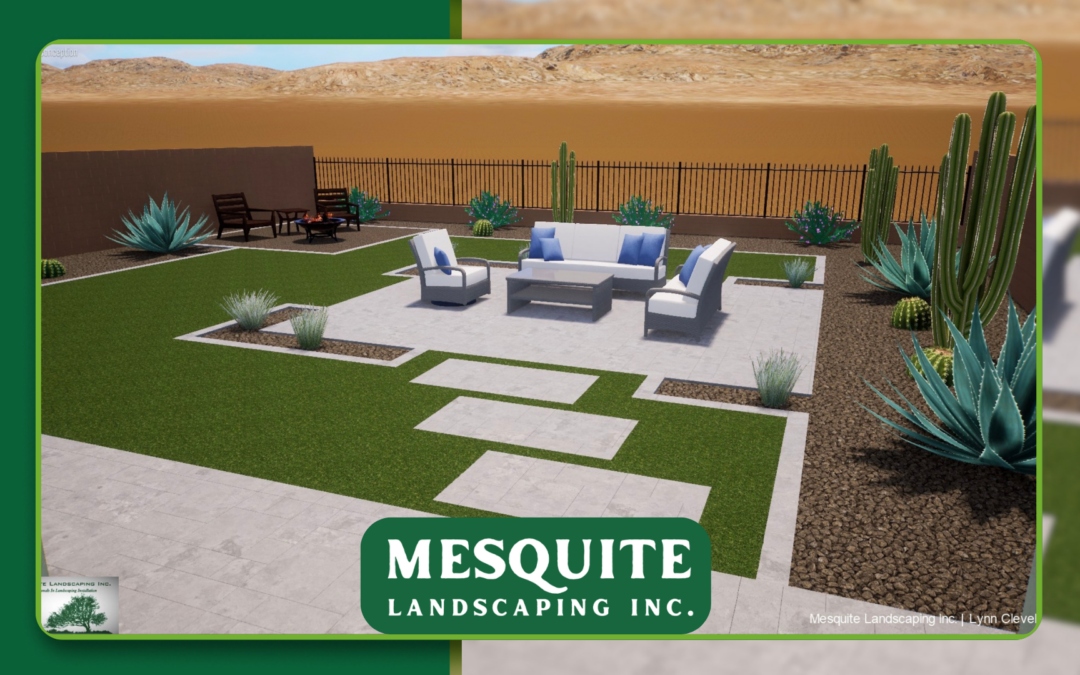
If you live in Arizona’s East Valley and your landscape still relies on thirsty turf and exotic palms, you’re paying for a yard that’s fighting the desert instead of working with it. Native plant landscaping flips that equation. It gives you a yard built from species that already thrive here-plants that need less water, attract more wildlife, and look genuinely at home under the Sonoran sun. This guide covers everything from plant selection and design styles to irrigation, installation, and common mistakes, so you can make informed decisions whether you’re converting a single garden bed or reimagining your entire property.
Key Takeaways
-
Native plant landscaping in Arizona can cut outdoor water use by 50% or more compared to traditional turf-heavy yards, while still delivering stylish, functional outdoor living spaces. Native plant landscapes can be both beautiful and functional.
-
Choosing the right plant for the right place helps protect local ecosystems and dramatically reduces maintenance in the East Valley’s extreme heat and drought cycles.
-
Mesquite Landscaping, Inc. specializes in blending native plants with hardscaping, artificial turf, and outdoor living features-backed by 3D design previews that show your yard at maturity, day and night.
-
You can start small. Replacing a strip of grass or a single bed with plants native to the Sonoran Desert is a practical first step that you can expand over time.
-
A free design consultation with Mesquite Landscaping can translate these ideas into a custom, build-ready plan tailored to your property, HOA rules, and lifestyle.
What Is Native Plant Landscaping?
A native plant is a species that evolved naturally in a specific region and was present before European colonization-roughly before 1900 in Arizona. Think palo verde trees, velvet mesquite, saguaro cacti, creosote bush, and the wildflowers that carpet the desert floor after winter rains. These aren’t just “drought-tolerant” imports from another continent; they are plants native to central and southern Arizona that co-evolved with our soils, rainfall patterns, insects, and wildlife over thousands of years.
Native plant landscaping means designing your yard around these species as the backbone, rather than relying on high-water, non native species like fescue turf, queen palms, and hibiscus that demand constant irrigation, fertilizer, and attention just to survive an East Valley summer. The Sonoran Desert is one of North America’s most biodiverse deserts, supporting roughly 2,000 plant species and over 350 bird species. When you landscape with natives, you’re tapping into that natural resilience instead of fighting it.
The benefits are immediate and compounding: less water, fewer chemicals, more wildlife, and better long-term durability when temperatures push past 110°F. At Mesquite Landscaping, we use native and desert-adapted plants as the foundation, then layer in hardscaping, lighting, and outdoor living structures to create spaces that perform year-round.
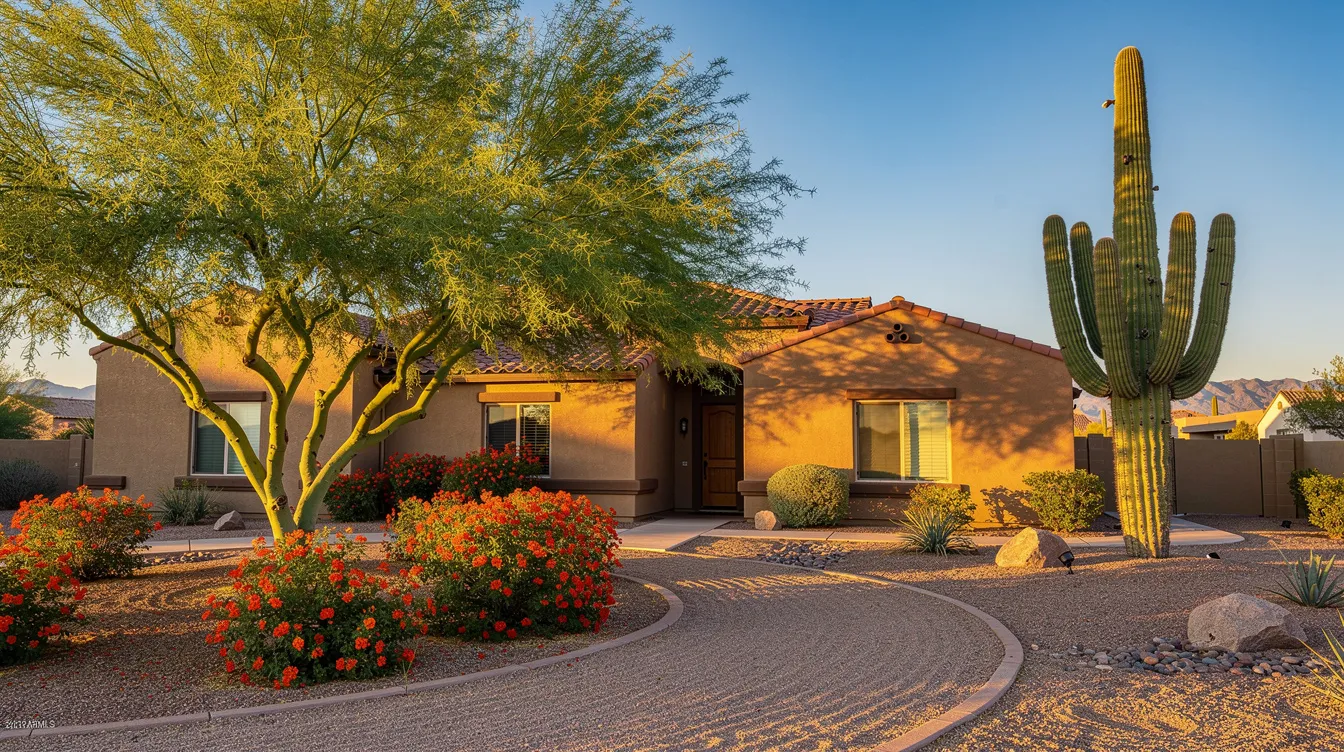
Why Use Native Plants in Your Arizona Yard?
The case for natives goes well beyond aesthetics. Here are the measurable reasons why Arizona homeowners are making the switch:
-
Water savings: Outdoor landscaping accounts for up to 70% of residential potable water use in Arizona. Native plants have deep root systems for drought tolerance, pulling moisture from far below the surface. A University of Arizona Extension study found that replacing Bermuda lawn with xeriscape native landscaping can drop irrigation needs from over 55 inches per year to under 18. That’s a reduction of roughly two-thirds. Native plants require less water and fertilizer than non-natives, and planting native species reduces the need for fertilizers and irrigation over the long term.
-
Lower maintenance: When you select plants that are adapted to local soils and climates, you eliminate the cycle of mowing, overseeding, and chemical treatments. Hardy flowering plants like desert marigold and penstemon tolerate heat and poor soils without the fuss. Landscaping with native plants conserves resources and provides diverse habitats while reducing your weekend workload. Native plants require little or no extra fertilizer or irrigation once their roots establish.
-
Wildlife habitat: Native gardens provide nectar, seeds, and shelter for hummingbirds, monarch and queen butterflies, cactus wrens, and native bees. The Xerces Society’s Sonoran Desert plant list details which specific plants serve as larval hosts and specialist pollen sources. A yard filled with non-native ornamentals simply cannot replicate this web of ecological relationships. Native plants provide food and habitat for pollinators, and native plants can increase biodiversity in landscaping.
-
Soil health and erosion control: Native bunchgrasses and groundcovers stabilize decomposed granite and wash areas-critical on sloped lots in Mesa and Gold Canyon where monsoon rains can move tons of soil in minutes. Using native plants can stabilize soil and prevent erosion, especially when paired with rain gardens that help manage stormwater effectively.
-
Climate resilience: Species that already survived the 2020–2025 heat waves and prolonged drought don’t need you to prop them up with extra inputs. Planting natives adapted to Arizona’s bimodal rainfall pattern helps protect landscapes from future extremes rather than gambling on imports that may not survive the next record summer.
Organizations including NC State Extension, the Xerces Society, and local groups like Desert Botanical Garden and the Arizona Native Plant Society all support native-plant-first approaches as both ecologically sound and practically superior for homeowners.
Understanding “Right Plant, Right Place” in the Sonoran Desert
The phrase “right plant, right place” is the single most important design principle in desert landscaping. It means matching every species to the specific microclimate where it will grow-considering sun exposure, soil drainage, heat reflection, and water flow. Get this wrong, and even the toughest native will struggle. Get it right, and your yard practically takes care of itself.
East Valley yards contain dramatically different microclimates within a single property. A west-facing block wall can radiate enough afternoon heat to cook tender roots. The north side of a home stays cooler and shadier for most of the day. Low spots near downspouts collect runoff during monsoons, while mounded beds drain fast. Plant species should match local soil and light conditions to avoid stress, disease, and wasted water.
Here are a few pairing examples that work in practice:
|
Microclimate |
Best Plant Choices |
Why It Works |
|---|---|---|
|
South/west full sun, reflected heat |
Agave, barrel cactus, ocotillo, red yucca |
These species evolved under intense solar exposure and radiated heat |
|
North/east partial shade |
Desert fern, certain milkweeds, fairy duster |
Cooler conditions prevent leaf scorch and reduce water loss |
|
Well-drained mounded beds |
Brittlebush, desert globemallow, chuparosa |
Fast drainage prevents root rot in shrubs adapted to sandy soils |
|
Low-lying swales or runoff zones |
Desert willow, blue palo verde |
These trees tolerate occasional standing moisture after storms |
Native plants are adapted to local soils and climates, but only when you place them in the part of your yard that mirrors their natural growing conditions. At Mesquite Landscaping, our 3D design and site analysis process maps sun paths, shade patterns, and water flow so every plant goes in the precise spot where it will thrive.
Key Native Plant Types for Arizona Home Landscapes
Think of this section as your plant palette-a curated set of species native to or naturally occurring in the Sonoran Desert, organized by type so you can start building a mental picture of your future yard. Researching local species guides effective native plant selection, so use this as a starting point and verify availability at a reputable nursery that specializes in desert-adapted stock. Avoid wild-collected specimens; always choose nursery-grown plants for ethical and health reasons.
Trees
-
Velvet mesquite (Prosopis velutina): native legume, yellow spring bloom, excellent canopy shade, deep roots, strong wildlife value
-
Blue palo verde (Parkinsonia florida): green photosynthesizing bark, smaller canopy, works near structures
-
Desert ironwood (Olneya tesota): slow-growing specimen tree, dense shade, supports nearly 150 bird species
Shrubs
-
Yellow bells (Tecoma stans): vibrant orange tubular flowers that bloom from summer into fall, attracts hummingbirds
-
Chuparosa (Justicia californica): red tubular flowers, extreme heat and drought tolerance, minimal water
-
Fairy duster (Calliandra californica): mounding pink filaments, tolerates light shade, moderate size
Flowering Plants
-
Desert globemallow (Sphaeralcea ambigua): bright orange-apricot blooms, long flowering period
-
Penstemon (Penstemon palmeri): late spring tubular flowers for bees and hummingbirds
-
Blackfoot daisy (Melampodium leucanthum): low, mounding white flowers, blooms spring through fall
Cacti and Succulents
-
Saguaro (Carnegiea gigantea): iconic vertical structure, wildlife nesting, slow grower
-
Ocotillo (Fouquieria splendens): dramatic vertical accent, brilliant red flowers after rain
-
Desert spoon (Dasylirion wheeleri): compact rosette, low litter, architectural
Native Grasses and Groundcovers
-
Deergrass (Muhlenbergia rigens): tall clumping grass, low litter, slow growth
-
Alkali sacaton (Sporobolus airoides): medium height, good for mass plantings
-
Purple threeawn (Aristida purpurea): fine texture, seasonal interest, naturalistic beds
For busy homeowners, lean toward compact, slow-growing, low-litter species like desert spoon, yellow bells, and deergrass. For larger properties or wilder aesthetics, let ocotillo, ironwood, large agaves, and drifts of wildflowers take center stage.
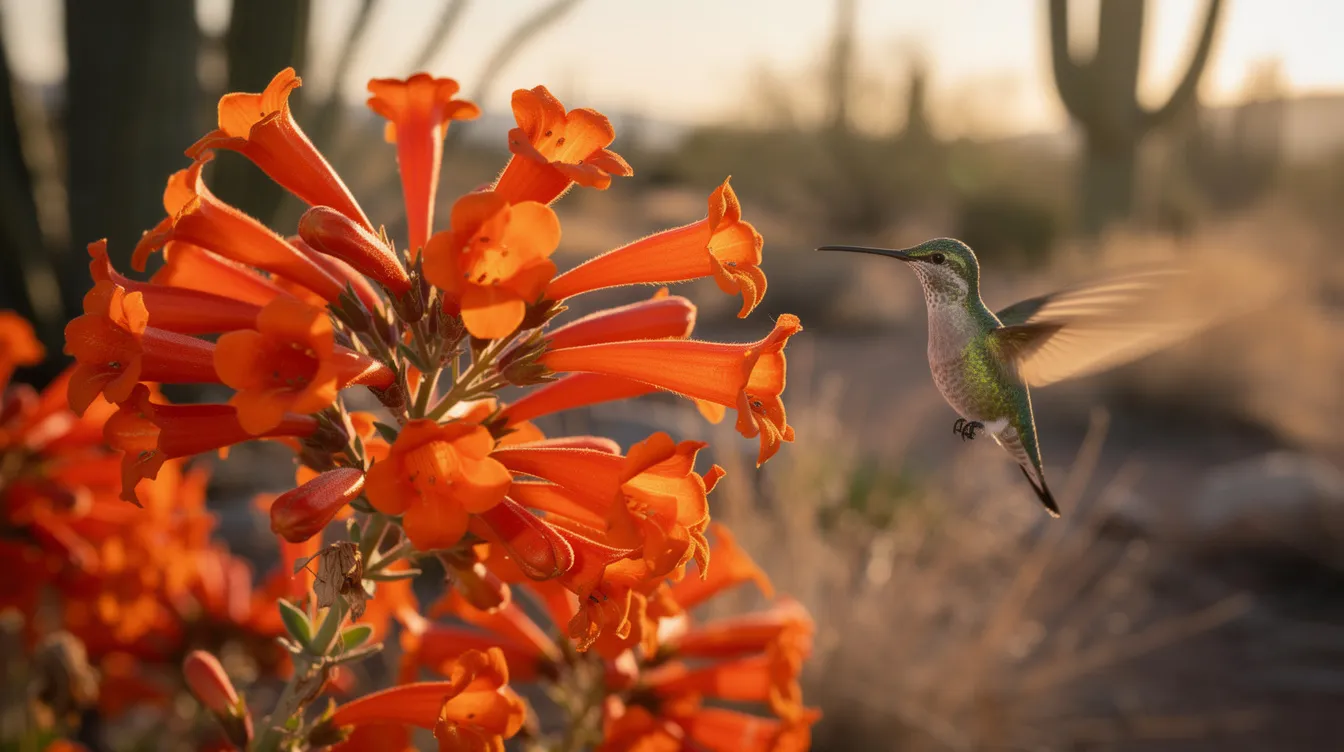
Flowering Native Plants for Color Year-Round
One of the biggest misconceptions about native plant landscaping is that it means giving up color. The opposite is true-diverse native plants provide food sources throughout the year and keep something in bloom almost every month when you plan strategically.
Spring (March–May): Penstemons, desert globemallow, blackfoot daisy, and desert chia produce waves of color while winter soil moisture lingers. Wildflowers like spectaclepod and desert chia can carpet open ground in wet years.
Summer and monsoon (July–September): Yellow bells and chuparosa carry the bloom through the harshest heat. Turpentine bush and various buckwheats respond to monsoon rain with fresh growth and flowers. These are the workhorses that keep your garden beds alive with color when everything else bakes.
Fall and winter (October–February): Red yucca, chuparosa, and wolfberry provide nectar for overwintering hummingbirds and insects. Brittlebush may produce a second flush of yellow blooms. Some palo verde trees flower in late fall after unusual rain events.
Using a mix of bloom times and flower shapes-tubular reds for hummingbirds, flat daisies for bees, small clustered flowers for butterflies and moths-supports a wider range of pollinators across different times of year. Diverse native plants ensure year-round food sources for wildlife, and a simple color palette of warm oranges and yellows accented with purples keeps the design feeling intentional rather than random.
Mesquite Landscaping builds planting plans that map bloom succession so your yard has visual interest in every season-not just spring.
Designing Native Gardens that Fit Your Style
Native plant landscaping is not limited to a single wild or messy aesthetic. You can create a yard that looks clean, modern, rustic, or lush-it all depends on layout, repetition, and how you frame the plants.
Modern and structured: Geometric beds filled with repeated masses of deergrass and whale’s tongue agave, set against decomposed granite or fine gravel, produce a minimalist look. Artificial turf panels or polished pavers add contrast. Planting in groups enhances visual impact and benefits pollinators while keeping the design crisp. This style works especially well in compact Gilbert and Chandler front yards.
Naturalistic or “desert meadow”: Drifts of wildflowers and native grasses flow around meandering decomposed granite paths and boulders. This approach suits larger backyards in Queen Creek or San Tan Valley where you have room for plants to spread. Layering plants-low groundcovers in front, mid-height shrubs in the middle, and trees in the back-can create a visually rich landscape that mimics natural desert structure.
Family-friendly hybrid: Define zones with purpose. A paver patio and pergola anchor the entertaining area. An artificial turf play area gives kids and pets room to run. Native beds fill the perimeter and planters, using soft, non-spiny species near high-traffic zones and reserving cacti for the edges. This is the approach most East Valley families land on.
Mesquite Landscaping uses 3D visualization to show homeowners how their preferred style looks with native plants before any ground is broken-at maturity, in daylight, and under landscape lighting at night.
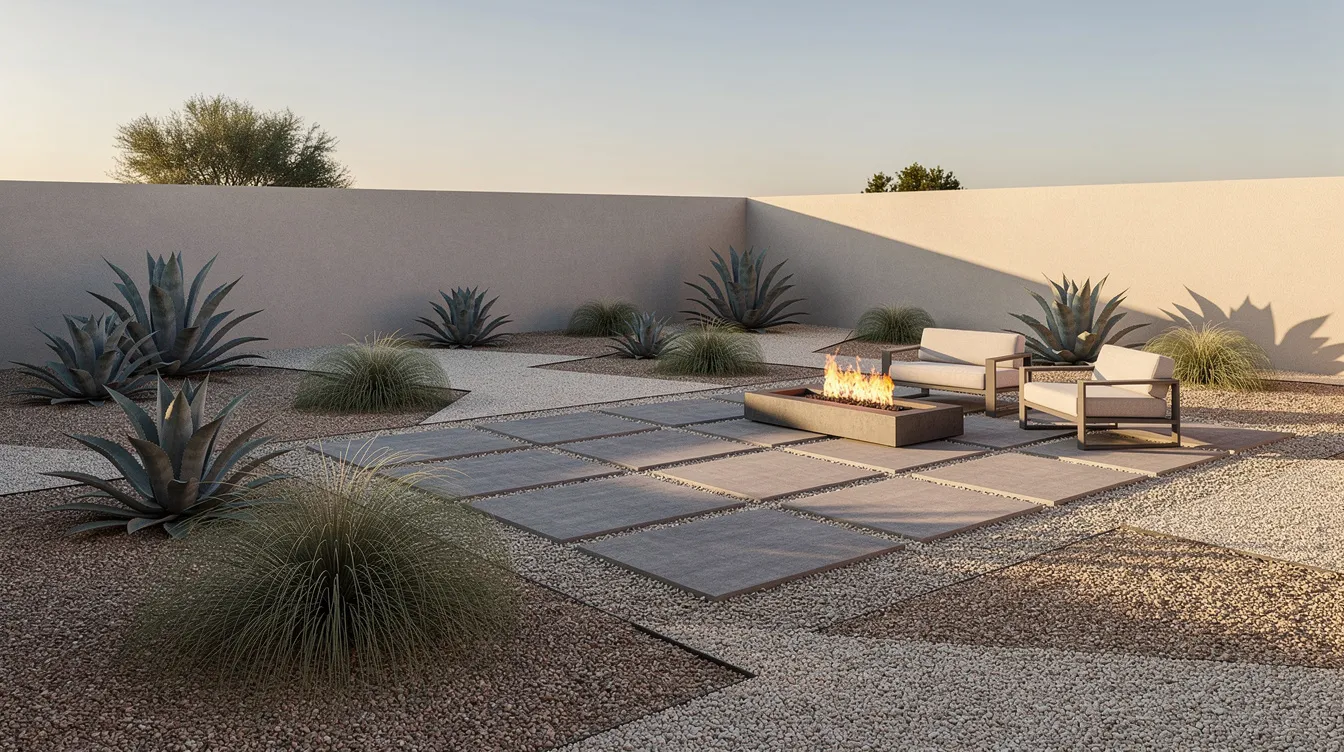
Blending Native Plants with Hardscaping and Outdoor Living Features
Hardscape elements-patios, walkways, seat walls, outdoor kitchens, fire pits, and pergolas-provide the structural framework of your yard. Native plantings soften those edges, add seasonal color, and draw pollinators into the space without overwhelming the architecture.
Paver patios and seat walls gain warmth when bordered by flowering plants native to Arizona like desert marigold and fairy duster planted in pockets or along edges. Around outdoor kitchens and BBQ islands, low-growing aromatic natives or desert-adapted herbs handle reflected heat while adding texture. Pergolas and shade structures create microclimates that allow more shade-tolerant native plants to grow where open sun would be too harsh-expanding your palette and your comfort.
Because Mesquite Landscaping is a design-build contractor, the same team plans both softscape and hardscape. That alignment means plant choices, soil prep, drainage, and irrigation all work together from day one rather than being bolted on after the fact.
Artificial Turf, Native Plants, and Water-Wise Design
Artificial turf is not a native plant-but it can play a smart supporting role. In the East Valley, a common layout pairs a central artificial turf lawn for play or pets with surrounding beds of native shrubs, cacti, and flowering plants set in decorative rock or mulch.
The design details matter. Proper edging prevents turf root intrusion. Grading directs runoff toward native beds rather than pooling under the turf. Drip irrigation zones are kept separate so native species get only the water they need. Replacing a traditional lawn with artificial turf plus native planting beds can dramatically reduce irrigation demand and eliminate fertilizer use entirely, which helps protect regional water supplies.
Many homeowners association guidelines in Gilbert, Chandler, and surrounding communities accept artificial turf when it is limited in area and paired with a defined plant palette. Mesquite Landscaping designs turf-plus-native combinations that look natural, drain well, and meet HOA requirements.
Creating Wildlife Habitat with Native Plant Landscaping
Your backyard garden doesn’t have to be large to function as meaningful wildlife habitat. Even a compact yard can support birds, butterflies, bees, and other wildlife when it provides the four essentials: food, water, shelter, and nesting opportunities.
A diverse mix of plants provides habitat for various wildlife. Keystone plants-species like velvet mesquite, desert milkweed, and creosote bush that support an outsized number of other organisms-are essential for supporting local wildlife. Desert milkweed serves as a larval host for monarch and queen butterflies. Chuparosa and red yucca feed hummingbirds through fall and winter. Native grasses produce seeds for finches and sparrows, and mesquite trees offer nesting cavities and canopy cover for dozens of bird species.
Designing with layers enhances habitat complexity for wildlife: tall trees for canopy-nesting birds, mid-level shrubs for shelter and foraging, and ground-level grasses and wildflowers for insects, lizards, and ground-nesting bees. Using native plants helps protect local ecosystems and wildlife in ways that ornamental imports simply cannot. Native plants support local ecosystems and wildlife because they evolved alongside the creatures that depend on them.
Simple upgrades make a big difference: add a shallow birdbath with a small recirculating pump surrounded by native flowering plants for a focal-point wildlife station. Leave some natural leaf litter and fallen branches-they serve as habitat for beneficial insects and other wildlife that keep pest populations in check.
For more ideas on turning your yard into a habitat-rich space, explore how other East Valley homeowners have layered natives into their outdoor designs.
Water-Efficient Irrigation for Native Gardens
Even drought-tolerant native plants need proper watering during their establishment phase-typically the first one to two years in Arizona’s climate. The goal is to encourage deep root growth so plants can eventually sustain themselves with minimal supplemental water.
Best practices for native garden irrigation include:
-
Low-volume drip emitters sized to each plant’s needs, with hydrozoned groupings so species with similar water requirements share the same valve
-
Smart controllers and soil moisture sensors that adjust schedules based on real-time weather, reducing waste and protecting plant health
-
Mulch applied 2–6 inches deep for moisture retention-lighter-colored rock or organic mulch suppresses evaporation and keeps roots cooler
-
Basins and swales that capture monsoon rainfall and direct it to plant roots, reducing reliance on potable water
Integrating water-efficient landscaping features promotes sustainability across your entire property. Once established, many native species can be weaned off frequent irrigation entirely-some desert shrubs and trees may only need deep watering once every two to three weeks in summer, compared to every two to three days for traditional turf. Using rain gardens and broader water conservation landscaping strategies in Arizona helps manage stormwater effectively and gives plants a free drink after every storm.
Mesquite Landscaping designs and installs complete irrigation systems tailored to native plant groupings, hardscape zones, and artificial turf areas-so nothing gets too much or too little water.
Planning and Installing a Native Plant Landscape Step by Step
Here’s what the process looks like from start to finish:
-
Site assessment: Map sun exposure, shade, soil type, slope, drainage, and existing native vegetation worth preserving. Check HOA rules and local water-use regulations-Phoenix AMA, for example, may require that 70% of landscapable area use low-water plants.
-
Concept plan: Define zones-entertainment, play, wildlife, utility-and rough out hardscape and planting bed locations.
-
Plant palette selection: Choose native species for each zone based on water use, sun and shade exposure, and growth habit.
-
Hardscape planning: Position paths, patios, walls, and pergolas to support drainage and create microclimates.
-
3D visualization: Model mature plant sizes, shadow patterns, nighttime lighting, and hardscape integration so you see the result before installation.
-
Installation: Remove existing turf or gravel, prepare soil, install irrigation, plant, and apply mulch or decorative rock.
-
Follow-up care: Adjust watering schedules, control weeds, and monitor plant health through the first full year of seasons.
A professional design-build contractor like Mesquite Landscaping saves time and prevents costly mistakes by coordinating design, construction, and irrigation under one team. Their Arizona landscape design services in Gilbert, Chandler, and surrounding areas cover everything from initial concepts to long-term functionality. For homeowners who want to DIY parts of the project, starting with a single bed conversion is a smart way to dig in and learn how natives behave through Arizona’s seasons before committing the entire yard.
Bring photos, measurements, and any HOA guidelines to your consultation-it helps the design team propose native plant solutions specific to your property faster.
Maintaining Native Plant Landscapes in Arizona
Native gardens are not “no-maintenance.” They are low-maintenance-and there’s an important difference. Native plants generally require less care than non-native species, but seasonal attention keeps your yard looking sharp and your plants healthy.
Year one is the most labor-intensive: more frequent watering, weed control, and monitoring as roots establish. Expect some volunteer seedlings from nearby wild areas-remove them where you don’t want them.
Years two and three shift toward light seasonal tasks:
-
Check drip emitters for clogging or damage each season
-
Refresh rock or mulch as needed
-
Prune shrubs selectively after bloom to maintain their natural form and flowering structure-avoid shearing natives into “green boxes”
-
Use organic fertilizers sparingly for better native plant growth; most established natives need no fertilizer at all
-
Monitor for signs of overwatering (leggy growth, yellowing)
Native plants can thrive with minimal maintenance once established. Landscaping with native plants reduces maintenance needs year after year as the root systems deepen and the plant canopy fills in. Mesquite Landscaping can provide maintenance guidance after installation and recommend seasonal schedules tailored to your plant palette, along with expert garden design and planting beds in San Tan Valley and nearby communities.
Common Mistakes to Avoid with Native Plant Landscaping
Even well-intentioned homeowners make mistakes that lead to disappointing results or higher costs. Here are the most common pitfalls:
-
Choosing non-native “look-alikes”: A drought-tolerant plant from South Africa may survive, but it won’t support biodiversity the way a true Sonoran native will. Avoiding invasive species is crucial for protecting local ecosystems.
-
Overwatering established natives: This is the number-one killer. Too much water causes root rot, leggy growth, and disease-especially in species like brittlebush and globemallow that evolved in dry ground.
-
Crowding plants too closely: Many natives are slow growers that eventually need significant space. A mesquite sapling three feet from a block wall in Chandler will produce root and stucco conflicts within five to seven years.
-
Ignoring mature size: That adorable one-gallon desert ironwood will eventually spread a 30-foot canopy. Plan accordingly.
-
Using incompatible rock or mulch: Dark rock mulches absorb and radiate heat excessively. Mulch piled too deep can block water infiltration to roots.
-
Impulse buying from big-box stores: Plants may not be the correct ecotype, may be wild-collected, or may not be Sonoran natives at all. Buy from a reputable nursery with knowledge of regional species.
A clear design and 3D preview from Mesquite Landscaping greatly reduces these risks before any plant or paver goes in the ground.
How Mesquite Landscaping, Inc. Designs Native-Focused Outdoor Living Spaces
At Mesquite Landscaping, we’ve spent years refining a process that brings native plant landscaping together with hardscaping, lighting, and outdoor features into cohesive, buildable designs for East Valley homes.
Our initial consultations in Gilbert, Mesa, Queen Creek, Chandler, San Tan Valley, Gold Canyon, and surrounding communities include evaluating sun exposure, existing plants worth preserving, homeowners association rules, soil conditions, and homeowner goals. Through our broader Arizona landscape design services and a dedicated customer care approach in Queen Creek and the East Valley, we dig into the details that determine which specific plants will succeed on your property-not just in “the Phoenix area” generically.
We produce 3D landscape design videos that show daytime and nighttime views, including how native plants look at maturity, how shadows fall across patios, and how landscape lighting transforms the space after dark. You see the finished result before a single shovel hits the dirt, backed by the expertise of Mesquite Landscaping’s professional design team.
Our design-build model means the same team that selects your plant palette also installs your patios, walkways, outdoor kitchens, fire pits, pergolas, artificial turf, irrigation, and water features. With best-in-class landscape designers who render, build, and install as one team, there’s no handoff between a designer who doesn’t build and a builder who didn’t design. Everything-plant choices, soil prep, drainage, and irrigation-is aligned from the start.
Real-World Native Landscaping Ideas for East Valley Homes
Here are three realistic scenarios showing how different homeowners might use native plant landscaping in Arizona’s East Valley, where expert landscaping and outdoor design in the Southeast Valley can tailor each project to site conditions and lifestyle:
Example 1 – Compact Gilbert front yard: A homeowner removes 400 square feet of Bermuda turf and replaces it with a young velvet mesquite for shade, drifts of desert marigold and fairy duster for spring and summer color, three boulders for structure, and a paver walkway. Drip irrigation runs on a smart controller. The design saves an estimated 14,000+ gallons of water per year and draws hummingbirds, bees, and butterflies right up to the front door.
Example 2 – Queen Creek family backyard: A young family keeps a central artificial turf play area for their kids and dogs, flanked by native garden beds filled with yellow bells, red yucca, alkali sacaton, and desert spoon. A pergola shades a built-in outdoor kitchen, and a gas fire pit anchors the far end. The native beds need watering only every 10–14 days once established, and the design meets the neighborhood HOA standards with clean bed edges and consistent decorative rock.
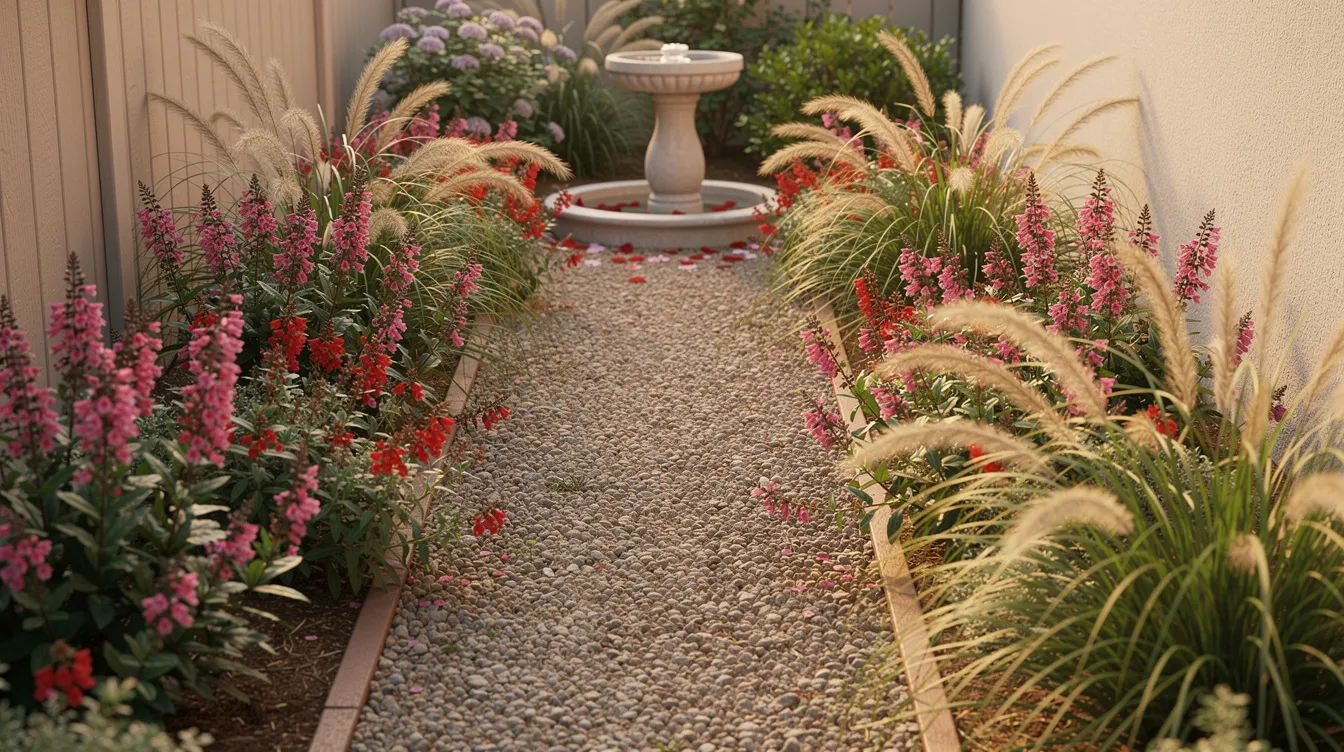
Example 3 – Mesa side-yard pollinator corridor: A narrow, underused side yard becomes a pollinator pathway with native milkweed, penstemons, deergrass, and desert globemallow planted along a decomposed granite path. A small recirculating birdbath provides water. The corridor connects the front and back yards ecologically, supporting more wildlife across the entire property. The homeowner’s neighbors on both sides notice increased bird activity within the first season.
Each scenario helps protect water resources, supports wildlife habitat, and turns previously neglected space into daily outdoor living enjoyment, similar to the transformations showcased in our landscape project gallery and customer reviews.
How to Get Started: Simple Native Plant Projects You Can Do This Season
Starting small is recommended for establishing native gardens. You don’t need to overhaul your entire yard at once. Here are beginner-friendly projects you can tackle within a single season:
-
Replace the driveway strip: Remove the narrow turf strip between your driveway and the sidewalk. Plant two or three native shrubs (fairy duster, globemallow, blackfoot daisy), install a basic drip line, and top with decomposed granite. This small change can save hundreds of gallons of water per year.
-
Convert a corner bed: Pick one garden bed that currently holds struggling annuals or bare rock. Add three to five native flowering plants in a simple grouping, apply mulch 2–6 inches deep for moisture retention, and connect to an existing drip zone.
-
Plant a shade tree: A single palo verde or mesquite planted in the right spot can reduce solar load on your home, produce spring bloom, and shelter birds for decades. Dig the hole wide, water deeply during establishment, and let the roots do the rest.
-
Add a pollinator patch: Even a four-by-eight-foot area planted with chuparosa, penstemon, and desert milkweed creates a meaningful food station for bees, butterflies, and hummingbirds.
-
Swap a single species for a native alternative: If you have an ornamental that constantly struggles, research a native equivalent that fills the same visual role. A single species swap is a low-risk way to test native plants in your specific growing conditions.
Each project teaches you how natives behave through Arizona’s seasons-monsoon response, winter dormancy, spring bloom-before you commit the entire yard. When you’re ready to scale up, Mesquite Landscaping can help expand these starter projects into a full master plan that increases yard enjoyment and home value through professional landscape design.
Schedule Your Native Landscape Design Consultation
Ready to turn your East Valley yard into a water-smart, wildlife-friendly landscape that actually looks the way you want it to? Mesquite Landscaping, Inc. offers free on-site consultations and 3D design previews for homeowners in Gilbert, Mesa, Chandler, Queen Creek, San Tan Valley, Gold Canyon, and nearby communities.
Here’s what you gain:
-
Lower water bills and reduced maintenance costs
-
More comfortable outdoor living spaces with patios, shade structures, and fire features
-
Added curb appeal that fits your neighborhood and HOA guidelines
-
A yard that supports local birds, butterflies, pollinators, and the broader Sonoran Desert ecosystem
Before your consult, gather a few photos of your yard, rough property measurements, and any HOA landscape guidelines. That small bit of prep helps our design team propose native plant solutions specific to your property faster.
Your yard can be more than gravel and a few rocks. It can be a living, native plant landscape that feels like a natural extension of your home-and Mesquite Landscaping can help you build it.
Contact Mesquite Landscaping today to schedule your free consultation. You can also reach out to our landscape design team in Arizona to discuss project ideas, timelines, and maintenance needs.
FAQ
How much does a native plant landscape cost compared to a traditional yard?
A native plant installation in the Phoenix metro area typically runs between $4.50 and $8.00 per square foot for plants, soil prep, and irrigation-roughly comparable to a standard desert landscape with gravel and a limited number of shrubs. Adding hardscaping, artificial turf, outdoor kitchens, or specimen trees pushes the range to $15–$25 per square foot. The upfront cost may be similar to or slightly above a traditional yard, but long-term water and maintenance savings often produce a payback within two-and-a-half to six years. Mesquite Landscaping provides detailed information in a formal proposal after the 3D design phase so you understand both installation and ongoing costs before committing.
When is the best time of year to plant native plants in the East Valley?
Fall-roughly October through November-and late winter to early spring-February through March-are the ideal windows. Planting during these cooler periods gives roots time to establish before summer heat arrives. Some hardy native species can be installed nearly year-round with proper irrigation and temporary shade, but the peak of summer (June and early July before monsoons) is the most challenging time for new plantings. Mesquite Landscaping schedules planting windows to maximize survival and root development based on the specific species in your plan.
Can I use native plants if my HOA has strict rules?
Yes. Many homeowners association guidelines in Gilbert, Chandler, Mesa, and surrounding communities already allow or actively encourage water-wise, desert-friendly landscaping. The key is presenting a clean, structured design-defined garden beds, consistent decorative rock, intentional plant groupings-rather than an unstructured “wild meadow” look. Arizona’s Department of Water Resources maintains Low Water Use and Drought Tolerant Plant Lists that serve as reference points for both municipalities and HOAs. Mesquite Landscaping is experienced in working within HOA frameworks and can produce plans and plant lists formatted for approval review.
Are native plant landscapes safe for kids and pets?
They can be, with thoughtful plant placement. Keep especially spiny cacti, agaves, and other structures with sharp edges in perimeter beds away from play zones, walkways, and paths where children and pets spend the most time. Use kid- and pet-friendly natives-soft grasses like deergrass, non-toxic flowering plants like blackfoot daisy-near high-traffic areas. Mesquite Landscaping routinely designs zoned layouts that separate sensitive users from spikier or more fragile species while keeping the overall yard largely native.
Do native plants attract pests or snakes?
Any healthy landscape-native or not-attracts wildlife. A well-designed native garden actually tends to be more balanced because it supports predators (birds, lizards, beneficial insects) that keep pests in control naturally. Arizona yards can host snakes regardless of plant choice, but thoughtful design reduces surprise encounters: keep pathways open and well-lit, avoid dense hidden clutter near doors, and maintain clear sightlines. Nature finds its equilibrium more efficiently in a native ecosystem than in a stressed, chemical-dependent ornamental garden. Mesquite Landscaping factors sightlines, lighting, and plant placement into every design to maintain both wildlife habitat and homeowner comfort.
