
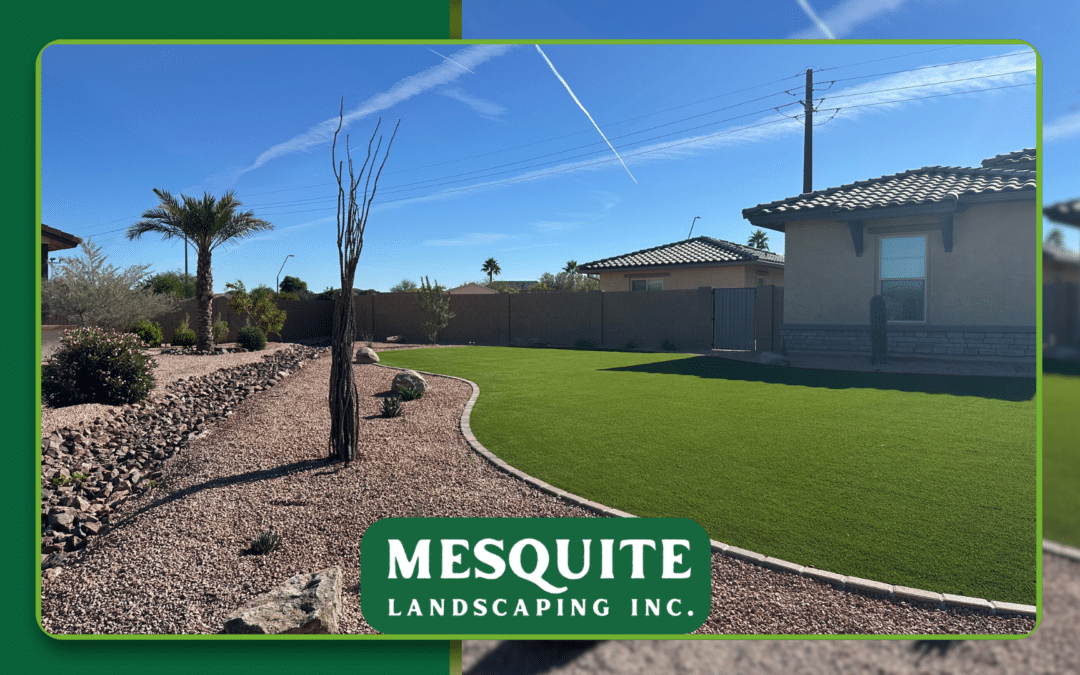
Invest in Your Outdoor Living
-
Landscaping projects in 2026 typically range from $3,000 for basic refreshes to $40,000+ for complete backyard transformations, and financing allows homeowners to spread these costs into predictable monthly payments over 2–20 years.
-
Borrowers with a credit score from approximately 580 to 800+ can usually find some form of landscape financing, with the best interest rates reserved for scores above 700.
-
Popular landscape financing options include unsecured personal loans (fast funding, no collateral), home equity loans and HELOCs (lower rates, longer timelines), and contractor-arranged financing (convenient but requires comparison shopping).
-
Well-planned landscaping can increase your overall home’s value by roughly 5–15% and attract potential buyers faster, but overspending or over-customizing may limit resale appeal.
-
This article provides concrete numbers—typical costs, loan amounts, timelines, and payment scenarios—to help you choose the right financing path for your landscaping dreams.
-
This guide is for homeowners planning landscaping projects in 2026 who want to understand their financing options.
-
Understanding landscape financing helps you make informed decisions, avoid costly mistakes, and maximize your investment.
Introduction to Landscape Financing
Landscape financing refers to using loans or credit to fund outdoor projects like new lawns, patios, irrigation systems, outdoor kitchens, and lighting installations. Rather than depleting savings or waiting years to accumulate cash, homeowners can spread landscaping costs into manageable monthly loan payments while enjoying their improved outdoor space now.
Landscape financing allows homeowners to pay for their projects with monthly payments rather than a lump sum, and personal loans can be used to finance landscaping projects.
In the U.S. in 2026, typical full-yard projects run from about $3,000 for basic curb appeal refreshes to $40,000 or more for comprehensive backyard makeovers featuring hardscaping, structures, and professional lighting. Many homeowners simply don’t have this money available upfront, which is where financing options come into play—allowing repayment over 2 to 20 years depending on the product type.
This article covers residential landscaping for front and back yards, including plantings, hardscapes, irrigation, turf, fences, and outdoor living areas. The numbers and examples reflect current 2024–2026 U.S. market data, with interest rate ranges based on typical personal loan and home equity products available during this period.
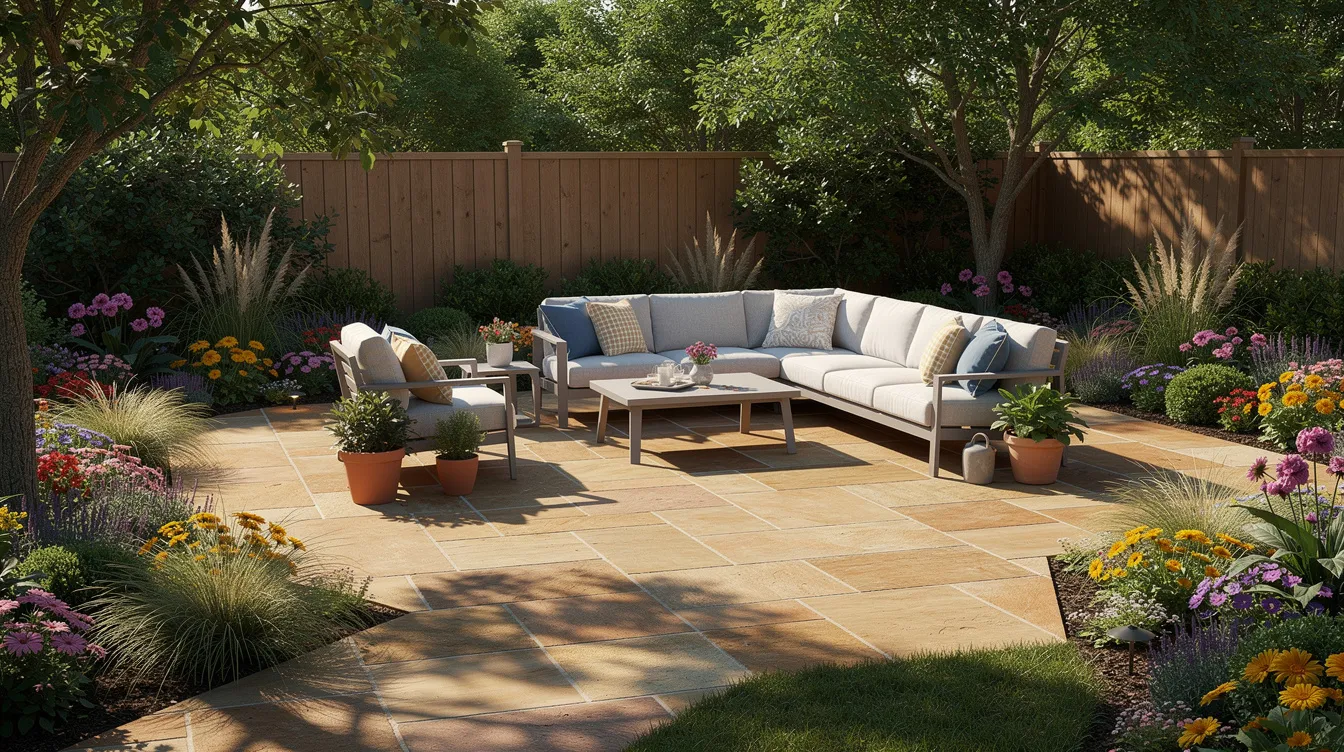
Typical Costs of Landscaping Projects in 2026
Before shopping for financing, understanding ballpark costs helps you determine how much you need to borrow. Landscaping cost varies significantly based on project scope, regional labor rates, and material choices.
National cost ranges for common projects:
-
Basic curb appeal refresh (mulch, shrubs, edging): $1,500–$5,000
-
Full front yard redesign (sod, beds, walkways): $4,000–$12,000
-
Backyard renovation without pool (patio, plantings, lighting): $8,000–$30,000
-
Complete outdoor living space with outdoor kitchen, fire pits, and pergola: $25,000–$75,000+
Pricing benchmarks:
-
Hourly labor: approximately $55–$110 per hour
-
Softscape installation: $4–$15 per square foot
-
Hardscape (pavers, stone): $10–$40+ per square foot
Regional variation matters considerably. Coastal metros like San Diego, Seattle, and Boston typically command 20–40% premiums due to higher transport and permitting costs, while Midwest and Southern markets often see more affordable pricing. In hot, arid regions like Arizona, low maintenance landscaping ideas for desert yards can also help control both installation and long-term maintenance costs.
|
Project Type |
Typical 2026 Cost |
Common Financing Tool |
|---|---|---|
|
Basic refresh |
$1,500–$5,000 |
Cash or credit card |
|
Front yard redesign |
$4,000–$12,000 |
Personal loan |
|
Backyard renovation |
$8,000–$30,000 |
Personal loan or HELOC |
|
Full outdoor living |
$25,000–$75,000+ |
Home equity loan or HELOC |
What Can Landscape Financing Cover?
Most unsecured home improvement or personal loans can be used flexibly for nearly any outdoor improvement. Secured loan products may specify “home improvement” purposes but typically don’t restrict exact items.
Common expenses that can be financed: Homeowners in dry climates may prioritize front yard landscaping upgrades in Arizona that boost curb appeal while conserving water.
-
Softscaping: sod, shrubs, trees, perennials ($500–$7,000 depending on yard size)
-
Hardscaping: patios, walkways, retaining walls, fire pits ($3,000–$25,000+)
-
Outdoor structures: pergolas, decks, gazebos, outdoor kitchens ($5,000–$60,000+) that may benefit from a new construction landscape design specialist in Gilbert, AZ
-
Irrigation and drainage: sprinkler systems, drip irrigation, French drains to manage water runoff ($1,000–$8,000), which are especially important in Arizona backyard landscaping ideas that focus on xeriscaping
-
Lighting and electrical: low-voltage LED path lights, uplighting, outdoor outlets ($800–$6,000)
-
Fencing and privacy screens: wood, vinyl, composite options ($2,500–$15,000)
Many lenders don’t require proof that every dollar went to landscaping, but you should still budget carefully and avoid using funds for unrelated expenses. Permit fees, design fees from landscape architects, and even DIY tool purchases can often be included in the financed loan amount, and it’s wise to review landscaping FAQs about design, installation, and maintenance so you know which costs to expect.
Main Types of Landscape Financing Options
Most homeowners in 2026 use one of four primary pathways: personal or home improvement loans, home equity products, contractor-arranged financing, or credit cards for smaller purchases, and some landscaping companies even offer flexible landscape financing to local homeowners to make larger projects more affordable.
These financing options differ based on collateral requirements, funding speed, and rate structures. Typical loan options range from $1,000 to $100,000, with repayment terms spanning 2–12 years for unsecured products and up to 20–30 years for equity-based financing. The following subsections break down each type with realistic APR ranges and example payments.
Unsecured Personal and Home-Improvement Loans
Unsecured loans don’t require collateral—your home isn’t at risk. Credit approval is based on your creditworthiness and income, with funds deposited typically within 1–7 business days after approval.
2024–2026 APR ranges by credit profile:
-
Strong credit (720+): 7%–13% APR
-
Fair credit (640–719): 11%–22% APR
-
Near-subprime (580–639): 18%–35% APR, with lower maximum loan amounts
Typical landscaping loan amounts range from $5,000 to $75,000, with some lenders offering a maximum loan amount up to $100,000 for highly qualified borrowers tackling a larger project. Common loan terms span 2–7 years, with some home improvement loans extending to 10–12 years for substantial projects.
Example calculation: A $25,000 loan at 9.99% APR over 10 years yields a monthly payment of approximately $330, with total repayment around $39,600.
Advantages:
-
Fast loan funding (often same-day to one week)
-
No lien on your home
-
Predictable fixed payments
-
Flexible use across landscaping services
Disadvantages:
-
Higher interest rates than secured options for top-tier borrowers
-
Strict debt-to-income requirements (typically under 40–45%)
-
Reduced limits for lower credit scores

Home Equity Loans and HELOCs
Home equity is calculated as your current market value minus your mortgage balance. Most banks in 2026 require at least 15–20% equity remaining after borrowing.
Key differences:
-
Home equity loan: Lump sum with fixed interest and fixed payments over 10–20 years
-
HELOC: Revolving line of credit with variable rate, featuring a 5–10 year draw period followed by repayment
Typical 2024–2026 rates:
-
Home equity loans: 6%–10% APR for good credit
-
HELOCs: Variable, often starting around prime + margin (8%–12%)
Example calculation: Financing a $40,000 backyard project with a 15-year home equity loan at 7% APR yields a monthly payment of approximately $360, with total repayment around $64,800.
Advantages:
-
Much lower interest rates than most personal loans for qualified borrowers
-
Large borrowing capacity ($25,000–$250,000+)
-
Interest may be tax-deductible for qualifying home improvements (consult a tax professional)
Disadvantages:
-
Closing costs and appraisal fees ($1,000–$5,000)
-
Slower timelines (3–6 weeks for the loan process)
-
Foreclosure risk if payments are missed
Home equity products work best for larger projects exceeding $30,000, such as full property redesigns or pool installations combined with landscaping.
Cash-Out Refinance for Landscaping
A cash-out refinance replaces your existing mortgage with a larger one, paying you the difference in cash. This approach makes sense when mortgage rates align with or fall below your current rate, or when consolidating other higher-interest debt simultaneously.
2024–2026 ranges: 30-year fixed cash-out refinance rates typically fall in the 6%–8% range for well-qualified borrowers.
Example scenario: A homeowner with a $300,000 home and $200,000 remaining mortgage might refinance to $240,000, extracting $40,000 for landscaping installation while adjusting their monthly payment based on the new rate and term.
Advantages:
-
Potentially lower blended interest rate versus a separate personal loan
-
Single combined payment
-
Long repayment timeline keeps monthly costs lower
Disadvantages:
-
Closing costs of several thousand dollars
-
Extends mortgage life
-
Ties relatively short-lived assets (like plantings) to a 30-year repayment period
Contractor and Dealer Financing
Many landscaping company partners offer financing at the point of sale through third-party lenders. These arrangements may include:
-
0% interest for 6–24 months if paid in full
-
5%–15% promotional APRs for multi-year terms
-
Deferred interest, where full interest applies retroactively if not paid by deadline
Compare contractor-arranged offers against direct offers from banks or online lenders. Contractor plans sometimes build additional fees into the project price, affecting your true cost.
Advantages: Convenient one-stop process, quick approvals, attractive promotions on large projects
Disadvantages: Limited lender choice, potentially higher long-term APR after promo periods, stricter project scopes
Using Credit Cards and Short-Term Financing
Credit cards and short-term financing work best for specific materials or smaller add-ons—not full-scale landscaping projects.
Suitable uses:
-
Patio furniture, grills, or outdoor heaters with 0% intro APR cards
-
Smaller phases like lighting upgrades or planting flowers in raised beds under $2,000–$5,000
Standard credit card APRs often exceed 20% in the mid-2020s. Before charging a significant landscaping invoice, calculate how long you’ll realistically take to pay it off and compare that cost to a fixed-rate personal loan. A credit card works well for quick purchases, but carrying large balances at a higher interest rate can significantly increase your total cost.
Landscape Financing for Different Credit Profiles
Borrowers across the credit spectrum—from 580 “fair” to 800+ “excellent”—can typically find some type of financing. However, loan terms vary depending on your credit profile.
Lenders typically evaluate:
-
FICO score
-
Debt-to-income ratio (targeting under 40–45%)
-
Employment and income stability
-
Recent derogatory marks (bankruptcies typically need 2+ years since discharge)
Financing Landscaping with Good to Excellent Credit (700+)
Borrowers with a credit score above 700 generally qualify for competitive personal loan rates in the 7%–13% APR range and home equity products near market lows.
Strategies for excellent credit borrowers:
-
Comparison-shop multiple lenders for total cost of borrowing
-
Look for flexibility on early payoff without prepayment penalties
-
Consider shorter terms (5 years instead of 7) to reduce total interest
-
Keep total landscaping debt below 15%–25% of annual household income
With approved credit in this range, you’ll see the advertised rates that lenders promote, giving you flexibility to choose between speed (personal loans) and low interest (equity products).
Financing Landscaping with Fair Credit (640–699)
Fair-credit borrowers can access personal loans, typically at mid-teens to low-20s APR ranges. The minimum credit score for most lenders falls around 640, though terms improve significantly above 680.
Improving your odds:
-
Pay down existing credit card balances before the credit check
-
Add a co-borrower with stronger credit
-
Seek prequalification offers using soft credit pulls
-
Consider a credit union, which may offer more flexible underwriting
Be realistic with project scope—phasing work (front yard this year, backyard next) keeps the loan amount manageable and payments comfortable.
Landscape Financing with Bad or Limited Credit (Under ~640)
Options exist below 640, but interest rates climb to 20%–35% APR with limited maximum loan amounts ($1,000–$25,000 depending on lender and income).
Strong recommendations:
-
Avoid payday loans or products with triple-digit APRs
-
Review credit reports for errors and dispute inaccuracies before applying
-
Save and phase work with a mix of cash and smaller financing
-
Focus on lower-cost DIY improvements while improving credit
Some credit unions in 2026 offer “payday alternative loans” or small-dollar home improvement options at more reasonable rates for established members, and homeowners in specific markets like Florence, AZ can also explore help from a local landscaping design service company that understands regional costs and financing considerations.
Step-by-Step: How to Finance a Landscape Project
Follow this practical checklist from initial concept through loan funding and landscaping installation, and consider working with experienced landscape designers who offer end-to-end services if you want professional guidance.
-
Define the project: List desired features—patio, lawn, lighting, irrigation systems, planting flowers—and prioritize must-haves versus nice-to-haves for your dream yard.
-
Get professional estimates: Obtain 2–3 written bids from licensed contractors with line-item costs and timelines. This establishes your landscaping budget with current 2026 pricing and gives you a chance to compare offers from top landscape design companies in Arizona.
-
Set a realistic budget: Target total landscaping investment at roughly 10%–15% of your home’s value for full property makeovers, less for basic upgrades. Avoid the temptation to borrow the maximum loan just because you qualify.
-
Check your credit and DTI: Pull a free credit report and calculate your debt-to-income ratio (total monthly debt payments divided by gross monthly income).
-
Compare financing options: Gather at least three prequalified offers before signing any loan agreement. Review the loan application process for each option.
-
Run payment scenarios:
Scenario
Loan Amount
Term
APR
Monthly Payment
Total Interest
Shorter term
$20,000
5 years
10%
~$425
~$5,500
Longer term
$20,000
10 years
10%
~$265
~$11,800
-
Apply and lock terms: Prepare documents (ID, proof of income, homeowner’s insurance, property tax bill) to speed credit approval.
-
Coordinate disbursement: Align funding dates with project milestones—design approval, hardscape installation, planting completion—so payments match completed work.
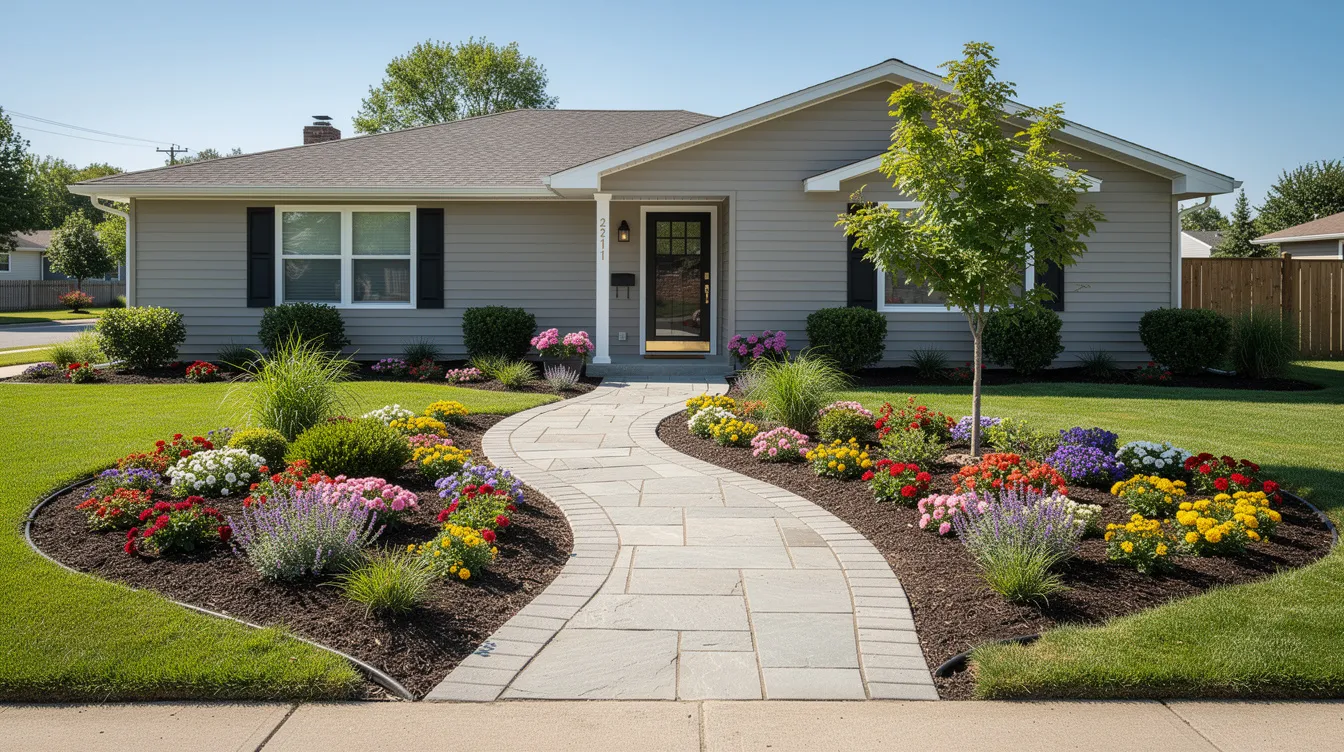
Maximizing ROI from Financed Landscaping
Financing increases the importance of designing for long-term value, not just short-term aesthetics. Well-planned landscaping can increase appraised home value by 5%–15% and shorten days on market, while highly personalized designs may limit buyer appeal.
Features that tend to offer good ROI:
-
Clean, healthy lawn or minimal maintenance groundcover
-
Defined planting beds with region-appropriate plants
-
Functional outdoor living areas matching the home’s style
-
Energy-efficient LED landscape lighting
-
Water-efficient irrigation systems
Avoid over-investing relative to neighborhood norms. Installing a $150,000 resort-style backyard in a subdivision with $20,000 landscapes won’t recoup your investment. Choose low-maintenance materials—composite decking, native plants, drip irrigation—to keep future upkeep manageable after loan payments join your monthly budget.
Document before-and-after photos, invoices, and design plans. Browsing a landscape project gallery with real-world transformations can also help you understand which upgrades tend to photograph and appraise well. This documentation helps demonstrate value to potential buyers or appraisers if you later sell.
Common Mistakes to Avoid When Financing Landscaping
A few avoidable errors cause most financing regrets. Understanding these pitfalls helps you cut costs and protect your investment.
Key mistakes:
-
Starting without a written, signed estimate and clear scope
-
Borrowing the maximum approved rather than what fits your landscaping budget
-
Ignoring total interest cost by choosing the longest possible term
-
Failing to check for early payoff penalties or hidden fees
-
Approving “change orders” mid-project that inflate costs 20–50%
-
Skipping contingency planning for surprises like drainage fixes
Build a 10%–15% contingency into your budget to handle unexpected issues—soil problems, permit changes, or other emergencies—without resorting to high-interest credit.
Read all loan disclosures carefully and request a written amortization schedule showing payments from the first month through payoff. Understanding your loan purpose and total cost prevents unpleasant surprises.
Frequently Asked Questions About Landscape Financing
These questions address common concerns with direct, practical answers.
How quickly can I get funding for a landscape project?
Unsecured personal or home improvement loans can fund in as little as 1–7 business days after approval. Home equity loans and HELOCs typically take 3–6 weeks due to appraisals and underwriting requirements. Contractor financing often provides same-day approval, though funds may align with scheduled project milestones.
If you’re planning a spring or early-summer project, begin the financing process during late winter (January–March) to avoid scheduling delays with your landscaping company.
Can I finance landscaping if I just bought my home?
New homeowners can often qualify for unsecured personal loans soon after closing, provided income and DTI are acceptable. Equity-based options may require at least 6–12 months of ownership with some built-up home equity, depending on lender policy.
Consider starting with a modest phase-one landscaping project and tackling bigger upgrades after building equity and establishing a stable payment history.
Is it better to pay cash or finance my landscaping?
Paying cash avoids interest and fees, but tying up all savings can leave too little for emergencies. Financing makes sense when the project meaningfully improves safety, usability, or property value—and when you can comfortably afford the monthly payment.
Compare three scenarios: all-cash, partial financing, and full financing. Choose the option that maintains a solid emergency fund while achieving your landscaping goals.
Can I roll landscaping costs into a renovation or construction loan?
For major remodels or new builds, some lenders allow landscaping costs in construction or renovation loans, subject to appraisals and documentation. Landscaping line items should be explicitly included in the contractor’s bid and appraiser’s scope rather than assumed. Limitations apply based on lender policies and loan type.
What happens if I sell my home before the landscape loan is paid off?
Unsecured personal loans remain your responsibility regardless of home ownership—you continue paying or may pay the balance from sale proceeds. A secured loan like a home equity loan or HELOC must be paid off at closing when the home sells.
If planning to sell within 2–5 years, weigh total interest cost against potential home value increase before committing to long-term landscape financing.
With the right landscape financing options and realistic budgeting, transforming your front yard or backyard becomes achievable without financial stress. Take time to compare offers, run your payment scenarios, and choose the option that fits both your property goals and monthly budget. Your dream yard is within reach—and the right financing approach helps you get there with confidence.
