

Understanding Hardscapes
This guide helps Queen Creek new-home owners understand what their hardscape estimate should include and how much common projects cost in 2026. An accurate estimate is the foundation of a successful landscaping or hardscaping project.
- Most paver patios in Queen Creek range from about $30–$42 per square foot installed, depending on materials and site conditions
- Accurate estimates start with precise square footage measurements, clear design scope (patio, retaining wall, artificial turf, outdoor kitchen, fire pits, water features), and a realistic timeline
- Hardscape cost calculators help homeowners estimate project costs quickly and allow users to input project dimensions and material types to receive tailored estimates—but on-site evaluations are needed for final pricing
- New home construction hardscapes should factor in grading, irrigation sleeves, future utilities, and HOA requirements right from the estimate stage
- Requesting at least three detailed estimates from reputable contractors is advisable for cost comparison
What Is a Hardscape Estimate and Why It Matters for New Queen Creek Homes
A hardscape estimate is the detailed breakdown of costs, materials, and labor for patios, retaining walls, walkways, artificial turf, outdoor kitchens, fire pits, and water features around your home. For brand-new homes in Queen Creek (especially 2024–2026 builds), this document serves as the roadmap for turning a bare dirt lot into a finished outdoor space.
What Should Be Included in a Hardscape Estimate?
A comprehensive scope should include every permanent feature such as patios, retaining walls, and walkways, along with specific phases required to build them. Your complete estimate should contain:
- Project description with square footage and linear footage
- Site preparation requirements and base materials
- Pavers or Techo Bloc–style products with specifications
- Drainage elements, labor costs, permits, and contingencies
- Timeline and payment schedule
Communication is key to ensuring clients know what they’re getting and how much they’re spending. Early, accurate estimates prevent change orders, delays, and budget shocks once construction starts. Note that lenders sometimes ask for hardscape estimates when buyers want to roll outdoor improvements into financing.
How to Measure Your Queen Creek Yard for Accurate Estimates
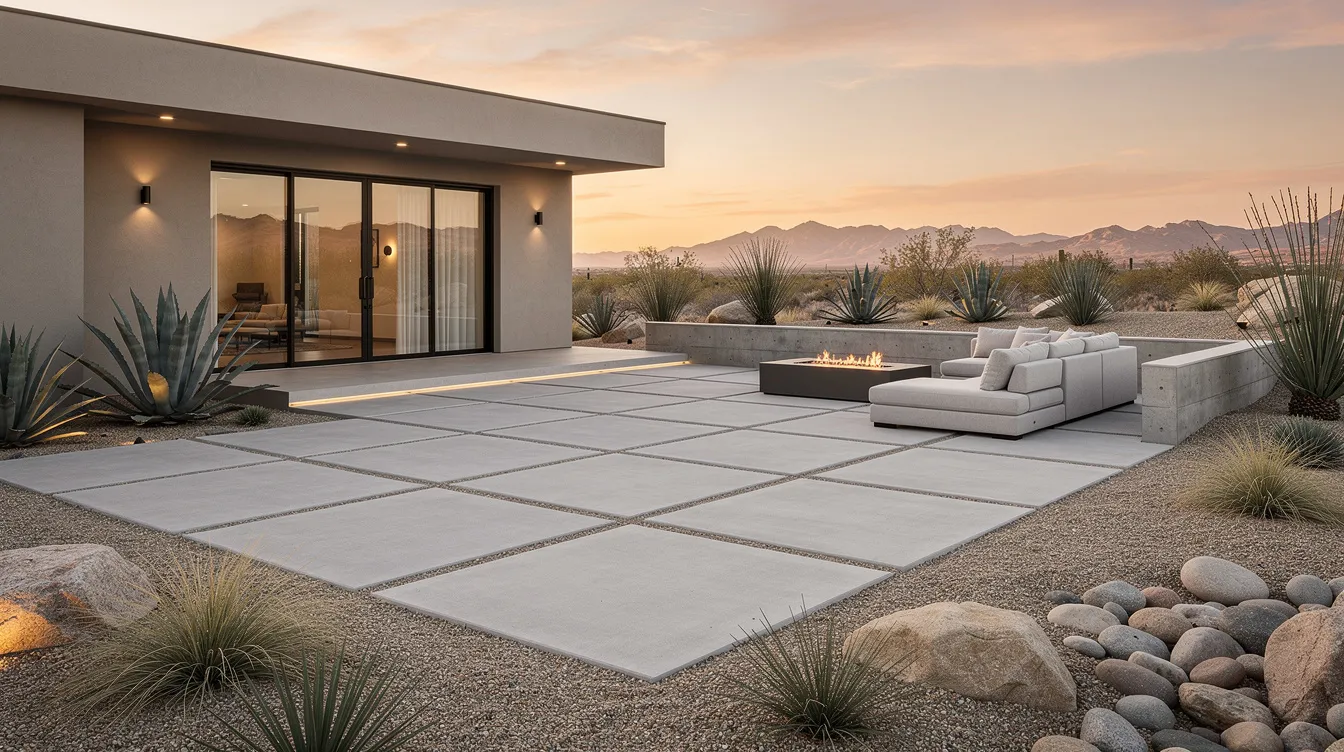
Accurate measurements are crucial for obtaining reliable estimates from hardscape cost calculators. Estimating the square footage of a project area is essential for determining material quantities.
Step-by-Step Measuring Process
- Sketch the Yard: Draw a simple layout of your new-home lot, marking the house, property lines, easements, and any builder-installed concrete or utilities.
- Measure Patios and Turf: For patios and artificial turf, calculate length times width in feet. For example, a 20 ft × 16 ft paver patio equals 320 square feet.
- Measure Walls and Steps: For retaining walls, seating walls, and steps, measure in linear feet—such as a 30-foot retaining wall along a sloped side yard. Note that height significantly affects material requirements and cost.
- Handle Irregular Shapes: For L-shaped patios or curved walkways, break them into simple rectangles or use an online square footage tool.
- Add a Waste Factor: Round up measurements to avoid running out of materials during a project, and add a 5–10% waste factor for cuts to ensure accuracy.
Using a Hardscape Cost Calculator vs. On-Site Estimates
An online hardscape cost calculator turns your project type and dimensions into a rough material and labor range. These calculators can help prevent unexpected costs by providing a clearer picture of project expenses, and using one can streamline the budgeting process for outdoor projects.
How Hardscape Cost Calculators Work
- Select project type (patio, walkway, fire pits, retaining walls, artificial turf, water features)
- Enter measurements
- Pick a build date
- Receive a ballpark total
Many hardscape cost calculators provide estimates based on common project types and often include a waste factor in their calculations to account for material loss during installation.
When to Use On-Site Estimates
However, calculators cannot see access issues, soil conditions, existing concrete, or HOA rules specific to Queen Creek communities. On-site estimates are essential for:
- Steep slopes needing engineered retaining walls
- Poor drainage areas requiring correction
- Tight side yards where machinery access is limited
- Complex outdoor kitchens tapping into gas and electrical
Tip: Use both approaches—start with a calculator to determine if a $9,000 or $24,000 scale landscaping project fits your budget, then request a site visit for a written, accurate estimate.
Typical Hardscape Costs per Square Foot in Queen Creek (2026)
Material choices significantly impact costs, with poured concrete typically costing less than paver or natural stone installations. Here are approximate installed price ranges for the Queen Creek area:
Paver Patios and Walkways:
- Economy pavers: $30–$34 per square foot
- Mid-range options: $34–$38 per square foot
- Premium or Techo Bloc–style designer pavers: $38–$42+ per square foot
Artificial Turf:
- Basic play space turf: $7–$10 per square foot
- Higher-end putting green turf with extra base work: $12–$16 per square foot
There are different types of pavers available for patios, including economy, premium, and estate options. Techo Bloc and Belgard are two popular brands of pavers used in hardscaping projects. Pavers can come in various colors, including grey, tan, or a mixture of both—incorporating a variety of colors into hardscaping can enhance visual interest without necessarily increasing costs.
Site prep in new-build neighborhoods can sometimes be lower with clean lots, but may increase if the builder left heavy compaction, construction debris, or poor drainage requiring correction.
Cost Ranges for Common New-Home Hardscaping Projects
Costs for hardscape projects generally range from $3,000 to over $15,000 based on project scope. The total cost of hardscaping projects can range from $5,000 to $18,000, and high-quality hardscaping can typically return 20% to 30% of its investment at resale.
Example Project Costs
- Small paver patio (150–200 square feet): $4,000–$6,000
- Mid-size patio with fire pit or grill area: $9,000–$15,000
- Full outdoor living space with multiple features: $24,000–$45,000+
- Artificial turf installation (500–700 square foot side or back yard): $5,000–$8,000—artificial turf is a low-maintenance hardscape material ideal for hot Queen Creek summers
- Decorative retaining wall: $2,500–$5,000
- Functional retaining wall to tame a slope: $5,000–$10,000
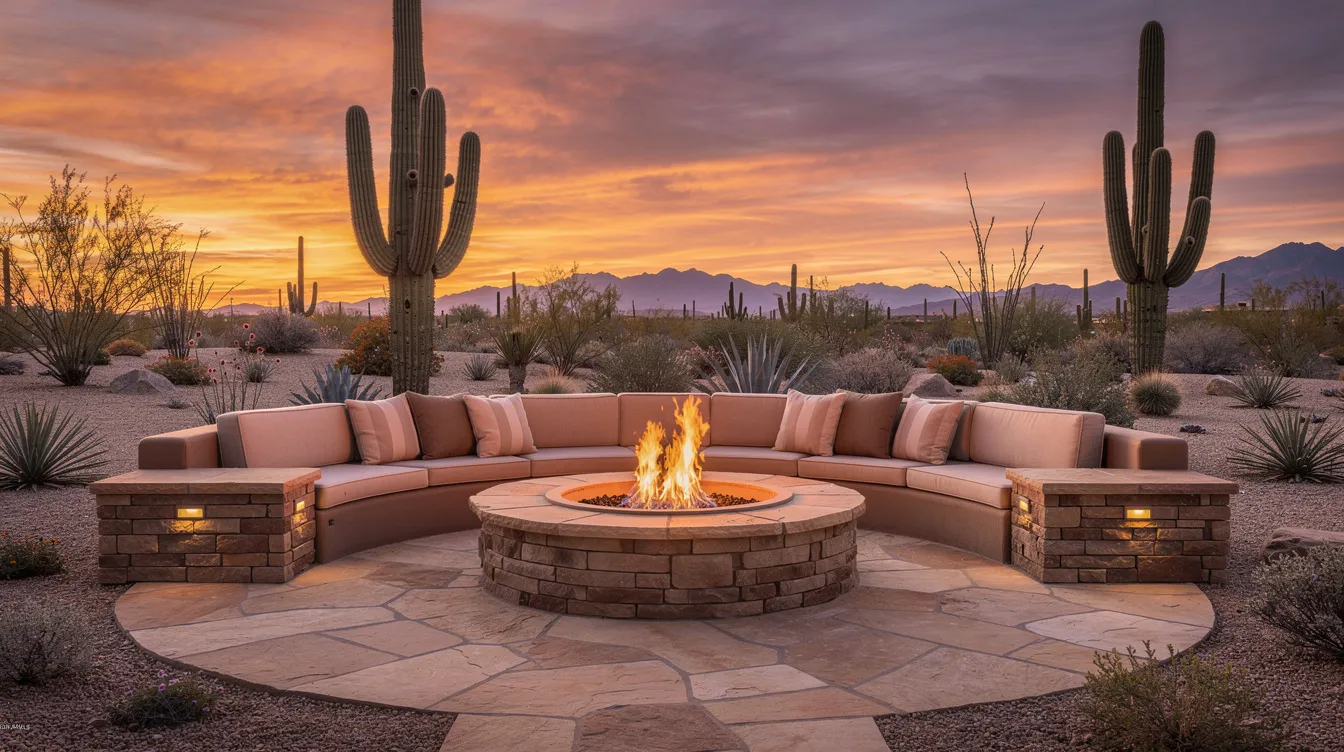
- Basic gas fire pit added to a patio: $2,000–$4,000
- Pondless water feature or basalt column fountain: $4,000–$7,500
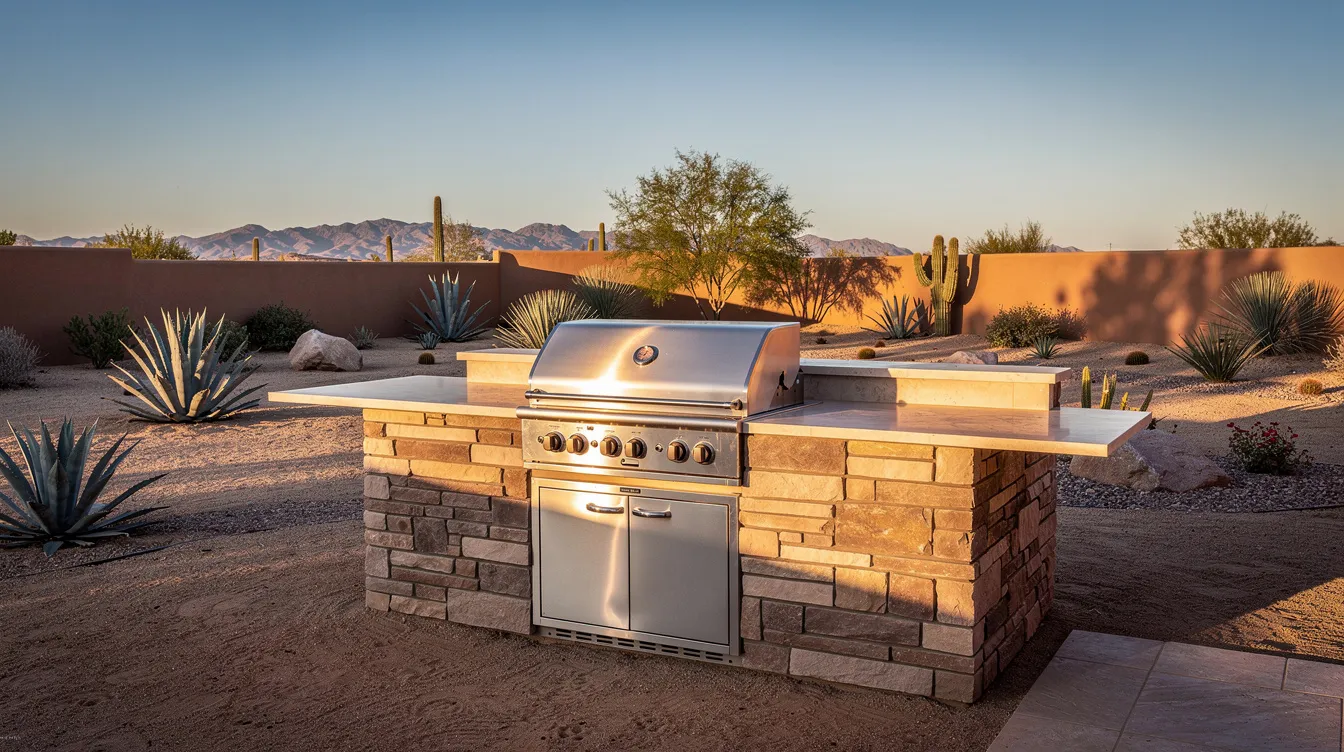
- Outdoor kitchen (grill, counter, storage, small fridge): $9,000–$15,000+
A contingency fund of 10% to 15% of the budget is recommended to handle unforeseen site issues or plan changes.
Breaking Down a Hardscape Estimate: Line Items to Expect
Understanding each line item in your estimate matters more than the final number. Labor and site preparation can account for nearly half of the total cost of a hardscaping project, and design choices like the best paver patterns for your home also influence overall value and curb appeal.
Typical Line Items
Typical line items include:
- Demolition of temporary builder concrete or debris
- Excavation, grading, and compaction
- Base material (class A/B aggregate)—quality patios typically require at least 6 inches of compacted base material and geotextile fabric to prevent shifting
- Drainage components (improper drainage is the primary cause of hardscape failure)
- Pavers or Techo Bloc–style units with specifications
- Retaining wall block and caps
- Artificial turf base and infill
- Edging and joint sand or polymeric sand
- Labor for skilled installation
Soft Costs
Soft costs should appear separately and may include:
- Design or 3D renderings
- Permits
- Hauling
- Equipment mobilization
Investing in custom 3D landscape design services in Queen Creek can make these visualizations more accurate and help align the estimate with your long-term goals. Ensure clarity on warranties, payment schedule, and exclusions like gas or electrical connections requiring licensed trades.
Professional Installation
Professional installation often means a higher initial price but covers more than labor—hiring professionals can prevent costly errors and provide long-term protection through warranties.
Estimating Retaining Walls, Seating Walls, and Steps
Retaining walls are a common hardscape feature that helps control erosion and enhance aesthetics. They’re especially prevalent in Queen Creek subdivisions where builders cut pads into gently sloping desert terrain. Elevation changes in hardscaping may require the construction of small walls to adjust the grade.
How Retaining Walls Are Estimated
Retaining walls are typically estimated by linear foot and by height, with cost influenced by:
- Wall system (block, natural stone, engineered systems)
- Need for proper drainage and geogrid reinforcement
Stone walls can be constructed from high-quality, durable stone to enhance outdoor spaces.
Design Details Affecting Cost
Key design details affecting cost include:
- Curves versus straight runs
- Integrated steps from the patio to raised areas
- Stone columns or caps that add visual interest
Functional walls above certain heights may require engineering—this should be flagged in your estimate.
Seating Walls
Seating walls provide additional seating and can enhance the aesthetic appeal of outdoor areas around fire pits or outdoor kitchens, creating gathering space without needing more outdoor furniture.
Factoring in Outdoor Kitchens, Fire Pits, and Water Features
Outdoor kitchens are a popular hardscape feature that enhances outdoor living spaces. Many Queen Creek new-home buyers plan these features right after closing to extend their living space.
Outdoor Kitchens
Outdoor kitchens are estimated based on:
- Linear feet of cabinetry or island dimensions
- Appliance choices (grill, side burner, fridge)
- Countertop materials
- Utility connections for gas, water, and electric
Choosing the right hardscape material is essential for matching function, style, and longevity in outdoor spaces, and pairing them with stunning water features and fountains can elevate both aesthetics and property value.
Fire Pits
Fire pits are a common hardscape enhancement that creates a cozy gathering space outdoors. Pricing varies depending on type:
- Simple wood-burning ring
- Gas-burning with hard-plumbed gas line
- Custom Techo Bloc–style surround integrated into the patio
Water Features
Water features (pondless waterfalls, bubbling urns, small streams) require estimating for:
- Pumps
- Plumbing
- Basins
- Rock
- Electrical supply
Incorporating these into low maintenance landscaping ideas for Arizona yards can keep upkeep manageable while still adding visual impact. Outdoor lighting can significantly enhance the ambiance of hardscaped areas and should be considered with lighting systems infrastructure.
Combining these features with initial patio and retaining walls during new home construction is usually more cost-effective than adding them years later.
Queen Creek-Specific Considerations for New Home Hardscape Estimates
Local climate, soils, and subdivision rules directly influence how estimates are prepared. Site preparation costs for hardscaping can increase due to factors such as poor soil conditions and limited accessibility for machinery.
Climate and Soil Factors
Desert climate factors demand attention:
- Intense UV exposure
- Monsoon rains
- Expansive clay pockets
These make proper compaction, drainage, and quality pavers essential for long-term durability. The thickness and finish of concrete can impact the durability and cost of hardscape projects.
HOA and Permitting
Community-specific issues for 2024–2026 construction include:
- HOA guidelines on retaining wall height
- Approved materials and colors
- Setbacks from block fences
- Front yard landscape coverage rules
Clarifying who is responsible for pulling necessary permits and securing HOA approvals is important.
Planning for Utilities and Hidden Costs
Plan for future utilities by running conduit or sleeves under patios and artificial turf for future lighting, speakers, pool equipment, or outdoor kitchen upgrades. Hidden costs in hardscaping often involve:
- Irrigation repairs
- Electrical work
- Unexpected drainage solutions
Include allowances for soil corrections if the builder’s grade is problematic or if inspection uncovers buried construction debris requiring removal.
Material Choices
Hardscaping materials can include:
- Interlocking concrete pavers
- Natural stones
- Artificial turf
Depending on your garden design and yard requirements, pairing them with Arizona native plants in your landscape can improve sustainability and reduce water use.
How to Compare Hardscape Estimates and Choose a Contractor
Don’t choose purely on the lowest price—focus on clarity and completeness. Obtaining multiple detailed contractor bids is essential for an accurate hardscape project estimate, especially when you’re considering a new construction landscape design company in Arizona that can handle both hardscaping and planting.
Comparing Estimates
Compare “apples to apples”:
- Same square footage
- Same paver or Techo Bloc–style product category
- Same base thickness
- Same retaining wall specs
- Same scope of site prep
A detailed project plan that includes site-specific labor and material realities is necessary for an accurate quote.
What to Check in Each Estimate
Check each estimate for:
- Written specifications on base depth
- Compaction standards
- Drainage strategy
- Wall construction details
Material prices can fluctuate, affecting overall costs, so confirm pricing validity periods.
Evaluating Contractors
Professional estimating services provide accurate and reliable landscaping and hardscaping estimates tailored to client needs, and they cover both residential and commercial projects. Many of the most common landscaping FAQs revolve around these early planning and budgeting decisions. Examine contractor credentials, references from recent Queen Creek projects (2023–2026), license status, and warranty terms.
Value designers who walk the property, discuss how your family will use the space, and adjust the plan rather than pushing generic packages. Working with experienced landscape designers at Mesquite Landscaping can also streamline this process. Professional estimating services help clients plan their projects with confidence.
Planning Your Landscaping Project Timeline with the Estimate
Your estimate addresses not only cost but also sequencing and timing around builder schedules and Arizona seasons. Drainage adjustments can add to costs, and permitting and access issues can affect pricing.
Typical Project Timeline
Typical timing for new home construction hardscapes in Queen Creek involves:
- Coordinating start after closing and builder final inspection
- Taking advantage of cooler installation months from fall through early spring for efficiency, especially when installing water-efficient Arizona backyard landscaping that depends on seasonally appropriate planting windows
Phasing Strategies
Phasing strategies should appear in your estimate:
- Phase 1: Patio, primary walkways, retaining walls, artificial turf
- Phase 2: Outdoor kitchen, fire pits, water features
- Phase 3: Lighting, added seating walls, additional driveways or walkways
Estimates should specify:
- Estimated start date
- Projected duration in working days
- Lead times for special-order pavers or wall systems
Plan around HOA approval timelines and municipal permits for gas lines or larger retaining walls—ensure these are acknowledged in writing. Using a cost calculator can help homeowners get a ballpark estimate before finalizing plans and preparing to purchase materials.
FAQ
This section answers common hardscape estimate questions focused on new construction homes in Queen Creek, but you can also contact a professional landscape design company in Arizona if you need personalized guidance or a detailed quote.
How early in my new home build should I request a hardscape estimate?
Start getting estimates 60–90 days before your anticipated closing date. This timeline allows design and approvals to be ready so work can begin shortly after you get keys. Early planning also lets you coordinate with the builder on site access, grade changes, and utility stub-outs that may reduce later costs. Creating a detailed plan and maintaining accuracy in measurements saves money throughout your investment.
Can I get an accurate estimate from a hardscape cost calculator alone?
Calculators are excellent for ballpark budgeting based on square footage and typical cost ranges, but they cannot factor in site-specific issues like soil conditions, access limitations, drainage needs, or HOA restrictions. A final, accurate estimate should only be issued after a professional has inspected the site and confirmed measurements and conditions, examining the ground, trees, plants, shrubs, and existing location factors.
How much contingency should I add to my hardscape budget?
Add 10–15% contingency above the written estimate to cover upgrades during design, minor hidden issues in the soil, or material price changes. For complex projects involving long retaining walls or extensive utilities requiring brick, gravel, or specialized materials at significant depth, a slightly higher contingency may be prudent to prepare for variables that affect scope and form.
Are retaining walls always required for sloped yards in Queen Creek?
Gentle slopes can sometimes be handled with grading alone, but steeper banks or areas close to property lines often need retaining walls for stability and to create usable space. Have a professional evaluate any slope where you want a patio, turf, or outdoor living area. Their recommendations should be incorporated into your estimate with appropriate width, height, and dimensions specified.
Is it cheaper to install hardscaping right after construction or wait a few years?
In most cases, installing major hardscaping soon after construction is more cost-effective because access is easier, grading is fresh, and you avoid tearing out temporary work later. Doing the main patio, retaining walls, and turf first—then adding outdoor kitchens or water features later—is a common phased approach reflected in well-structured estimates. This strategy helps you save on mobilization costs while building your outdoor living space over time to enhance and create the style you envision.
