
Turning a bare or outdated yard into a space you actually want to spend time in takes more than a few plants and good intentions. A qualified landscape contractor brings the technical skill, crew, and coordination needed to move a project from concept through construction to a finished result that holds up for years. This guide walks you through every step – from understanding what a contractor does, to evaluating bids, to financing a project that fits your budget.
Key Takeaways
-
A landscape contractor plans, builds, and maintains outdoor spaces for homes and businesses, handling everything from grading and drainage to patios, planting, irrigation, and lighting.
-
This article helps you hire the right landscape contractor, understand the process from design to installation, and budget your project with practical financing options.
-
Licensed and insured landscape contractors protect your investment and ensure code-compliant, long-lasting work – and in many states, licensing is a legal requirement for significant projects.
-
Modern landscape contracting combines landscape design, hardscapes, softscapes, irrigation, and lighting into one coordinated project, reducing miscommunication and costly delays.
-
You will also find a quick checklist of questions to ask before signing and an FAQ section covering timing, permits, and payment plans.
What Is a Landscape Contractor?
A landscape contractor is a licensed professional who constructs, installs, and often maintains outdoor environments. While landscape architects and designers focus on vision, layout, and plant palettes, the contractor is responsible for the build phase – turning those plans into a finished, usable space. Many firms combine both roles, but the distinction matters for contracts and regulatory compliance.
The scope of landscape construction is broad. Contractors handle site preparation and grading, drainage solutions, patios, retaining walls, plant installation, irrigation system design and build-out, and outdoor lighting for residential and commercial properties. Landscape contractors are generally categorized into maintenance and full-service firms, with full-service companies managing entire design-build projects from start to finish.
In many U.S. states, any landscape construction over a set dollar amount must be performed by a licensed contractor. California requires landscape contractors to be licensed for projects over $1,000, and California landscape contractors are regulated under the C-27 classification. Similar licensing frameworks exist in states like Arizona (CR-21), Texas, and Florida, though requirements vary by state and locality. The landscape industry in the U.S. now approaches $200 billion in annual revenue, and licensing standards have tightened as homeowner protection, environmental regulation, and safety requirements have expanded.
In short, landscape contracting refers to the full build and installation phase – the work that turns a landscape design plan into something you can walk on, sit in, and enjoy every day.
Landscape Contractor Services: From Design to Maintenance
Most modern landscape contractors offer end-to-end services, from concept and landscape design through installation and ongoing care. Landscape contractors offer services ranging from lawn care to design-build projects, scaling their work to fit everything from a 500-square-foot courtyard to a multi-acre corporate campus.
Typical residential services include:
-
Custom landscape design and planning
-
Patios, pavers, walkways, and retaining walls
-
Outdoor kitchens, fire pits, and decks
-
Planting – trees, shrubs, perennials, sod, seed, and artificial turf
-
Irrigation system design and installation
-
Low-voltage outdoor lighting
-
Ongoing maintenance: pruning, fertilizing, seasonal adjustments
Commercial services extend to:
-
Corporate campuses, apartment communities, HOA common areas, and retail centers
-
Long-term maintenance contracts and grounds management
-
Coordination across multiple trades for water features, lighting, and permits
Examples of core services provided by landscape contractors include design, maintenance, hardscaping, and pest control. In California, for instance, California requires a pest control license for pesticide application, so reputable firms either hold that credential or partner with licensed applicators. Contractors also provide ongoing maintenance for landscape projects, keeping planted areas, irrigation, and lighting performing well after the initial build.
Sustainability is increasingly central. Landscape professionals now prioritize drought-tolerant and native planting, smart irrigation controllers, rainwater management through bioswales and permeable paving, and energy-efficient LED lighting – all of which reduce long-term costs and water use.
Landscape Design & Planning
Some landscape contractors have in-house designers, while others collaborate with independent landscape design studios or licensed landscape architects. Either way, the design process sets the foundation for everything that follows.
A typical design engagement starts with an on-site consultation: the contractor walks your property, takes measurements and photos, and discusses your wish list – patio size, seating areas, play zones, privacy screening, and your budget range. From there, deliverables usually include 2D plan views, plant lists, material selections (concrete, pavers, natural stone, wood, composite), and sometimes immersive 3D renderings that let you see your landscape before it is built.
Expect the initial design phase to take one to four weeks depending on complexity and local permitting requirements. The creativity invested at this stage pays off: a well-developed design reduces costly mid-project changes and serves as the blueprint that guides every trade on site. Think of it as the single best tool for keeping scope, schedule, and budget on track.
Hardscape Construction
Hardscape refers to the non-living built elements of a landscape: patios, walkways, driveways, seat walls, steps, decks, fire features, and outdoor kitchens. These are often the most visible and heavily used parts of an outdoor space.
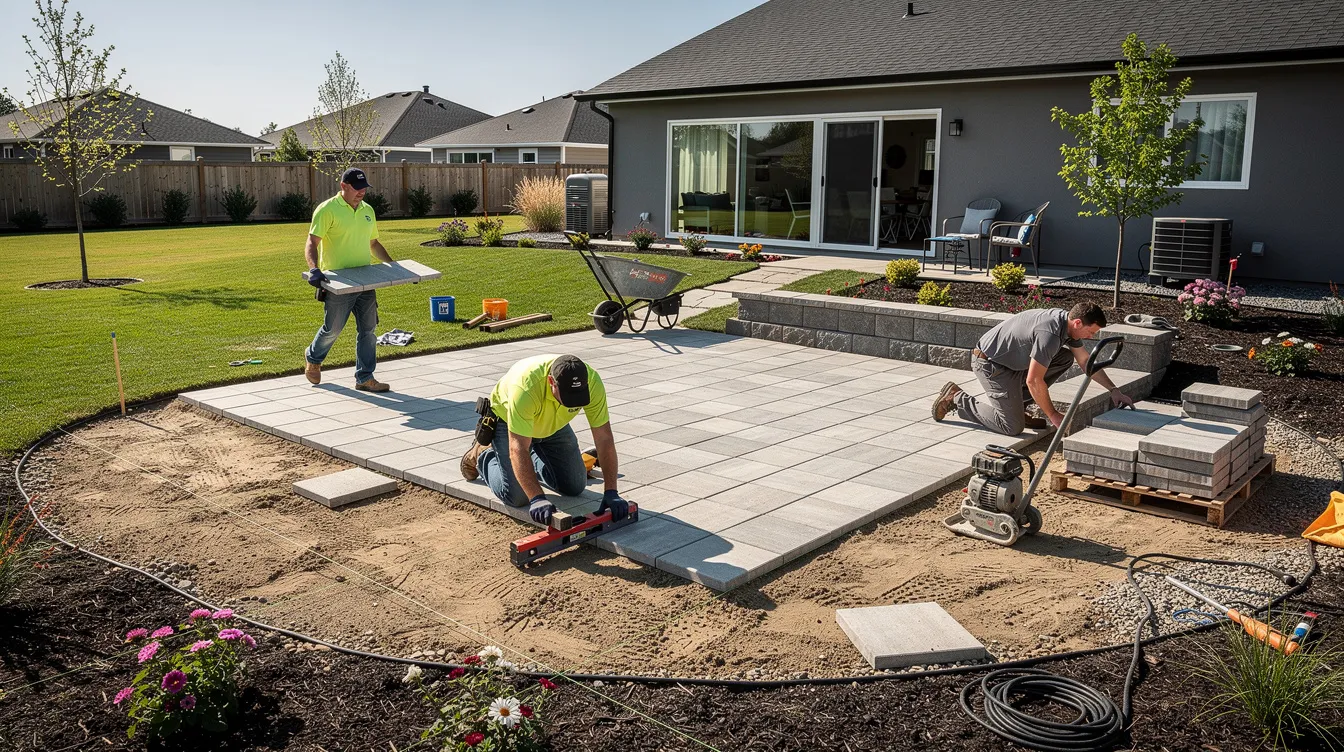
Landscape contractors handle site preparation and grading before any materials go down. They install hardscape features like patios and walkways by following a careful sequence: layout, excavation, base compaction, drainage slope verification, and installation of pavers, poured concrete, or natural stone to manufacturer and local code standards.
Common hardscape examples and their approximate costs:
|
Feature |
Typical Range |
|---|---|
|
Paver patio (~450 sq ft) with fire pit |
$8,500 – $27,000 |
|
3-foot retaining wall with geogrid |
$5,000 – $15,000+ |
|
Outdoor kitchen (mid-size built-in) |
$13,000 – $36,000 |
|
Fire feature (standalone) |
$4,000 – $14,000 |
Permits and inspections are common for structural work. Retaining walls above a certain height, gas lines for outdoor kitchens, and new electrical circuits for lighting typically require city or county permits. A qualified contractor coordinates plan submittals and inspections so you do not have to manage that process yourself.
Softscape, Planting & Turf
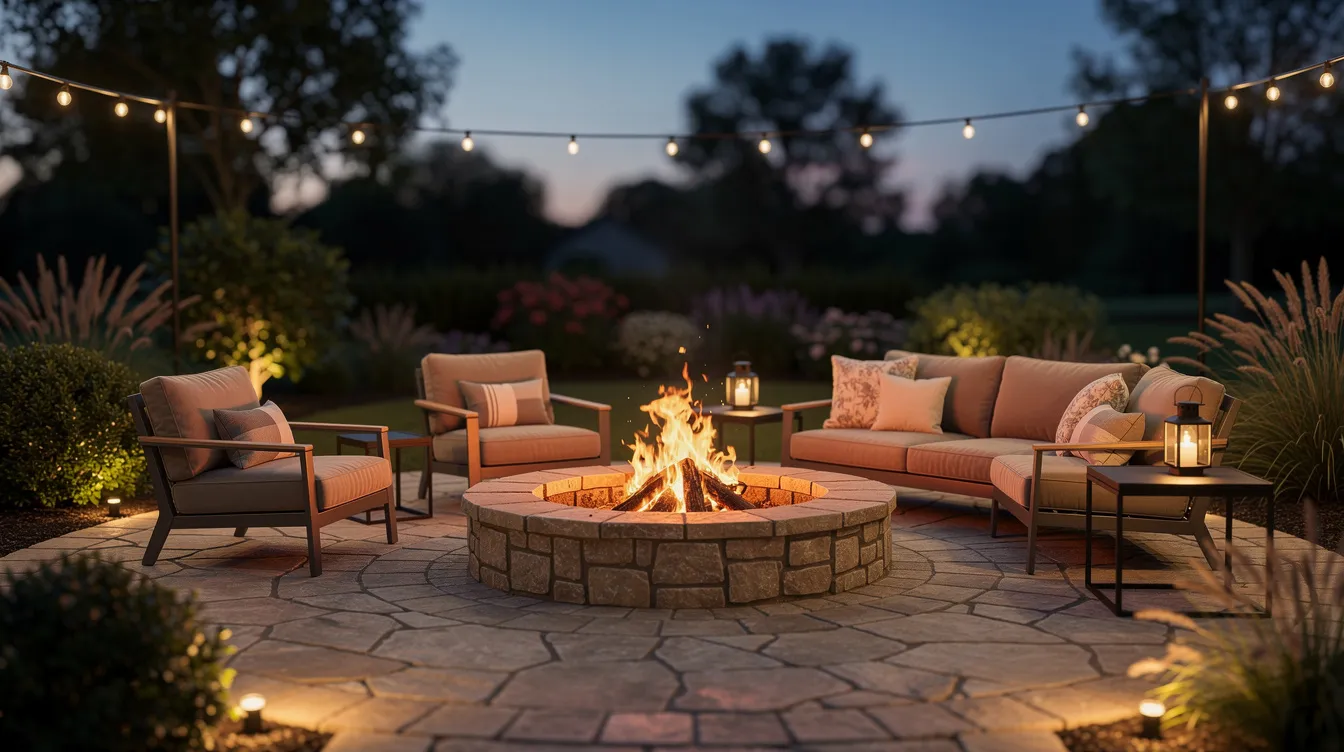
Softscape is the living side of your landscape: trees, shrubs, perennials, lawn, and groundcovers. These elements bring color, texture, shade, and seasonal interest to the garden and tie hardscape structures into the surrounding environment.
Contractors install softscape elements like trees and shrubs based on USDA hardiness zone, sun exposure, soil conditions, and your desired maintenance level. Low-maintenance options might include drought-tolerant native grasses and evergreen screening with arborvitae, while higher-impact plantings could feature pollinator gardens with coneflower and lavender or specimen shade trees like oaks or maples for larger lots.
A reputable contractor will prepare soil with amendments, ensure proper planting depth and spacing, and install two to four inches of mulch to conserve moisture and suppress weeds. Turf choices matter too: sod delivers an instant lawn at roughly $1.00–$2.60 per square foot installed, while seed is far less expensive ($0.04–$0.18 per square foot) but takes longer to establish and is more vulnerable to erosion. Synthetic turf costs more upfront but requires minimal ongoing water and mowing.
Irrigation, Drainage & Outdoor Lighting
Modern landscape contracting integrates water management and lighting during the construction phase – not as afterthoughts. Getting these systems right protects your investment and extends your outdoor living hours well into the evening.
Irrigation: Landscape contractors design and install irrigation systems with zoned sprinkler heads for lawns and drip lines for planting beds. Smart Wi-Fi controllers – either weather-based (ET) or soil-moisture-sensor-based – adjust watering schedules dynamically by season and weather conditions. Real-world case studies show these smart controllers reduce water use by 30 to 70 percent compared to fixed timers. One Colorado HOA with roughly 2,500 homes saved over 10 million gallons per year and approximately $58,000 in annual water costs after installing 38 smart controllers. CLCA Certified Water Managers must pass a written test and field performance test, ensuring irrigation professionals meet a high standard of education and competency.
Drainage: French drains along foundations, catch basins in low spots, and swales that move water safely away from structures and hardscape prevent the kind of pooling and erosion that undermine even the best-built project.
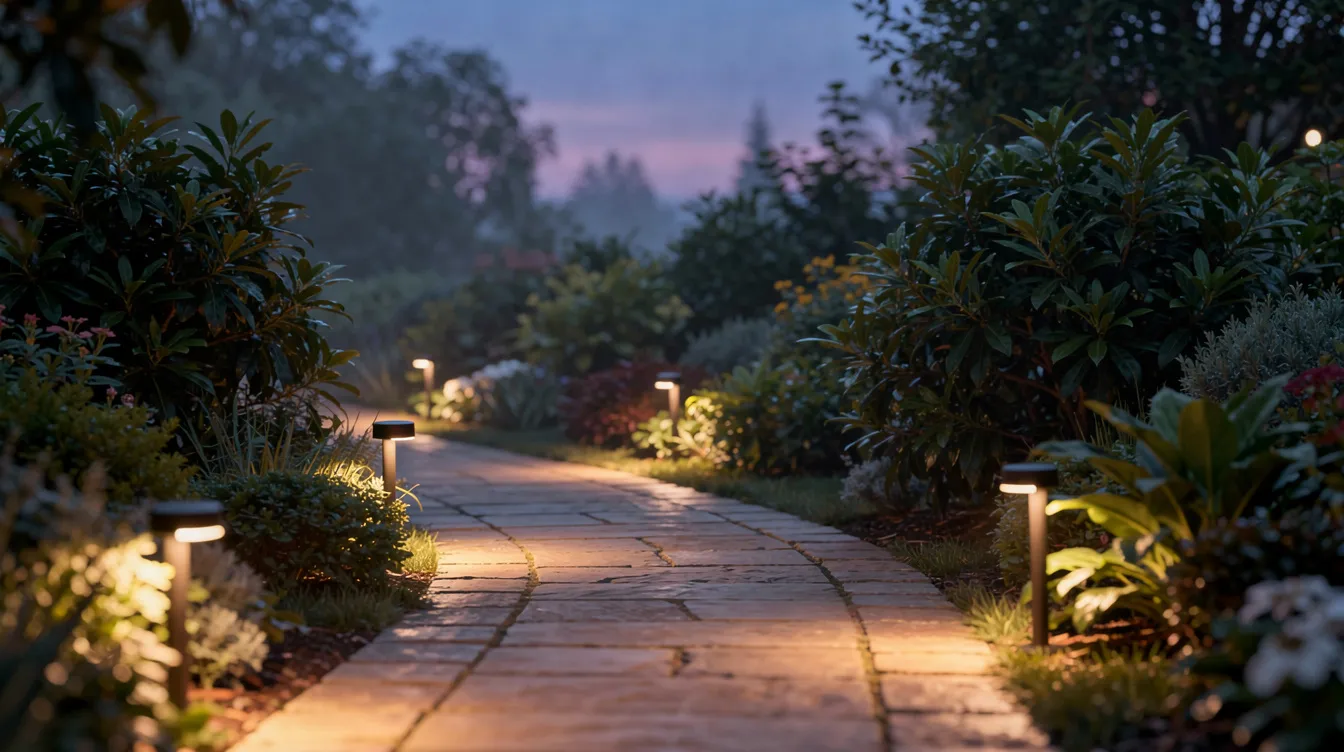
Lighting: Low-voltage LED path lights, up-lighting for trees and architecture, step lights for safety, and dimmable systems with timers or phone apps are now standard offerings. The global landscape lighting market is projected to grow from about $13.2 billion in 2024 to $22.0 billion by 2030, driven largely by LED efficiency, smart home integration, and demand for architectural finishes. These systems must be properly sized, wired, and integrated during construction – adding them later is more disruptive and expensive, and licensed contractors understand local electrical and stormwater codes.
Why Hire a Licensed and Insured Landscape Contractor?
Hiring a licensed and insured contractor is not just best practice – it is often a legal requirement for significant landscape construction work. Contractors must be licensed for projects over $1,000 in California. In fact, any work over $500 must be completed by a licensed contractor in California, and similar thresholds exist in other states. Contractors should hold the proper state or local licenses for their specific type of work, whether that involves structural walls, electrical circuits, or gas line connections.
Licensed contractors must pass required exams and hold adequate insurance. These exams typically cover trade knowledge, building codes, safety practices, and financial responsibility, providing a baseline quality standard that protects homeowners. Hiring licensed contractors provides recourse if something goes wrong – you can file a complaint with the licensing board, and the contractor’s bond or surety offers a financial backstop.
Unlicensed providers often lack insurance and training. That gap exposes homeowners to serious risk: if an uninsured worker is injured on your property, or if shoddy drainage work damages your foundation, you may have no legal remedy and could face personal liability.
Insurance to verify before signing:
-
Liability insurance and workers’ compensation insurance are essential for landscape contractors. General liability insurance typically covers $300,000 to $1 million per occurrence for property damage and accidents on site.
-
Workers’ compensation covers crew injuries – required in most states when employees are involved.
-
Commercial auto coverage protects against incidents involving contractor vehicles on your property or public roads.
Verifying a contractor’s insurance and certifications is crucial for hiring a landscape contractor. States like California, Arizona, and others maintain searchable online license databases where you can confirm status by name or license number. Before signing any contract, ask for current license numbers, certificates of insurance, and verify that all policies are active. This step takes minutes and can save you thousands.
How the Landscape Contracting Process Works
The process follows a clear sequence: consultation, design, proposal and budgeting, contract signing, construction, walkthrough, and maintenance options. Realistic project durations range from one to two weeks for a small front yard refresh to six to ten weeks or more for a full-property makeover with complex hardscape and utilities.
Key communication milestones keep everything on track: design approval, material selections, permit submissions, scheduled progress updates, and a final punch-list review. Reputable contractors provide written change orders for any scope changes, so you always know the current cost and schedule impact before work proceeds.
Initial Consultation & Site Assessment
The process usually begins with a phone call or online form, followed by an on-site visit. The contractor walks your property with you, discusses your goals, style preferences, and rough budget, and begins to learn how you want to use the space.
Defining project needs is essential when selecting a landscape contractor. During this first meeting, expect the contractor to take measurements, note drainage and sun patterns, review equipment access, and identify existing issues like cracked patios or failing retaining walls.
Come prepared to answer questions like:
-
How do you plan to use the space – entertaining, play, relaxation, all three?
-
Do you have pets or young children?
-
What is your preferred maintenance level?
-
Are privacy screening or noise buffering priorities?
-
How will you use the space after dark?
Some contractors charge a separate design or consultation fee for this visit, which may be credited back if you move forward with the build. Others offer a complimentary initial assessment. Ask upfront so there are no surprises.
Design, Proposal & Budgeting (With Financing Options)
After the consultation, the contractor prepares a design concept and a detailed written proposal outlining scope, materials, estimated timeline, and cost. A comprehensive contract with cost, payment schedule, and material specifications is necessary – this document protects both you and the contractor and sets clear expectations.
Proposals should break out major components (patio, planting, irrigation, lighting) with itemized or clearly described allowances so you understand where your money goes. Compare not only total price but also design quality, material specifications, warranty terms, and professionalism during the proposal stage.
Financing options make larger projects attainable. Reputable landscape contractors often provide or partner on financing options such as:
-
Fixed-term home improvement loans with predictable monthly payments over two to ten years
-
Same-as-cash promotions – no interest if paid in full within a set period (often 12–24 months)
-
Low-monthly-payment installment plans arranged through the contractor’s lending partners for projects over $10,000
-
Home equity lines of credit (HELOCs) arranged through your own bank, which may offer lower rates for homeowners with equity
Financing can spread the cost of a comprehensive landscape project over 12 to 120 months. Review interest rates, total repayment amounts, and any promotional deadlines or fees before committing. All financing terms should be documented in writing alongside the main landscape contract.
Construction, Inspections & Final Walkthrough
Once a contract and any financing paperwork are signed, the contractor schedules the start date, orders materials, and applies for required permits. From there, on-site work follows a logical sequence:
-
Demolition of existing structures and clearing
-
Grading and drainage installation
-
Underground utilities – irrigation lines, electrical conduit, gas
-
Hardscape installation – base, pavers, walls, structures
-
Softscape – planting, sod or seed, mulch
-
Lighting installation and system testing
-
Final cleanup and site restoration
City or county inspectors may visit at key points – footing inspections, gas and electrical sign-offs – and the landscape contractor coordinates access and any needed corrections. At completion, the contractor conducts a final walkthrough with you to review the work, demonstrate irrigation and lighting systems, and create a punch list of any minor items to adjust.
Acknowledging that new landscapes require care is important when hiring a contractor. Expect to receive written care instructions or maintenance options at turnover, along with warranty details – commonly a one-year workmanship warranty and a limited plant replacement period for any losses not caused by neglect.
Costs, Budgeting & Financing Your Landscape Project
Landscape projects are significant investments, and costs vary widely based on property size, materials, site conditions, and region. Labor rates for construction crews typically run $50 to $120 per hour depending on complexity and location, while design professionals may charge $75 to $150 or more per hour.
General cost ranges to help frame your budget:
|
Project Type |
Typical Cost Range |
|---|---|
|
Basic front yard refresh |
$3,000 – $8,000 |
|
Softscape planting (per sq ft) |
$4 – $12 |
|
Hardscape-heavy projects (per sq ft) |
$15 – $50+ |
|
Medium backyard renovation |
$15,000 – $50,000 |
|
Full custom outdoor living space |
$50,000 – $100,000+ |
|
Irrigation system installation |
$2,500 – $6,500 |
Choices like natural stone versus concrete, mature specimen trees versus younger plantings, and premium versus economy lighting fixtures can shift the line between a mid-range and high-end result. Align decisions with your long-term goals. A well-built patio and healthy planting add lasting value to your property; cutting corners on base preparation or drainage often costs more to fix later.
Financing recap: Unsecured home improvement loans, same-as-cash promotions, and structured monthly payments through the contractor’s lending partners all offered practical ways to bring a larger vision to life without depleting savings. Get all pricing and financing terms in writing, including payment schedule – deposit, progress payments, and final payment after punch list completion. Avoid paying the full amount up front; a typical schedule is 10–30 percent deposit, progress payments tied to milestones, and a final payment upon walkthrough approval.
How to Choose the Right Landscape Contractor
Selecting the right contractor is the most important decision you will make in the entire landscape design and build process. The quality of your experience – and your finished outdoor space – depends on finding members of the trade who combine skill, communication, and integrity.
Researching local companies is an important step in choosing a landscape contractor. Start by developing a short list of two to four contractors experienced in projects similar in size and style to yours, whether that is a modern courtyard, a family-friendly backyard, or a commercial campus. It is advisable to get multiple detailed itemized bids before selecting a contractor so you can compare scope, materials, and value rather than price alone.
Key evaluation factors:
-
License and insurance verification (confirm active status)
-
Years in business and relevant portfolio examples
-
Checking reviews and references can indicate a landscape contractor’s quality and professionalism – look at Google, Houzz, or industry board pages for patterns in feedback
-
Communication style and responsiveness
-
Clarity of written proposals and contracts
In 2026, many contractors maintain robust online galleries and review profiles that provide concrete examples of quality and customer service. Prioritize contractors who listen carefully, ask thoughtful questions, and can explain technical details – like drainage design or base preparation – in plain language. That kind of professionalism signals a contractor who will bring excellence to your project from day one.
Questions to Ask Before You Sign
Before committing, ask pointed questions that reveal how the contractor actually operates:
-
Staffing: Asking if the project will be completed by in-house employees or subcontractors is necessary. Find out who will be on site daily and whether there will be a dedicated project manager.
-
Scheduling: What are the projected start and completion dates? Contracts often should outline start and finish dates for landscaping work. How are weather delays or material backorders handled and communicated?
-
Protection: How will you protect my existing structures, lawn, and neighbors’ property during construction?
-
Warranties: What warranties apply to workmanship, plants, and materials? Do you offer optional maintenance services after installation?
-
References: Request at least two recent references. If possible, drive by a completed project and one currently in progress to see cleanliness and organization firsthand.
Clarifying who is responsible for necessary permits is important for landscape projects – confirm this in writing so there are no delays or compliance surprises. These questions are not nitpicking; they are the mark of a prepared homeowner who values their time and investment. The right contractor will welcome them.
FAQ
These questions address common concerns homeowners have about working with landscape contractors that were not fully covered above.
How far in advance should I book a landscape contractor?
Popular contractors often book two to four months ahead for large projects, especially during spring and early summer when demand peaks. If you are planning a major renovation for the upcoming outdoor season, start consultations in late winter so design and permits are ready when the weather cooperates. Off-season planning during fall and winter can sometimes lead to quicker start dates and more flexible scheduling. Ask each contractor about their current backlog and realistic project start windows – the earlier you begin, the more choice and control you have.
Do I need permits for my landscape project?
Many cosmetic upgrades like small planting beds and basic sod replacement usually do not require permits, but structural work often does. Common permit-triggering items include retaining walls above local height limits, new decks, gas lines for fire pits or outdoor kitchens, and new electrical circuits for lighting. A qualified landscape contractor should be familiar with local codes and will typically handle permit applications and inspections on your behalf. Confirm in writing which party is responsible for obtaining permits to avoid delays or compliance issues, and check with your local building or planning department if there is any doubt, as regulations vary by city and county.
Can I do part of the work myself to save money?
It is often possible to split tasks. For example, you might have the contractor handle grading, hardscape, irrigation, and main planting, while you complete mulch spreading, small accent plants, or accessory placement later. However, avoid DIY on structural elements, utilities, or drainage changes – mistakes in these areas are expensive and sometimes unsafe to correct. Discuss any planned DIY portions upfront so the contractor can design and schedule accordingly and avoid warranty conflicts. A clear division of responsibilities in the written contract prevents misunderstandings and protects both parties.
What kind of financing is typically available for landscape projects?
Many landscape contractors partner with third-party lenders to offer unsecured home improvement loans with fixed monthly payments over terms like two to ten years. Common options include low-APR promotional periods, “no interest if paid in full” offers for shorter terms, or standard installment loans depending on credit approval. Compare financing offers carefully, review total repayment amounts, and ensure you understand any promotional deadlines or fees. Some homeowners also use home equity lines of credit or personal loans arranged through their own bank if they prefer not to use contractor-arranged financing. All financing should be documented in writing alongside the main landscape contract.
How long will my new landscape last before it needs major updates?
Well-built hardscapes – patios, walls, steps – installed by an experienced landscape contractor can last 15 to 30 years or more with proper drainage and periodic maintenance. Plantings evolve over time: perennials may need refreshing every three to seven years, while trees and shrubs typically mature and improve the landscape for decades. Irrigation systems and lighting may require component updates or controller upgrades every five to ten years as technology advances. Schedule periodic check-ups, especially after the first year, to adjust irrigation, address any plant losses, and keep your outdoor space performing at its best.
