
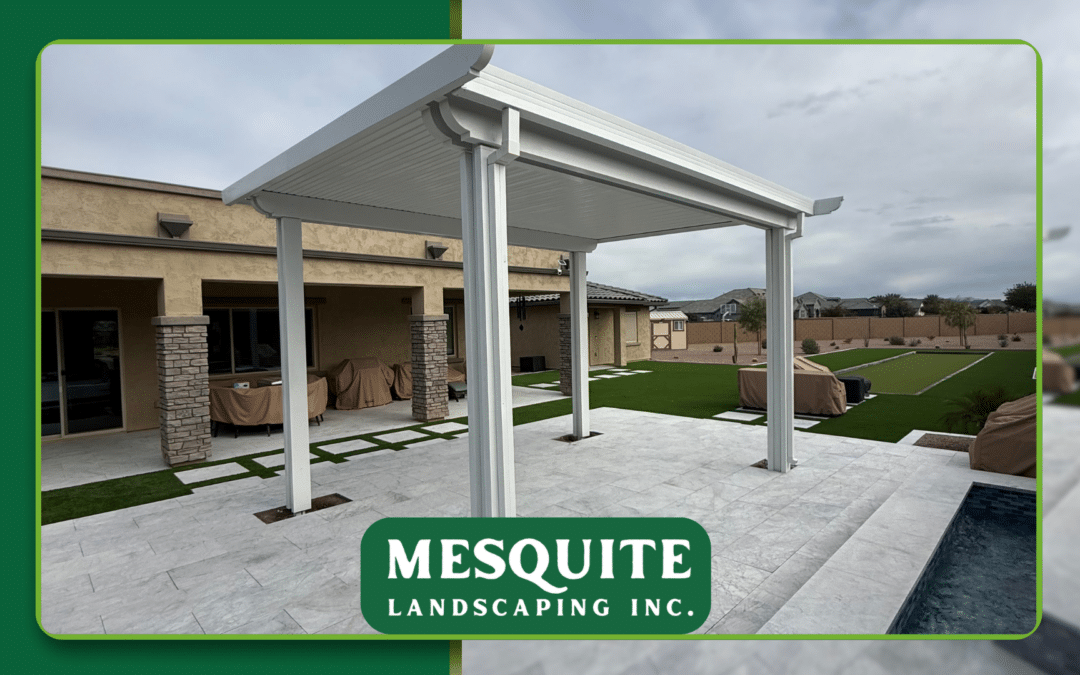
Whether you’re a homeowner dreaming up an outdoor living space or a landscaping business owner trying to keep margins healthy, the way you plan your landscape budget in 2026 will determine what you can actually build, maintain, and afford. This guide covers real costs, financing paths, and practical budgeting strategies for both sides of the equation.
Key Takeaways
-
Most 2026 residential landscaping projects in the U.S. fall between $3,000 and $25,000, while design-build outdoor living spaces featuring turf, pavers, pergolas, and fire pits often run $40,000 or more in markets like Chandler and the East Valley.
-
A smart landscape budget starts with clear priorities-curb appeal, usable outdoor living, low maintenance-and a phased plan rather than random one-off purchases.
-
Many homeowners combine cash, 0% intro APR credit cards, and fixed-rate personal loans or 12-month same-as-cash programs (offered by landscape companies across Arizona) to spread costs without stalling the project.
-
For a landscaping business, the annual budget is a living document. Owners who track job costs, marketing spend, and profit margins every month stay competitive and grow; those who guess fall behind.
-
The American Society of Landscape Architects recommends spending about 10% of your home’s value on landscaping, making a $45,000 outdoor investment realistic for a $450,000 property over several years.
What Is a Landscaping Budget and Why It Matters (For Homeowners and Landscaping Businesses)
A landscaping budget means different things depending on which side of the invoice you sit on. For homeowners planning a one-time landscaping project, it’s a detailed financial plan covering landscape design fees, materials, labor, permits, and ongoing maintenance over at least 12 to 24 months-not just the installation bill. For the owner of a landscaping company, it’s an annual forecast that accounts for equipment purchases, payroll, fuel, insurance, marketing, and software, reviewed monthly or quarterly to stay profitable.
The distinction matters because too many homeowners treat their budget as a single lump sum at signing, then get blindsided by irrigation tune-ups, plant replacements, and seasonal pruning costs that add up fast. And too many landscaping businesses run on gut feeling instead of data, which is how margins disappear.
For context, homeowners spent between $1,500 and $5,000 on landscaping in 2017. By 2026, that baseline has shifted upward due to material price inflation, labor shortages, and growing demand for outdoor living features. The American Society of Landscape Architects recommends allocating around 10% of your home’s value to landscaping, which means a $450,000 house could justify roughly $45,000 in outdoor improvements spread over several years.
At Digital Vibes Agency, we don’t install landscapes. We help landscaping businesses generate higher-value projects and manage lead costs through smart digital marketing-so the money they spend on client acquisition actually translates into booked jobs.
Typical Landscaping Project Costs in 2026
Real numbers set a grounded budget before you talk about financing or cost-cutting. Here’s what residential landscaping costs look like across the U.S. and in the Southwest:
-
Basic refresh (plants, mulch, minor grading, rock accents, lighting): $3,000–$7,500
-
Turf + pavers (artificial turf installation plus a paver patio using patterns that fit your home’s style): $12,000–$30,000
-
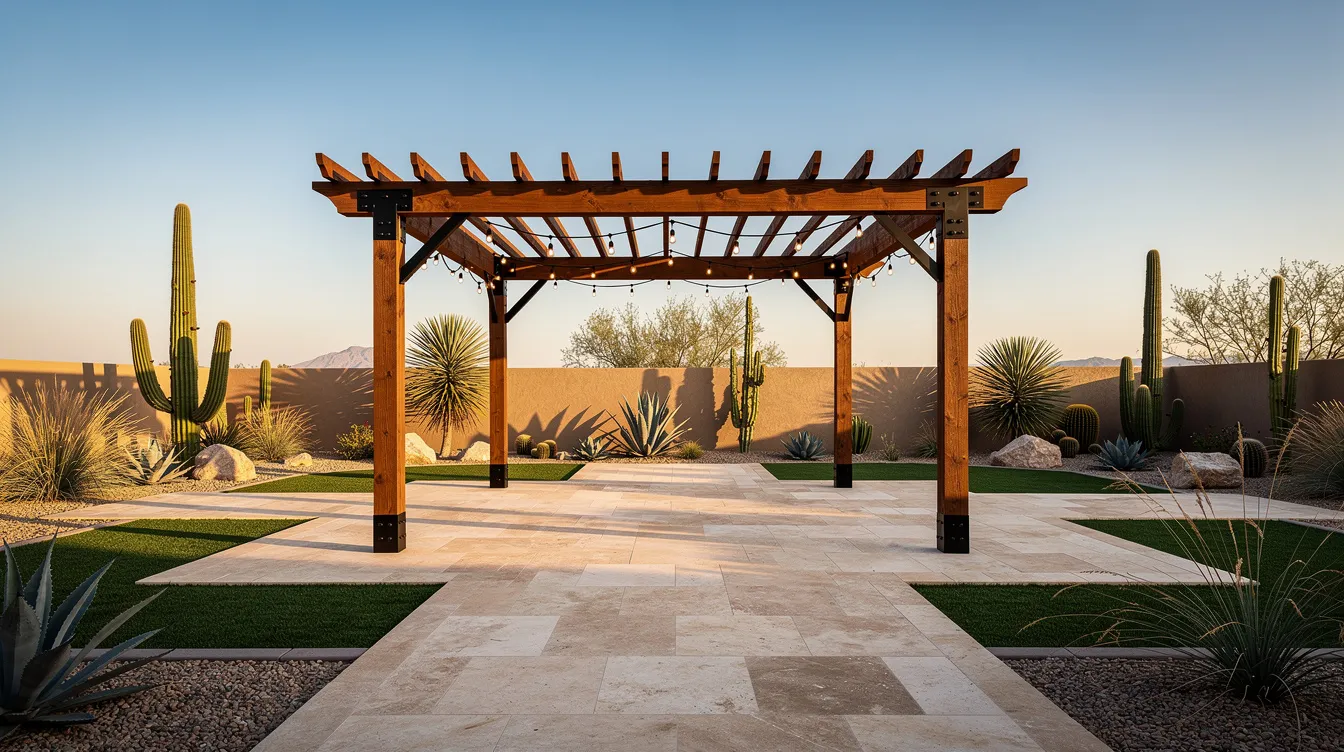
Full outdoor living (kitchen, fire feature, pergola, turf, planting): $40,000–$100,000+
Common line items break down roughly as follows:
|
Feature |
Typical Cost Range |
|---|---|
|
Artificial turf |
$2–$8 per sq ft installed |
|
Paver patio |
$6–$25 per sq ft installed |
|
Pergola / shade structure |
$5,000–$12,000 |
|
Water feature |
$2,500–$10,000+ |
|
Irrigation system upgrade |
Varies by coverage area |
|
LED landscape lighting |
$1,500–$5,000+ (full system) |
Design fees in many markets run $750 to $3,000 as a flat charge, though some firms roll the fee into the build if you sign a contract. Firms like Mesquite Landscaping, Inc.’s landscape designers in the East Valley use a dedicated landscape designer model with 3D AutoCAD renderings, so homeowners can visualize the plan and adjust the scope before ground is broken.
Regional climate drives spending patterns. Desert areas like Chandler, Gilbert, and Mesa invest more in hardscape and shade structures and often benefit from new construction landscape design tailored to Arizona homes, while wetter climates allocate more toward dense planting and drainage. Labor typically accounts for 40% to 65% of total project costs, making it the single largest line item.
Don’t overlook the gap between upfront installation costs and yearly maintenance. Fertilizer, mowing, pruning, irrigation adjustments, and occasional plant replacement can run several hundred to several thousand dollars annually depending on your yard’s size and complexity.
How to Build a Realistic Landscaping Budget (Step by Step)
Before you call a landscaping company, work through the following steps to avoid surprises:
-
Define your goals. Decide whether the priority is curb appeal, usable outdoor living space, resale value, or low maintenance. Each goal shapes a different spending pattern.
-
Measure your yard. Walk the property and note approximate square footage for each zone-entertaining, play area, quiet retreat, utility (trash, AC units). This grounds your planning in real dimensions.
-
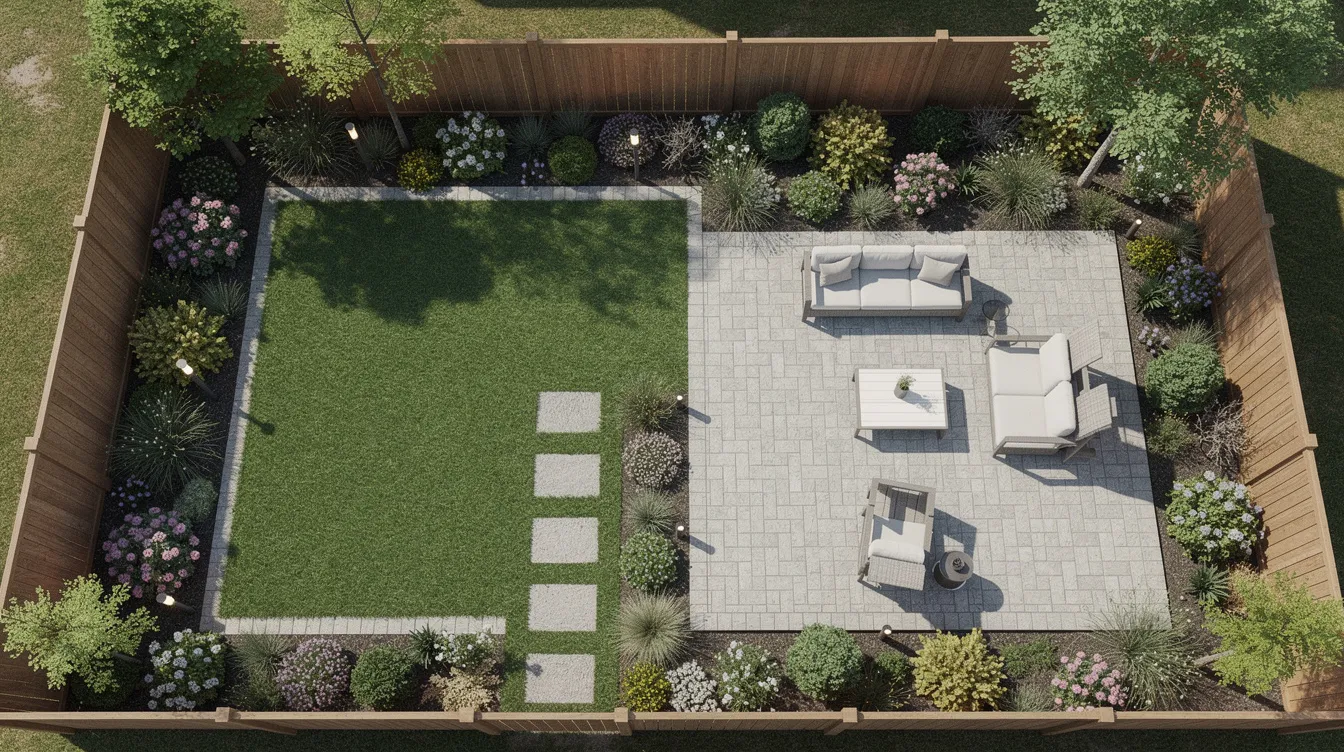
Gather inspiration and sketch zones. Pull photos from project galleries, assign preliminary dollar ranges to each zone (for example, $15,000 for a patio and shade structure, $8,000 for turf, $3,000 for planting and lighting), and separate what you must have from what would be nice to add later.
-
Distinguish must-haves from nice-to-haves. Real grass versus artificial turf, a built-in grill versus a portable one, a masonry fire pit versus a steel bowl, a full pergola versus a sail shade-each choice shifts the budget significantly.
-
Get 2–3 itemized quotes. Ask established contractors for line-by-line detail on materials, labor, demolition, hauling, permits, and warranties using the same design scope so comparisons are fair.
-
Create a phased plan. A phased landscaping approach allows for spreading costs over time. Phase 1 might cover grading, drainage, utilities, and hardscape. Phase 2 handles planting and irrigation. Phase 3 adds extras like a water feature or outdoor kitchen.
Using smaller plants is more cost-effective than buying mature ones, and grouping plants in odd numbers creates a more intentional, professional look. Also consider defining edges between lawn and garden beds using simple materials like steel or stone to enhance aesthetics without large expense.
Landscape Design Choices That Protect Your Budget Long-Term
Smart landscape design can cut maintenance and replacement costs for 10 to 15 years, not just save money at install.
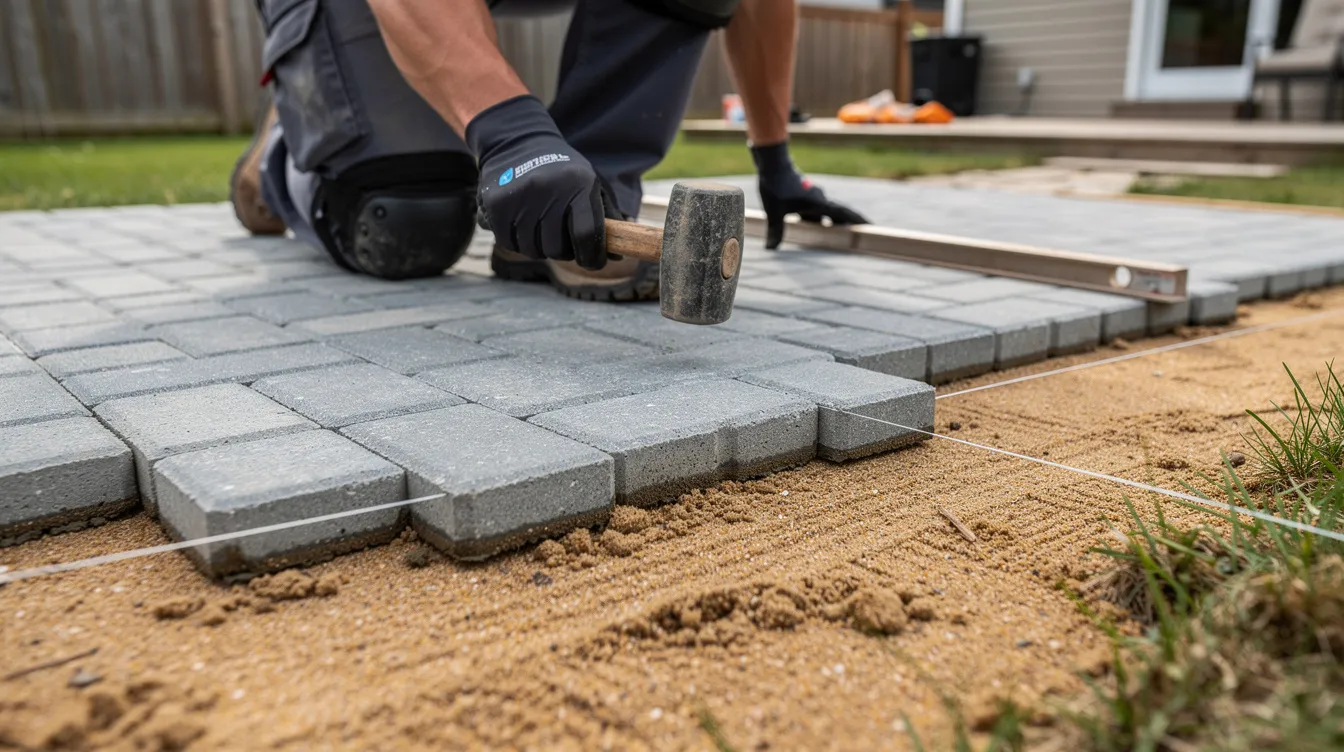
Materials matter. Concrete pavers outlast poured concrete in freeze-thaw climates. Composite decking resists rot better than softwood. Metal or masonry edging holds up where plastic splits. LED lighting paired with properly sized transformers supports future expansion without rewiring.
Plant selection drives ongoing costs. Native plants require less water and fertilizer than non-native species, which is critical in Arizona where municipal water restrictions keep tightening, and using Arizona native plants in your landscape can also support local ecology while lowering long-term maintenance costs. Desert willow, lantana, red yucca, and shrubs like Texas sage thrive with minimal intervention, while thirsty exotics drive up water bills and replacement cycles. Perennials return every year and reduce replacement costs compared to annuals that need seasonal replanting. Trees chosen for mature canopy size save on future removal fees.
Xeriscaping principles save water and money. Hydro-zoning groups plants by water use so drip irrigation targets only what needs it. Gravel is an affordable material for pathways and drains water well, reducing runoff issues. Mulch helps retain moisture and suppress weeds in planting beds.
Drainage and grading prevent expensive repairs. Heaving pavers, waterlogged lawns, and foundation damage cost far more to fix than proper initial grading. This is where skipping professional support backfires, and reviewing expert landscaping FAQs on planning and installation can help homeowners ask the right questions before work starts.
Solar-powered lights provide ambiance without increasing electricity costs, and repurposing materials like salvaged stone or reclaimed wood can create unique features in a landscape without premium price tags.
Many professional landscaping services now provide 2D and 3D design previews so homeowners can scale back or re-phase elements before construction starts, protecting the budget from mid-project change orders.
Financing Options for Landscaping Projects: From Cash to Personal Loans
Landscape financing is common for projects above $10,000, especially when timing around Arizona’s peak build seasons (fall and early spring) is critical, and flexible landscape financing options for East Valley homeowners make it easier to align payments with your overall budget. Here are the main landscape financing options:
Cash and savings carry no interest but may delay projects or limit scope. Keep an emergency buffer and avoid emptying savings for non-essential improvements.
Personal loans are unsecured, fixed-rate loans typically ranging from $5,000 to $75,000 with 2- to 7-year terms. They place no lien on your house, fund within a week in many cases, and work with any landscaping company. APRs vary widely-roughly 6% to 7% for strong credit, up to 30% or more for lower scores. The application process is straightforward with most online lenders.
Credit cards may offer 0% interest for the first 12 to 18 months, making them useful for smaller add-ons ($500–$8,000) like lighting, planters, or furniture from a home improvement store. But deferred interest penalties hit hard if you miss the payoff deadline.
Home equity loans and HELOCs offer lower interest rates and longer loan terms (often 15 to 30 years) but require sufficient equity and place a lien on the property. Home equity loans for landscaping can take four to six weeks to fund, which can miss an ideal construction window. Landscape financing can extend terms up to 20 years with some equity-based products.
Contractor-specific financing rounds out your landscape financing solutions. Programs like the 12-month same-as-cash promotion offered by firms such as Mesquite Landscaping pair well with personal loans or cash to balance flexibility and cost, letting homeowners pay for the project without upfront interest pressure.
Understanding Loan Terms and Comparing Landscape Financing Offers
The lowest monthly payments are not always the best deal. Homeowners need to compare complete loan terms before signing.
Key terms to understand:
-
APR – the true annual cost of borrowing, including fees
-
Term length – how many months or years until payoff
-
Origination fee – an upfront charge (often 1%–6% of the loan amount)
-
Prepayment penalties – fees for paying off early (avoid these when possible)
-
Deferred interest – promotional “0% for 12 months” deals that retroactively charge interest if you miss the payoff date
Concrete example: A $25,000 landscaping project financed three ways at typical 2026 rates:
|
Option |
Rate |
Term |
Est. Total Interest |
Monthly Payment |
|---|---|---|---|---|
|
Personal loan |
10% fixed |
5 years |
~$3,300 |
~$531 |
|
HELOC |
8.5% variable |
20 years |
Much higher over life of loan |
Lower initially |
|
Same-as-cash + cash |
0% (12 mo.) |
12 months |
$0 if paid in full |
~$2,083 |
Red flags: Large dealer fees baked into contractor financing, “no interest if paid in full” promos that retroactively charge interest if you miss the payoff date, and variable-rate HELOCs in a rising-rate environment.
A simple process: get written quotes from each lender, read all disclosures, use an online calculator to model total interest, and check how extra principal payments affect your payoff date. You can also negotiate project milestones and a draw schedule with the landscaping company so loan disbursements match actual work completion, and you avoid paying interest on unused funds.
How Landscaping Companies Should Build and Manage Their Annual Budget
Profitable landscaping services rely on a disciplined budget that covers both busy season and slow months. Startup costs for landscaping businesses can reach $50,000 or more, so careful financial planning from day one is non-negotiable.
Revenue streams to categorize: maintenance contracts, design-build projects, seasonal services, and upsells like lighting or irrigation audits. In Arizona, maintenance contracts provide steady year-round cash flow, while design-build work spikes in fall and spring.
Typical fixed expenses:
-
Monthly rent for landscaping businesses ranges from $2,000 to $15,000 (yard, shop, office)
-
Employee salaries in landscaping average $3,300 to $4,250 monthly (operating costs for landscaping staff range from $3,300 to $4,250 monthly)
-
Insurance (general liability, workers’ comp, vehicle)
-
Software subscriptions (CRM, CAD, field management)
-
Loan payments on trucks and mowers
Typical variable expenses:
-
Seasonal labor, fuel, dump fees
-
Plant material, bulk rock, mulch, pavers
-
Equipment maintenance costs range from $500 to $1,000 monthly
-
Subcontractors for gas lines, electrical, plumbing
Landscaping companies should track both fixed and variable costs using last 12 to 24 months of profit-and-loss statements to set realistic monthly budgets. New landscaping businesses average a profit margin of around 15%, so there’s little room for guesswork.
Reserve a set percentage of projected revenue for marketing and growth. Marketing costs for landscaping can be $800 to $4,000 monthly, depending on the aggressiveness of your sales and client acquisition goals. We’ll cover how to optimize that spend next.
Optimizing Your Landscaping Budget With Smart Marketing (For Landscaping Businesses)
From Digital Vibes Agency’s perspective, the fastest way for a landscaping company to outgrow its budget constraints is to improve lead quality and close more high-margin jobs per marketing dollar. Monthly marketing costs for landscaping can range from $800 to $4,000, and where that money goes determines ROI.
Local SEO helps landscaping businesses rank in Google’s local pack for searches like “landscaping services in Chandler,” “artificial turf installer Gilbert,” and “outdoor kitchens Mesa.” Strong local presence reduces dependency on expensive lead marketplaces and builds a community reputation.
PPC campaigns (Google Ads and Meta Ads) target homeowners actively searching for “landscaping financing,” “backyard remodel 2026,” or “paver patio cost.” Tightly targeted ads with landing pages that pre-qualify budget range keep cost per lead low and selling efficiency high.
Conversion-focused web design is equally important. Clear service pages for specific landscape projects, financing info, galleries, and quote forms that capture project scope and rough budget reduce time spent on non-qualified clients.
Email marketing and remarketing nurture leads who requested quotes in early spring but are still comparing options. Content about budgeting, seasonal promotions, and landscape financing solutions keeps your company top of mind through the decision cycle.
Track cost per lead and cost per booked project so you can see exactly how much of the budget goes to client acquisition and where to shift spend. Established firms typically invest 3% to 5% of revenue in marketing to maintain their client base, while growth-focused companies allocate 5% to 10%.
DIY vs. Hiring a Landscaping Company: Budget Trade-Offs
DIY can shrink immediate cash outlay, but it increases the risk of costly rework if projects go beyond your skill set. Knowing where to draw the line protects both your money and your property.
Projects usually safe for DIY:
-
Planting beds with shrubs, perennials, and ground covers
-
Container gardens and small gravel paths
-
Basic drip line extensions
-
Mulch and rock refresh
-
DIY composting, which turns yard waste into nutrient-rich soil
Projects that justify hiring a professional:
-
Grading and drainage work
-
Major retaining walls
-
Gas and electrical for outdoor kitchens
-
Complex irrigation systems
-
Large paver patios
Hidden DIY costs people forget: tool rental or purchases, disposal fees, transportation of heavy materials, and the value of weekends spent on the project instead of with family or at work.
Reputable landscapers often provide 1- to 2-year warranties on plants and hardscape, and use licensed trades for utilities, reducing risk. A hybrid approach works well: pay for professional landscape design and ongoing maintenance services for the structural work, then DIY planting and decor to keep the budget in check.
Ongoing Maintenance: Protecting Your Landscape Investment and Budget
Your landscaping budget must account for 12 to 36 months of maintenance to keep the yard looking as designed. Skipping this step is like buying a car and never changing the oil.
Typical annual maintenance line items:
-
Lawn care programs (mowing, edging, fertilizing)
-
Pruning and seasonal cleanups
-
Irrigation tune-ups and adjustments
-
Plant replacement allowance (5%–10% of original planting cost)
-
Lighting system checks
Maintenance needs vary by landscape design. A turf-heavy lawn with high-shear hedges costs more to maintain than a low maintenance xeriscape yard designed for Arizona conditions with natural-form native plants. Deciduous trees require seasonal leaf cleanup; evergreen structure stays cleaner year-round.
Budget-friendly practices: composting, mulching beds to reduce weeds and watering, using smart irrigation controllers and moisture sensors to cut water bills, and choosing slow-release fertilizers. Regular maintenance like pruning and weeding significantly improves visual appeal without major spend.
Schedule at least one professional system check per year-an irrigation audit or drainage and hardscape inspection-to catch small issues before they become multi-thousand-dollar repairs. For landscaping businesses, tiered maintenance packages (basic, standard, premium) align with different client budgets and create predictable recurring revenue.
Common Budget Mistakes in Landscape Projects (and How to Avoid Them)
Review this checklist prior to signing a contract or applying for a loan.
Common homeowner mistakes:
-
Underestimating site prep and demolition costs
-
Skipping a proper design and winging it with an idea sketched on a napkin
-
Choosing trendy materials with short life spans
-
Ignoring drainage until water pools against the house foundation
-
Not budgeting for permits, HOA approvals, or inspection fees
Financing-related errors:
-
Taking the longest loan term available without calculating total interest over the life of the loan
-
Misunderstanding deferred-interest promotions and getting hit with retroactive charges
-
Committing to monthly payments that strain cash flow and affect other financial goals
Timing issues: Waiting too long to schedule work and missing ideal installation seasons can increase material prices or trigger rush fees that stretch your budget.
Prevention tips:
-
Include a 10%–15% contingency line in every budget
-
Ask for an itemized bid and review every line
-
Get warranties in writing before completion
-
Confirm who handles permits and inspections
The goal is not the cheapest possible landscape. It’s the best long-term value within your budget and financing comfort zone.
FAQ: Landscaping Budget and Financing Questions
These common questions cover practical concerns that many homeowners and landscaping business owners raise when working through their budget and financing decisions.
How much should I budget for a basic front yard makeover in 2026?
In many U.S. suburbs, a modest front yard refresh-new plants, rock or mulch, minor irrigation tweaks, and some lighting-typically runs $3,000 to $8,000, and reviewing a landscape project gallery of completed Arizona yards can help you visualize what that budget can achieve. A full tear-out and redesign with pavers or artificial turf can reach $12,000 to $25,000 in higher-cost markets like Chandler, AZ. HOA requirements, access issues, and choice of materials (natural stone versus concrete pavers, for example) are the biggest drivers within that range. Request two itemized quotes based on the same design plan to compare true costs and assess fit with your landscaping budget.
Is a personal loan or home equity better for financing my landscape project?
Unsecured personal loans are usually faster to fund (often within a week), don’t put a lien on the home, and work well for projects in the $10,000 to $75,000 range, but may carry a higher interest rate than secured options. Home equity loans and HELOCs offer lower interest and longer terms but take four to six weeks to process and use the house as collateral, increasing risk if finances change. Compare total interest cost, loan terms, and your comfort with using equity. For larger projects, consulting a financial advisor can help you decide.
Can I finance design, installation, and later add-ons under one landscaping budget?
Many lenders allow personal loan funds to cover both professional landscape design and installation. Some contractor financing programs bundle design into the main contract. Add-ons months later (extra lighting, a water feature) may require a second small loan or cash and credit, so decide upfront whether to include likely upgrades in the original loan amount. Ask the landscaping company to create a phased master plan so financing aligns with the full long-term vision, even if some pieces are delayed.
How often should a landscaping business update its budget?
Most landscaping companies should review their budget monthly and formally update forecasts at least quarterly, adjusting for fuel prices, labor availability, and material cost changes. A full annual budgeting process-accounting for historical performance, growth goals, and marketing plans-should be completed near the end of each fiscal year. Using basic accounting software plus job-costing tools keeps actuals versus budget visible in real time, helping the partner or owner make faster, smarter decisions.
What percentage of revenue should a landscaping company invest in marketing?
Established landscaping businesses often invest around 3% to 5% of annual revenue in marketing to maintain their client base, while growth-focused companies targeting more design-build work may allocate 5% to 10%. Digital channels like SEO, PPC, website upgrades, and email marketing are typically more trackable than traditional ads, allowing owners to see cost per lead and cost per booked job. Digital Vibes Agency helps landscaping businesses in markets like Phoenix and Chandler design marketing plans that fit within their budget while focusing on high-value residential and commercial landscape projects.
