

If you live in Queen Creek and use your backyard more than your living room from March through November, your outdoor flooring needs to earn its place. Travertine has become the go-to material for homeowners across the East Valley who want a surface that stays cooler, looks stunning, and holds up against triple-digit heat and monsoon storms. Here’s everything you need to know before starting your outdoor remodel.
Key Takeaways
-
Travertine flooring and pavers are an excellent choice for Queen Creek backyards because the stone stays cooler underfoot than concrete or porcelain, offers natural slip resistance when wet, and brings a timeless, resort-quality aesthetic to any outdoor space.
-
All travertine is a natural stone, typically imported from major travertine mined regions like Turkey, Italy, and Mexico, then distributed to Arizona stone yards and hardscape contractors.
-
Proper sealing and professional installation make travertine durable enough for patios, pool decks, and walkways-even under Queen Creek’s intense sun and seasonal monsoon rains.
-
Homeowners can choose from multiple colors and textures of travertine tile and pavers to match modern, Tuscan, or desert-inspired outdoor designs.
-
Maintenance is manageable with sweeping, pH-neutral cleaners, and periodic resealing, and a qualified local contractor can handle the technical details from base prep to final seal.
What Is Travertine? (And Why It Works So Well Outdoors in Arizona)
Travertine is a sedimentary limestone formed by mineral springs-specifically, calcium-rich spring water that deposits layers of calcium carbonate over thousands of years. As travertine forms, gases escape through the stone, creating its signature pitted texture and fibrous pores that can be filled or left open depending on the desired look. Famous limestone deposits exist near Tivoli outside Rome and at Pamukkale in Turkey, where dramatic white-terraced formations draw visitors from around the world. Even Yellowstone National Park showcases stunning travertine formations built by hot spring activity, where volcanic activity beneath the earth heats groundwater and pushes mineral-laden water to the surface.
Unlike marble and granite, which form under extreme heat and pressure deep in the earth’s crust, travertine is created closer to the surface in environments fed by rivers, lakes, and springs. You can also find smaller travertine deposits inside limestone cave systems, where dripping spring water slowly builds dome-like structures over centuries. This geological origin is what gives travertine its warm, earthy tones and natural veining-the same qualities that make it one of the most sought-after building stones in the world. The Colosseum in Rome was constructed using travertine, a testament to the material’s durability across millennia.
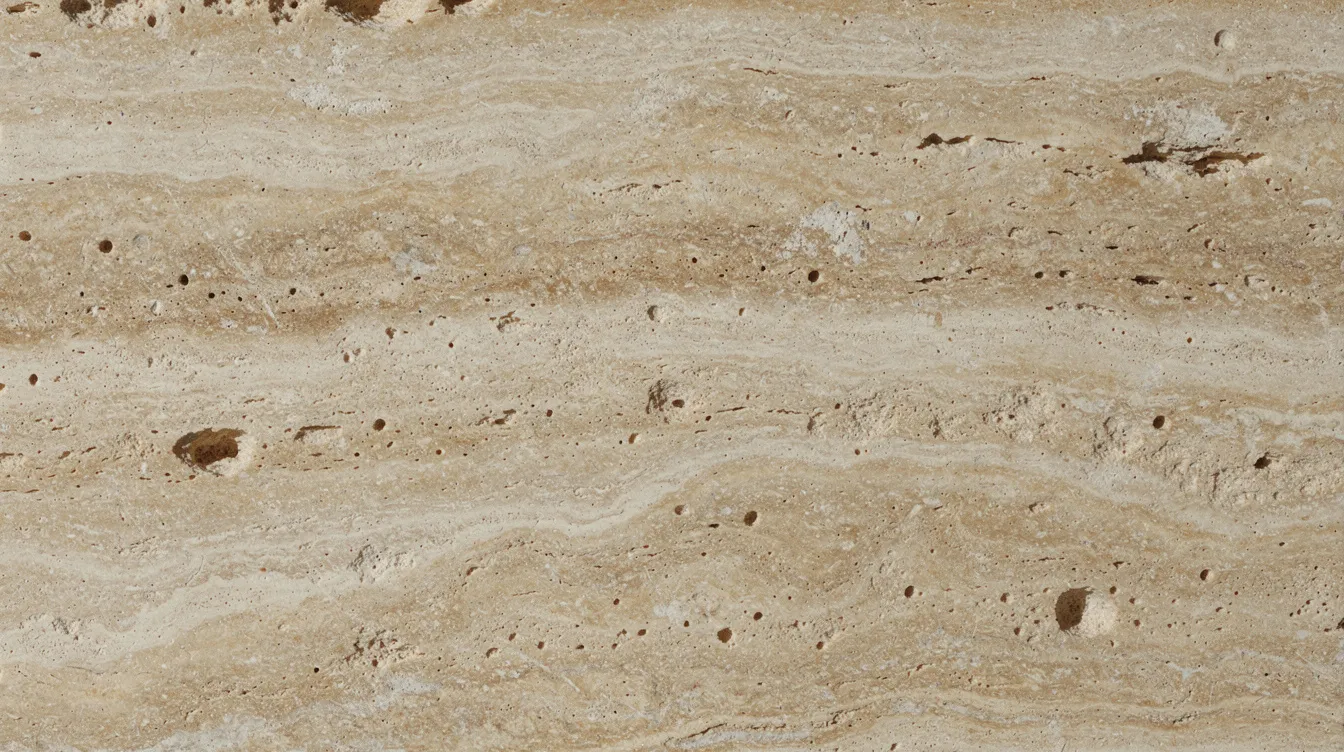
For homeowners, the distinction that matters most is between filled and unfilled travertine. Filled travertine has its pores sealed with resin or grout at the factory, creating a smoother surface that’s easier to clean and more comfortable under bare feet. Unfilled travertine leaves those natural holes exposed, adding rustic texture but requiring more careful maintenance. Travertine is also popular for indoor flooring and shower tiles in showers and bathrooms, and travertine countertops add elegance to kitchens, though they can stain easily without proper care.
The stone is denser and harder than many other sedimentary rocks classified as limestone, which makes it well suited for high traffic areas outdoors. It is also more environmentally friendly than marble and granite because it requires less energy-intensive processing. One practical note: travertine tiles are often thinner (around 3/8 to 5/8 inch) and suited for patios or indoors use, while travertine pavers are cut thick-typically 1¼ inches or more-for driveways, outdoor steps, and heavy foot traffic zones.
Why Queen Creek Homeowners Choose Outdoor Travertine
Queen Creek sits in a hot desert climate where average July highs reach around 104°F and many days push well past 110°F. Homeowners here use their outdoor areas almost year-round, which means every surface material needs to handle extreme UV exposure, rapid monsoon downpours, and constant barefoot traffic around pools.
Many homeowners chose travertine specifically because the stone stays significantly cooler underfoot than plain concrete, dark porcelain, or brick. Lighter shades of travertine reflect more sunlight, and the stone’s porous nature helps it dissipate heat faster once the sun drops. Phoenix-area pool owners consistently report that travertine decks feel more comfortable in summer compared to standard cool-deck coatings.
Travertine has natural slip resistance due to its texture, making it ideal around pools, misted patios, and outdoor showers. Tumbled and brushed finishes provide even more grip, which is critical for families with kids running between the pool and the house. The stone is often used in outdoor areas due to its durability-it doesn’t warp like some composite materials, won’t peel like coatings, and resists fading under Arizona’s relentless UV exposure.
The upscale, resort-style appearance of travertine also helps in a competitive housing market. Neutral tans, creams, and silver tones blend naturally with desert landscaping, stucco exteriors, and the warm architectural palette common across Queen Creek subdivisions. That visual coherence, combined with the material’s reputation, can support stronger resale value when it’s time to sell.
Where Is Travertine Mined and How Does It Reach Queen Creek?
Although travertine is a natural stone used extensively in the American Southwest, it is rarely quarried domestically. Almost all travertine used in Arizona is imported from overseas locations where large-scale deposits exist.
The main travertine mined regions include:
-
Turkey (especially the Denizli region) – one of the world’s largest exporters
-
Italy (Tivoli, near Rome) – the historic source of “Roman Travertine”
-
Mexico – a key supplier for the U.S. Southwest due to shorter shipping distances
-
Iran and Peru – growing sources for specific color varieties
U.S. import data from 2019 shows dimension travertine imports breaking down roughly as Italy at 32%, Mexico at 22%, and Turkey at 21% by value. Stone is also distributed through hubs in California and Texas before reaching Arizona suppliers.
The typical journey starts with massive blocks quarried from rock formations, then cut into slabs, sliced into tile or paver sizes, finished (surface treatment and edge work), and shipped to U.S. distributors. From there, local Arizona stone yards stock the material for contractors and homeowners. Reputable suppliers select denser, exterior-grade stone suitable for outdoor travertine flooring and pavers, which is important for durability in Queen Creek’s climate.
When you see product names like “Turkish Silver Travertine” or “Tuscany Beige Travertine,” those labels reference both the quarry origin and the stone’s color characteristics. Different deposits produce different tones and mineral patterns, so origin can affect both appearance and performance.
Types of Travertine Finishes and Textures for Outdoor Use
The same natural stone can look and feel entirely different depending on how its surface is processed. Choosing the right finish affects both style and safety in your backyard. Travertine is available in various finishes like polished and tumbled, plus several options in between.
-
Honed and filled – A smooth, matte surface with pores filled in. This finish is suitable for covered patios, outdoor dining areas, and anywhere you need a flatter surface for furniture stability. It’s easy to clean and comfortable underfoot, though it offers slightly less grip than textured options.
-
Tumbled – Rounded edges and a naturally worn texture that provides the best grip of any common finish. This is the top recommendation for pool decks, spa surrounds, and steps in Queen Creek backyards. The rustic look works well with desert and Mediterranean design themes.
-
Brushed – A subtle texture that falls between honed and tumbled. You get more traction than a honed surface without the fully rugged appearance of tumbled stone. It’s a strong compromise for homeowners who want refined aesthetics plus safety.
-
Chiseled edge – Adds a hand-cut, Old World character to the stone. Pairs well with fire pit surrounds, outdoor kitchen flooring, and desert landscaping accents.
-
Polished – A glossy, reflective finish that shows off veining and color vividly. However, polished travertine is usually reserved for indoors because it can become slippery when wet and shows water spots more readily. For most Queen Creek outdoor remodels, skip polished finishes on walking surfaces.
Popular Colors and Styles of Travertine for Backyard Remodels
Travertine features soft, earthy tones like ivory, tan, beige, gold, and brown-a palette that looks like it was designed specifically for desert living. Natural variation in travertine means color and texture can differ between pieces, which adds character and prevents the flat, manufactured look of engineered materials.
-
Light creams and ivories – Brighten smaller yards, reflect sunlight to keep surfaces cooler, and create a clean, modern resort look around pools. These are the coolest-performing shades in direct sun.
-
Beige and walnut tones – Warmer, more traditional colors that complement tan and brown stucco homes, Tuscan-style outdoor kitchens, and earth-toned landscapes. Walnut is a popular choice for homeowners who want depth and richness.
-
Silver and gray travertine – Cooler tones that pair well with contemporary designs, dark metal railings, and black-framed glass doors. These shades are trending in newer Queen Creek builds.
-
Patterns and formats – French pattern sets (a mix of four sizes laid in a repeating arrangement) create visual movement across large patios. Large-format rectangles like 16×24 or 24×24 help visually expand outdoor spaces and reduce grout lines. Your choice of patterns and best paver patterns for your home affects how spacious and intentional the design feels.
Best Places to Use Travertine in a Queen Creek Outdoor Space
When you plan the whole outdoor living area-pool, patio, walkways, and gathering zones-so travertine ties everything together, the result feels cohesive and intentional rather than pieced together.
-
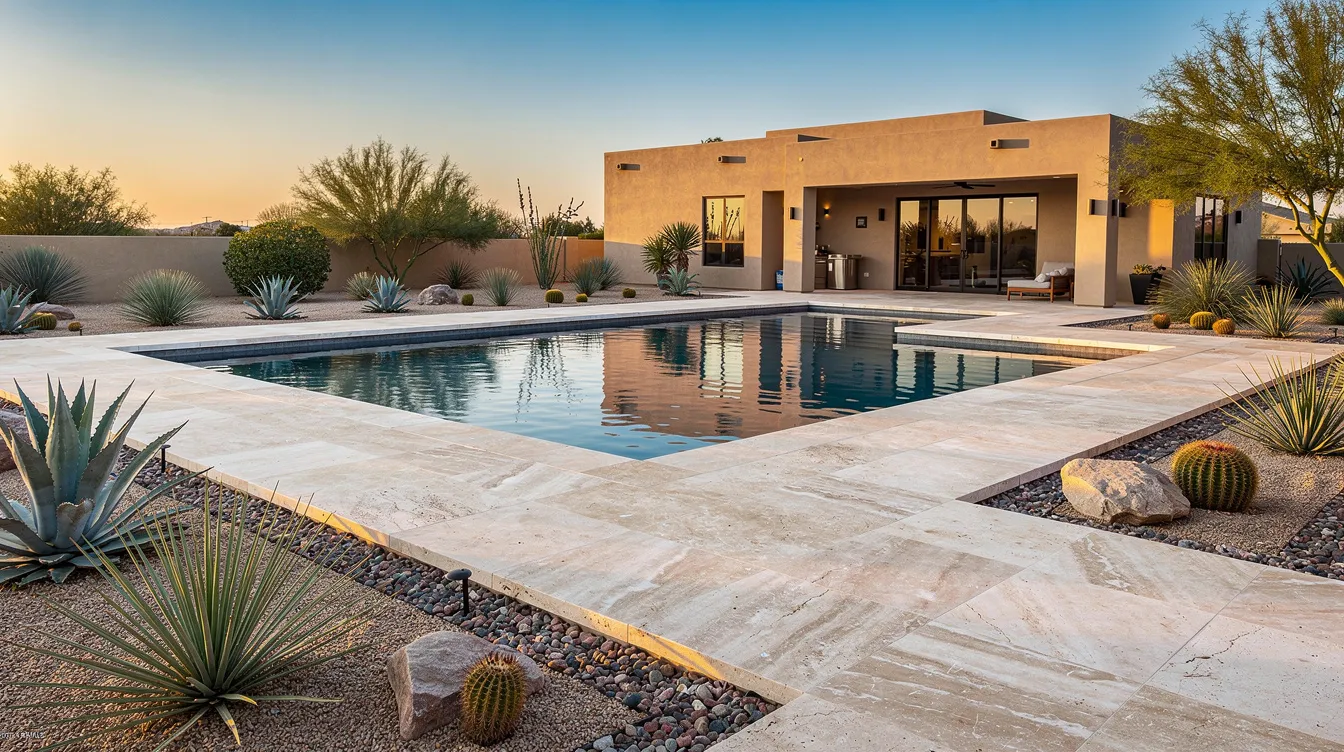
Pool decks – Travertine is used for pool linings and outdoor decks because it stays cooler, grips wet feet, and can be shaped into coping profiles that finish the pool edge cleanly. Tumbled travertine is the most common pick here.
-
Patios and covered outdoor rooms – Travertine flooring visually extends your indoor living room or kitchen into the backyard, creating one continuous flow. This is where honed and filled finishes shine, giving you a stable, smooth surface for dining tables and lounge furniture.
-
Walkways, entry paths, and side yards – Travertine pavers are suitable for driveways, garden paths, and outdoor steps, creating cohesive routes from front yard to backyard or from the house to detached casitas and sheds while complementing front yard landscaping in Arizona.
-
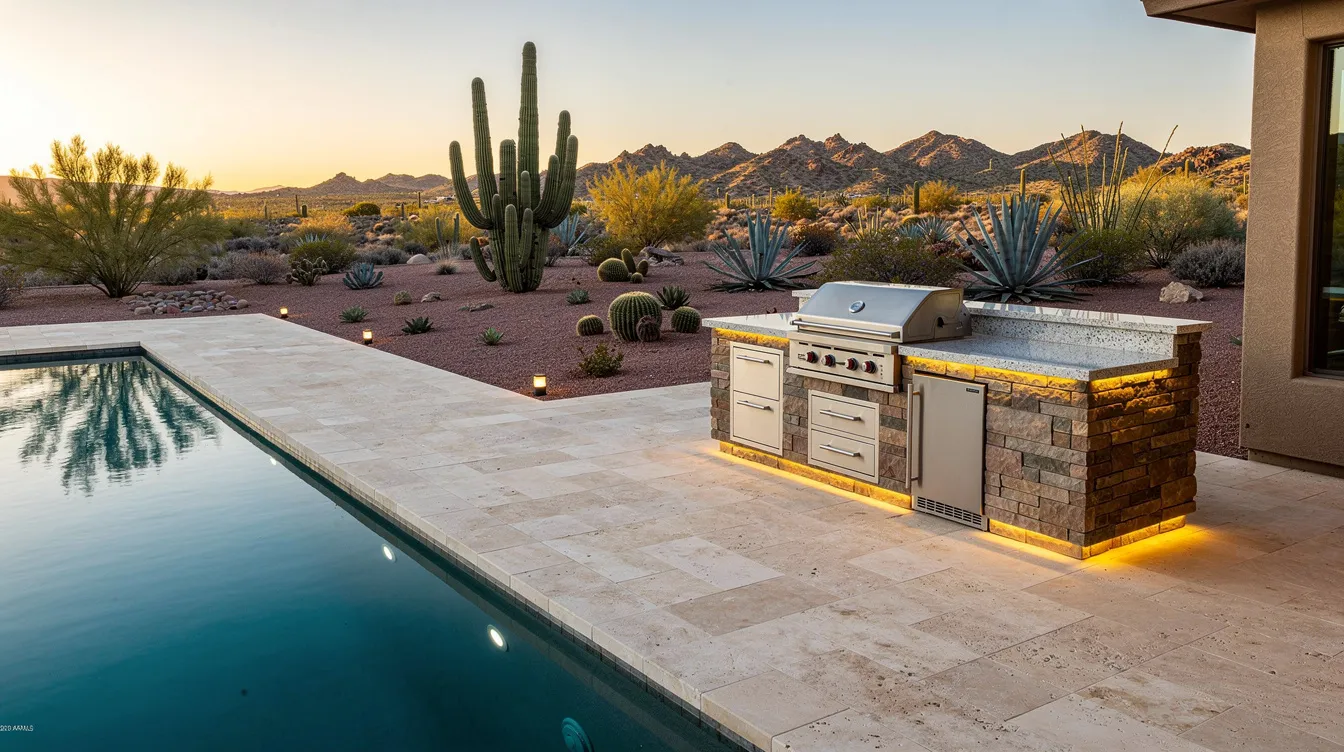
Outdoor kitchens and fire pits – Use travertine for both the flooring and vertical cladding on BBQ islands and fireplace surrounds. Travertine is used for wall cladding and facades to provide a high-end architectural finish, and applying it to vertical surfaces like walls around a cooking station unifies the design.
-
Steps, seating walls, and water features – Travertine is used for outdoor patios and stairways, and it works equally well as cap material on seating walls or as the face of a backyard water wall. These elements connect your hardscape into a single, polished outdoor space and pair beautifully with custom water features and fountains.
Pros and Cons of Outdoor Travertine vs. Other Materials
Travertine is one of several materials Queen Creek homeowners evaluate alongside concrete, porcelain tile, and manufactured pavers when considering broader landscaping ideas for Arizona backyards. Here’s an honest comparison.
Pros:
-
Naturally cooler underfoot than most alternatives
-
Timeless, upscale appearance that doesn’t go out of style
-
Slip-resistant textures in tumbled and brushed finishes
-
Adds perceived value to your home
-
Individual tiles or pavers can be replaced if damaged, without tearing out the whole surface
-
Travertine marble-like veining gives a luxury look at a lower price point than actual marble
Cons:
-
The porous surface requires regular sealing to prevent stains
-
Acid sensitivity means pool chemicals, citrus spills, and certain cleaners can etch the surface
-
Travertine costs more to install compared to standard concrete or basic pavers
-
In climates with freezing temperatures, water absorption can lead to cracking in travertine (not a concern in Queen Creek, but worth noting if you’re moving from a colder region)
Vs. poured concrete: Concrete is cheaper upfront but gets significantly hotter in summer, cracks more easily over Queen Creek’s expansive clay soils, and looks plain unless you invest in decorative coatings or stamping.
Vs. porcelain pavers: Porcelain is nearly non-porous and low maintenance, but it can feel harder and more artificial underfoot, may be slippery depending on the finish, and lacks the natural warmth of real stone.
Families who entertain often or want a “resort backyard” typically prioritize travertine’s aesthetics and comfort. It’s an excellent choice for anyone treating their home improvement project as a long-term investment rather than a quick fix.
Installation Considerations for Travertine Patios and Pool Decks
Professional installation is not optional if you want outdoor travertine to last in Queen Creek. The region’s expansive clay soils swell during monsoon season and shrink in dry periods, creating ground movement that can crack poorly supported stone.
-
Base preparation – A stable, well-compacted base of road base gravel or a reinforced concrete slab is essential. Without proper compaction, settling will cause tiles to loosen or crack within a few seasons.
-
Layout planning – Dry-lay tiles or pavers first to blend color variations from different pallets (a single pallet of travertine can weigh between 3,100 to 3,200 pounds) and plan cuts around edges, drains, and steps.
-
Installation methods – Two common approaches: setting travertine on a mortar bed over a concrete slab, or installing as dry-set pavers over compacted base and sand. Your contractor will recommend the best method based on your existing conditions and project scope.
-
Joint spacing and slope – Proper grout or polymeric sand between pavers prevents movement, and the surface must slope away from your home to shed water during monsoon storms. Poor drainage is one of the fastest ways to damage outdoor stone.
-
Sealing after installation – Once the stone has cured, apply a penetrating sealer rated for exterior use. This protects against moisture, salt build up, and staining from day one. Travertine is durable when properly installed and can last for decades with the right foundation.
Cleaning and Maintaining Outdoor Travertine in Arizona’s Climate
Day-to-day care for outdoor travertine is straightforward. Sweep or blow off dirt and debris regularly, and rinse with a garden hose as needed. That covers most weeks.
-
Cleaners – Use pH-neutral cleaners for cleaning travertine. Avoid vinegar, citrus-based soaps, and harsh chemicals. Acidic substances can etch the surface of travertine, dulling its finish permanently.
-
Spills – Immediate spill cleanup prevents staining on travertine. Blot food, drinks, and sunscreen quickly, rinse with clean water, and clean gently. Travertine is sensitive to acidic substances and can stain easily if spills sit.
-
Sealing schedule – In Queen Creek, plan to reseal every one to three years for pool decks and full-sun areas. Shaded patios may stretch longer. Some manufacturers recommend you seal travertine every three to five years for lower-traffic zones. A simple test: if water no longer beads on the surface but soaks in, it’s time to reseal.
-
Repairs – Minor chips or holes can be filled with travertine repair filler. Individual pavers can be swapped out without demolishing the surrounding area, and broader landscaping FAQs can help you decide when to call a professional.
-
Professional cleaning – For heavily used entertainment spaces, periodic professional deep cleaning and resealing keeps the stone looking fresh. With regular care and proper maintenance, travertine can last well over 25 years outdoors.
Cost Factors for Travertine in a Backyard Remodel
Budgets vary widely depending on the size of your project, existing site conditions, and the grade of stone you select. Here’s what drives the numbers:
|
Cost Component |
Typical Range |
|---|---|
|
Travertine tile/paver material |
$3 to $30 per square foot |
|
Travertine pavers specifically |
$9 to $17 per square foot |
|
Professional installation labor |
$5 to $15 per square foot |
|
Base prep, demolition, grading |
Varies by site |
|
Coping and edge details |
Additional per linear foot |
|
Prices fluctuate based on availability of limestone and global shipping costs. Rarer colors and thicker cuts cost more. Common add-ons include demolition of existing concrete, new slab work, drainage improvements, and pool coping. |
|
Professionally installed travertine in a Queen Creek backyard is an investment, but one that can last decades and often enhances resale value. Gather detailed, written quotes that separate materials, labor, and prep so you can compare options clearly across contractors.
Design Tips for a Cohesive Queen Creek Outdoor Travertine Space
Think of your backyard as an extension of your indoor living area-a room without a ceiling. The more intentional your design, the more you’ll use and enjoy it.
-
Stick to one color family for the majority of your space, then vary finishes or tile sizes to define different zones. Use tumbled for the pool deck, honed for the dining patio, and a complementary stone for moldings or trim on vertical elements.
-
Coordinate with your home’s exterior. Match travertine tones to your stucco color, roof tiles, and interior flooring so the transition from indoors to outdoors feels seamless rather than jarring.
-
Integrate landscaping thoughtfully. Pair warm beige travertine with Arizona native plants in your landscape like agave, palo verde, and bougainvillea. Add accent boulders or decomposed granite beds to create contrast and frame the stone.
-
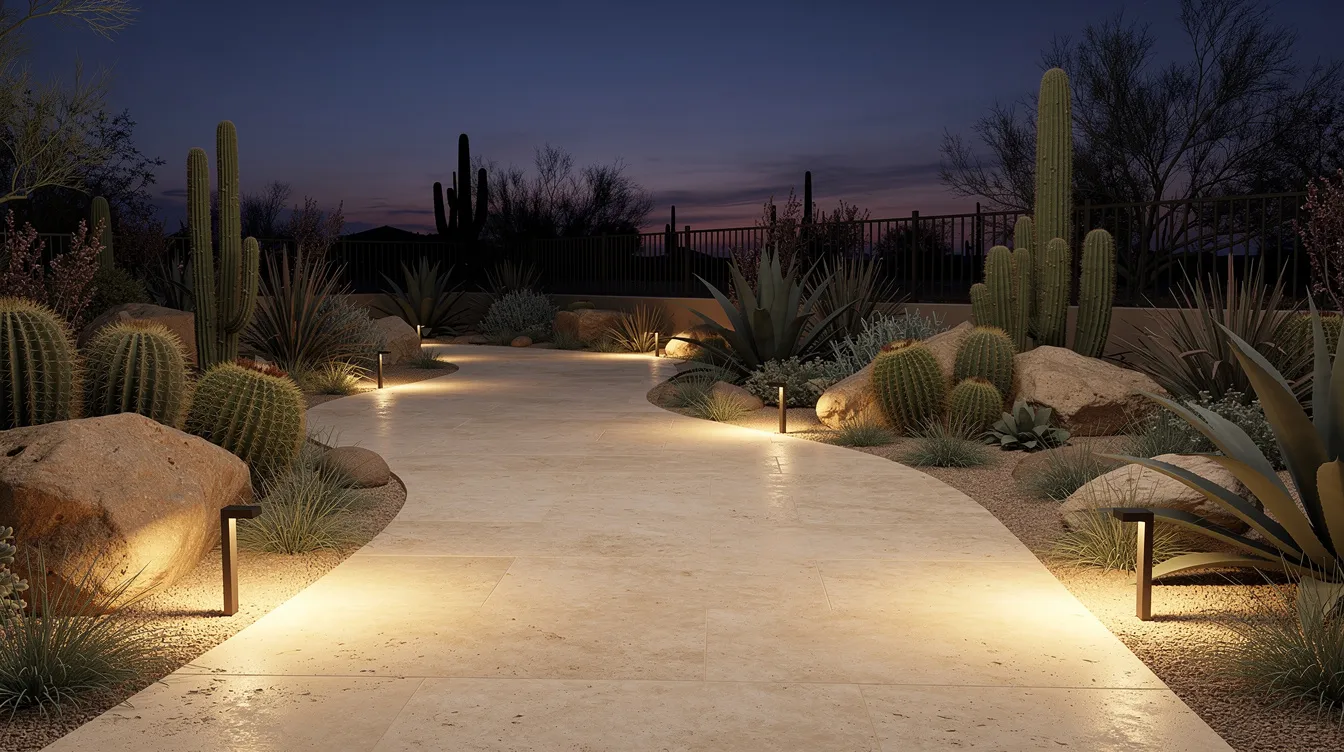
Light your hardscape. Low-voltage path lights and step lights highlight the texture and veining of the natural stone at night, creating an entirely different atmosphere after sundown.
-
Mix in vertical elements. Stone-clad BBQ islands, fireplace surrounds, and seating walls made from matching travertine make the design feel intentional. These applications also work in commercial buildings and high-end residential projects throughout the Southwest.
Is Travertine the Right Choice for Your Queen Creek Backyard?
Travertine makes the most sense in specific scenarios. Here’s a quick decision guide:
Travertine is ideal when:
-
You’re doing a resort-style pool remodel or adding a spa
-
You want a high-end patio expansion or outdoor kitchen
-
Resale value and curb appeal are priorities
-
You enjoy entertaining outdoors and want a surface that’s both safe and beautiful
Another material might fit better if:
-
Your budget is extremely tight and concrete is the only realistic option
-
You want zero maintenance and are unwilling to reseal periodically
-
The area is exposed to constant chemical spills or industrial use
Consider how often you use your backyard, how long you plan to stay in your home, and what design goals matter most. Even a modest travertine patio can transform the feel of your outdoor space compared to aging concrete.
If you’re ready to move forward, consult a local Queen Creek outdoor living or hardscape professional. They can evaluate your space, assess soil and drainage conditions, offer custom 3D landscape design services in Queen Creek, and provide specific travertine options with a written estimate tailored to your yard and budget.
FAQ: Outdoor Travertine for Queen Creek Backyards
Will travertine get too hot to walk on in Queen Creek summers?
Travertine typically stays cooler underfoot than plain concrete, brick, or many darker porcelain tiles, especially in lighter colors like ivory and cream. Any surface will get warm when ambient temperatures exceed 110°F, but travertine’s natural stone composition and porous structure help it release heat more quickly once the sun moves or sets. Choosing lighter shades and adding shade structures like pergolas or umbrellas in seating areas maximizes barefoot comfort during peak summer.
Is travertine safe to use around a saltwater pool?
Travertine can be used around both chlorinated and saltwater pools, but proper sealing and regular maintenance are even more critical with salt systems. Salt splash-out can cause white deposits or surface pitting on unsealed stone over time. Use a high-quality penetrating sealer rated for salt exposure, rinse the deck periodically to minimize salt build up, and follow your pool builder’s and stone supplier’s specific guidelines for creating a long-lasting installation.
How often does outdoor travertine need to be sealed in Arizona?
Plan on every one to three years in Queen Creek for high-exposure areas like pool decks and full-sun patios. Shaded areas and lower-traffic walkways may go longer. A simple water-drop test works well: place a few drops of water on the stone, and if the water soaks in rather than beading on the surface, it’s time to reseal. Consistent sealing is the single most important factor in protecting your investment.
Can I install travertine pavers over my existing concrete patio?
In some cases, travertine can be installed over sound, properly sloped concrete using a mortar bed. However, cracked, heaving, or poorly sloped slabs are not suitable candidates for an overlay. Before committing, check door clearances, step heights, and drainage patterns-adding an inch or more of stone on top of existing concrete changes all three. Have a professional evaluate the existing slab to determine whether overlaying with travertine tile or pavers is structurally appropriate for your specific project.
Does outdoor travertine chip or crack easily?
Travertine is a durable natural stone, and when installed over a properly compacted base or reinforced slab, it holds up well under typical backyard use. The most common causes of chips or cracks are dropped heavy objects (like a cast-iron grill grate), ground movement from inadequate base preparation, or freeze-thaw cycles in colder climates. In Queen Creek, freezing is rarely a concern. If damage does occur, individual tiles or pavers can be replaced without tearing out the entire patio or pool deck-one of travertine’s practical advantages over poured surfaces.
