

Are you a homeowner, renter, or DIY enthusiast looking to make the most of your outdoor space? This guide is designed specifically for you. Transforming your backyard isn’t just about aesthetics—it’s a smart investment that can increase your home’s value, enhance your lifestyle, and create a welcoming environment for entertaining, relaxation, and family fun. Whether you have a compact city patio or a sprawling country lot, the right backyard ideas can turn any yard into an outdoor living oasis tailored to your needs and budget. By making thoughtful improvements, you can enjoy more time outdoors, host memorable gatherings, and create a personal retreat that reflects your style and supports your daily life.
Key Takeways
- Smart backyard landscaping and simple DIY upgrades can turn backyards into an outdoor living room, whether you have a small backyard patio or a full pool deck.
- Most ideas below are realistic weekend projects using 2024–2026 materials like modular decking, solar lighting, pea gravel, planters, and stock tank pools.
- This guide covers zoning, hardscape, planting, a fire pit, outdoor kitchen, water feature, and decor so homeowners can mix ideas by budget.
- Tips work for compact city backyards and larger country lots, with climate, maintenance, kids, pets, and regulations in mind.
- The article ends with a practical FAQ on cost, patio surfaces, privacy, permits, and fast party upgrades.
Start with a Backyard Plan (Even for Small Spaces)
A successful 2026 yard starts with a hand-drawn plan, not impulse furniture. Measure the site: a 30×40 ft suburban property, a 15×20 ft small backyard, or a sloped backyard behind the house. Sketch doors, fence lines, mature trees, shed, roof overhangs, bushes, and views toward neighbors.
- Pick 2–3 functions: dining, kids, pets, garden area, quiet retreat, or entertaining.
- Assign rough zones: 30% patio, 40% lawn/play, 30% plants, and think about how your backyard layout relates to front yard landscaping in Arizona or your region so the whole property feels cohesive.
- Track sun at 10 a.m., 2 p.m., and 6 p.m. in July before placing seating, a pool, or a fire pit.
- Plan paths first with gravel, decorative paver patterns, brick, deck boards, or lawn strips so landscaping ideas feel intentional.
Create Functional Backyard Zones
Outdoor rooms make even a 20×20 ft space feel bigger. Creating defined zones in a small backyard can enhance functionality, allowing for areas dedicated to dining, lounging, or gardening. In hot, dry regions, Arizona backyard landscaping ideas that rely on gravel, pavers, and drought-tolerant plants can help these separate sections feel both comfortable and sustainable.
- Put the dining area near the house.
- Set a lounge around a fire pit in a corner.
- Run a play or garden zone along one side fence.
- Use pea gravel for heat zones, pavers or composite deck boards for dining, and groundcover for kids. Creating defined zones in your backyard using natural materials like gravel can enhance functionality without a large budget.
- Add low planters, container groupings, or slatted screens.
- Choose one focal point per zone: café lights, a sculptural tree, or a raised vegetable bed.
Backyard Landscaping Basics: Plants, Privacy, and Low Maintenance
Thoughtful planting gives structure, privacy, and visual interest. Using low-maintenance and native plants can help keep landscaping costs down while ensuring a healthy garden.
Choosing Plants
- Choose climate-right plants: lavender and sage in Arizona low-maintenance landscapes, hydrangeas and hostas in Wisconsin, evergreen screens in the Pacific Northwest.
- The Audubon Native Plants Database helps find native plants suitable for local ecosystems, and the National Gardening Association offers region-specific gardening guides.
Layering and Privacy
- Layer the landscape: trees or tall shrubs at the fence, perennials in front, mulch at paths.
- Use 6 ft fences where allowed, Miscanthus grasses, trellised vines, or bamboo in tall planters.
Watering and Mulch
- Group plants by water needs, use drip irrigation, add organic compost, and apply a 2-3 inch layer of gravel or mulch for Arizona landscapes to retain moisture and suppress weeds.
- Deep, infrequent watering encourages deep root growth; water early in the morning to reduce evaporation.
Designing a Small Backyard That Lives Large
City backyards in Chicago or Brooklyn can be 12×18 ft, so every piece must earn its space.
- Use built-in benches along fences; using multi-purpose furniture, such as a dining bench that also serves as storage, can maximize space in a small backyard.
- Pick folding tables and stackable chairs that shift from breakfast to dinner party.
- Add wall planters, trellises, or a living wall; incorporating vertical planting can create eye-catching focal points in your garden, making use of limited space while adding visual interest, especially when paired with durable steel or Alumawood pergola structures for shade.
- Incorporating mirrors in a small backyard can create the illusion of a larger space and enhance the overall aesthetic.
- Keep a palette of natural wood, white, and one accent color.
Outdoor Living Essentials: Dining, Lounging, and Shade
Outdoor living can add an extra room for summer and shoulder seasons.
- Buy a table sized to daily life, not fantasy. Add comfortable chairs and a durable outdoor rug.
- For lounging, use an L-shaped sofa or two chairs plus a loveseat, with side tables for every drink.
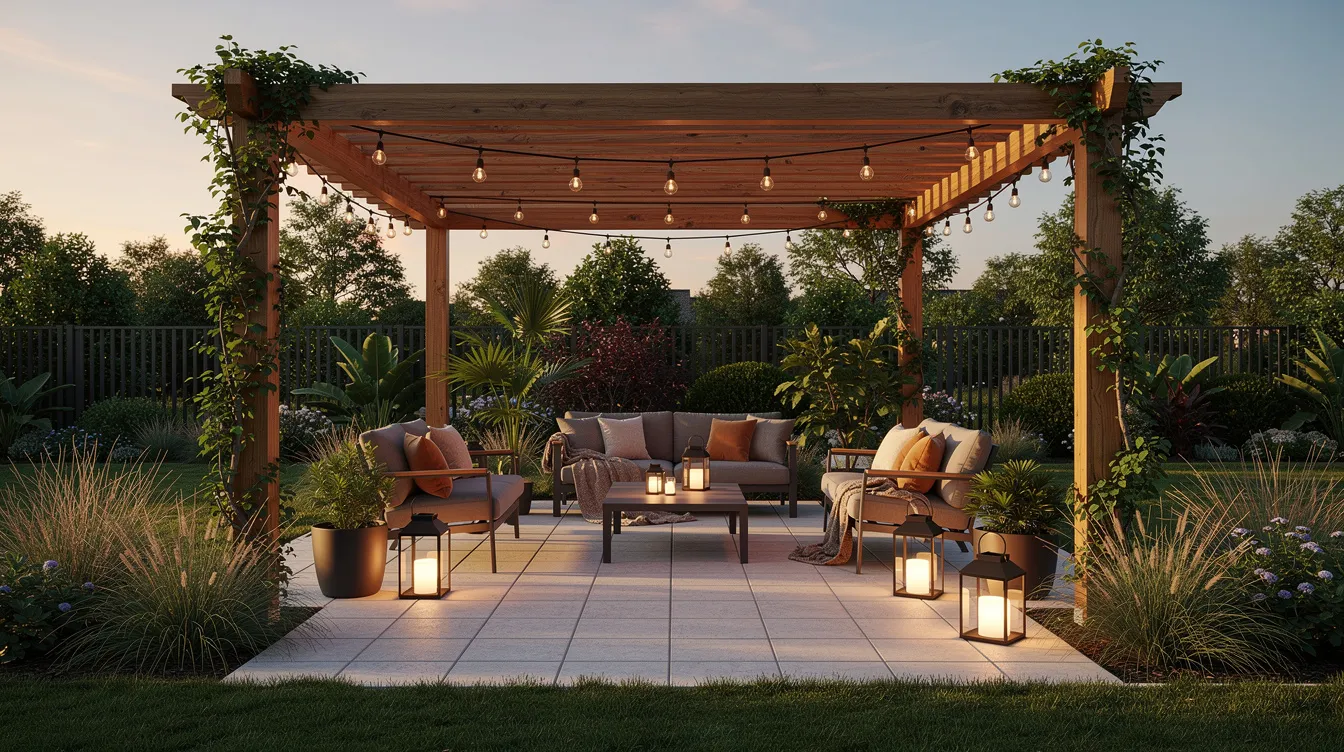
- Create shade with umbrellas, awnings, a pergola, or a covered patio. Professionally designed custom pergolas and shade structures can extend comfort into the hottest hours. Quick-dry cushions, washable throws, and outdoor lamps make the space more inviting and functional.
Backyard Lighting Ideas for Evenings and Entertaining
Layered lighting improves safety and mood. Adding mood lighting, such as string lights or colorful LED fixtures, can significantly transform the ambiance of an outdoor space, making it more inviting for evening gatherings.
- Use overhead string lights, task sconces near doors and the outdoor kitchen, and accent lights on trees or a water feature.
- Choose warm white LEDs, about 2700–3000K.
- Add smart outdoor plugs or timers. Incorporating mood lighting, such as string lights or colorful LED lights, can significantly enhance the ambiance of your outdoor entertaining space, making it more inviting for guests.
Fire Pits and Outdoor Heat Sources
A fire pit extends the season and gives family and guests a natural hub.
- Try a wood-burning kit on gravel, a gas bowl with hidden propane, or a built-in gas pit. Keep at least 10 ft from structures and fences, use non-combustible materials, and check city or county burn rules; guidance varies, but fire pit safety commonly starts with clearance.
- Arrange Adirondack chairs, stools, or low walls. For balconies, consider electric heaters or tabletop ethanol units.
Outdoor Kitchen and Grill Setups
A full outdoor kitchen is optional; a good grill station can transform food and entertaining.
- Start with a grill, prep cart, and weatherproof drawers.
- Upgrade to a semi-built island, then add sink, fridge, porcelain or natural stone counters, and stainless appliances.
- A compact wood-fired oven, flat-top, or smoker earns the pizza oven credit. Setting up an outdoor bar and grill can create a central hub for entertaining, allowing guests to enjoy food and drinks while socializing in a relaxed atmosphere.
Pool Decks, Stock Tank Pools, and Plunge Pools
Not every backyard fits a backyard swimming pool, but water still brings a resort lifestyle.
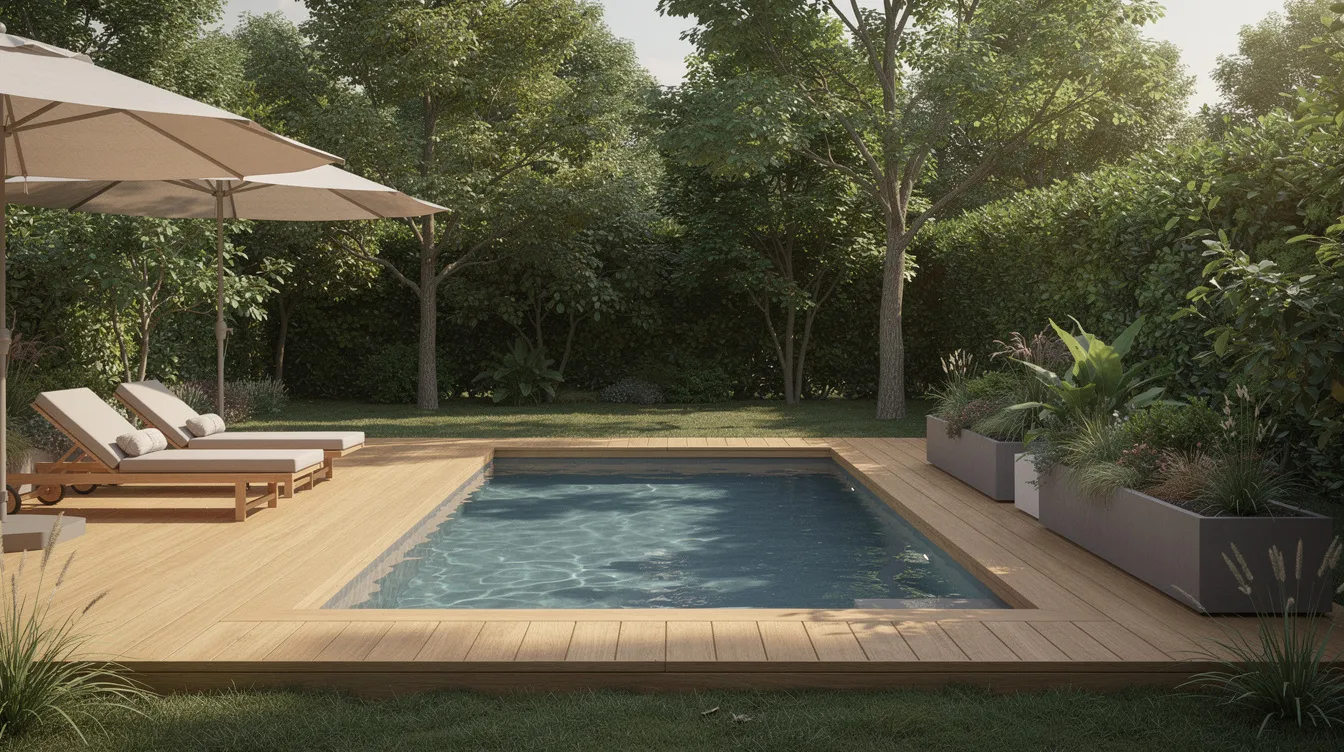
- Wrap an above-ground pool with wood or composite decking and integrated steps.
- DIY projects, such as building a fire pit or creating a stock tank pool, can significantly reduce landscaping expenses. Stock tanks often cost far less than in-ground pools, but need leveling, filtration, and code checks.
- Consider a 6×10 ft plunge pool with benches. Use non-slip pool deck surfaces, locking gates, and local permits.
Incorporating Water Features for Sound and Calm
A water feature can mask traffic and become a calming focal point. Incorporating a water feature, such as a pond or fountain, can enhance the tranquility and aesthetic appeal of a backyard, attracting beneficial wildlife like birds and butterflies.
- Use ceramic fountains, wall spillways, or small ponds with aquatic plants. Place them where they can be seen from indoor rooms, away from heavy leaf fall. Clean pumps, top up water, and use netting in autumn.
Kid-Friendly and Pet-Friendly Backyard Ideas
A stylish yard can still be fun.
- Add compact play sets, sandbox corners, chalkboard fence panels, or swings under a deck.
- Use clover lawn, durable turf, shady bowls, and pea gravel potty zones. Choose non-toxic plants, soft landing surfaces, pool locks, and pet-safe de-icer on walkways in winter. Keep one open rectangle for kids, tents, and games.
Backyard Décor, Color, and Style Choices
Pick a style-modern, rustic, coastal, or boho-before you decorate.
- Mix woven lanterns, concrete planters, metal tables, striped rugs, terracotta pots, hanging baskets, and performance fabrics. Repaint old furniture instead of replacing it. A new york times-worthy photo usually comes from restraint: greenery, texture, one accent color, and a clear view.
Budgeting and DIY vs. Hiring Help
Backyard projects range from affordable refreshes to major builds. Under $1,000 can cover paint, solar lights, planters, and basic furniture. A $2,500–$5,000 budget can create a gravel seating area, small deck, planting, or fire pit. Larger outdoor kitchens, plunge pools, and structural decks can run tens of thousands, so exploring flexible landscape financing options may help spread out costs.
DIY planter boxes, gravel patios, simple pergolas, and stock tanks are realistic. Hire pros for gas, electrical, structural decks, and major drainage. Get two quotes, review reputable landscaping FAQs and planning guidance, and check permits before work. Phase your dream over three summers: layout, planting and lighting, then luxury additions.
Backyard Maintenance and Seasonal Use
Maintenance keeps backyards usable.
Seasonal Maintenance Tasks
Spring
- Clear away dead leaves, twigs, and debris to prevent pests and fungal diseases.
- Prune dead growth and trim ornamental grasses before new buds form.
Summer
- Mow high: keep grass at an optimal height of 3.5 to 4 inches to protect soil and minimize evaporation.
Fall
- Rake up falling leaves to prevent smothering of the lawn.
- Shred leaves to use as mulch or add them to a compost pile.
- Plant spring-blooming bulbs and divide overgrown perennials.
Winter
- Wrap delicate shrubs in burlap to protect them from snow and ice.
- Gently remove heavy snow from evergreen branches to prevent breakage.
- Apply a fresh, thick layer of winter mulch over sensitive root systems.
- Plan winter gardening activities, such as mapping out next year’s garden and ordering seeds.
Garden Accessibility and Greenhouse Use
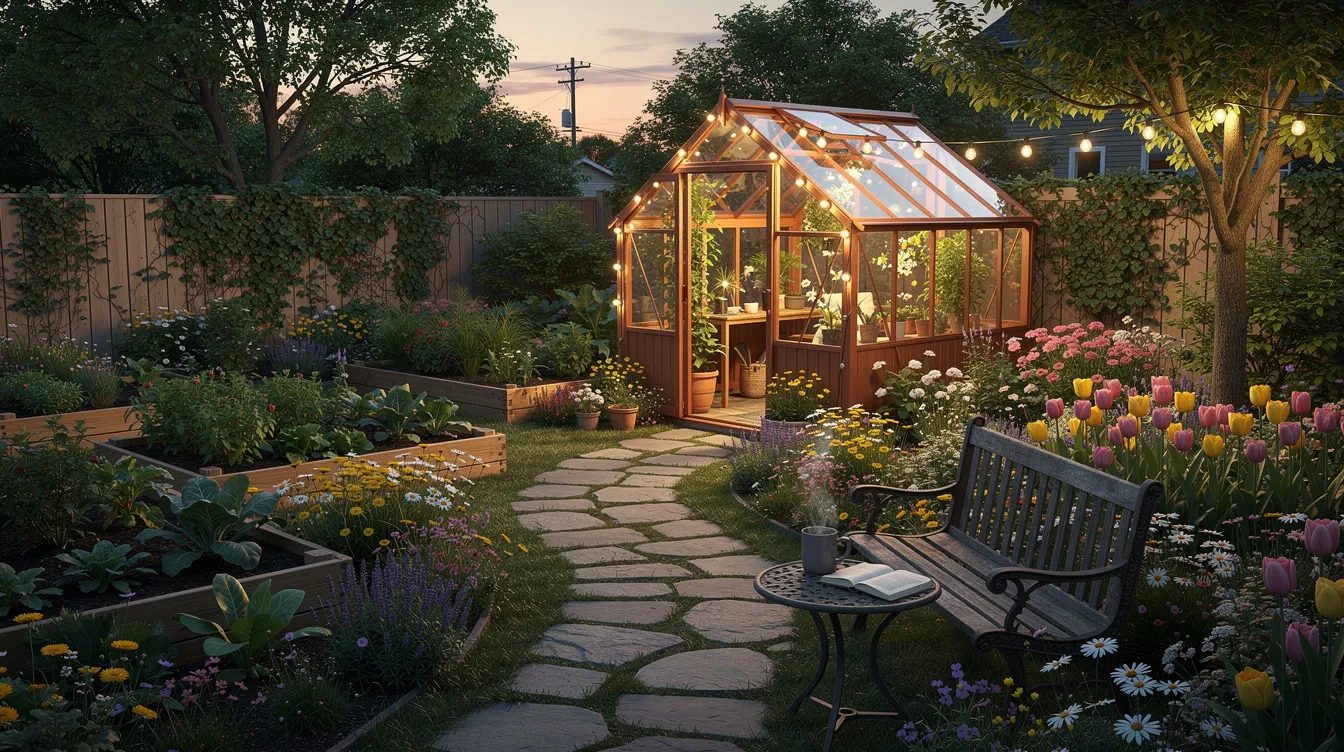
A garden plot accessible from several angles allows easier tending to plants and crops. A multi-purpose greenhouse can provide an extra hangout spot in your backyard, allowing more possibilities to enjoy the space even in less favorable weather.
FAQ
How much does a basic backyard makeover cost in 2025–2026?
A simple refresh often costs under $1,000: pressure washing, paint, string lights, planters, and a small picnic table. A mid-range upgrade may cost $2,500–$10,000 for pavers, planting, seating, or a DIY fire pit.
Full renovations with a covered patio, outdoor kitchen, pool, or structural deck often start around $25,000 and can exceed $100,000 depending on region, materials, and permits.
What is the best surface for a low-maintenance backyard patio?
Poured concrete is affordable but can crack. Large concrete pavers are easier to repair. Porcelain pavers are durable and low maintenance. Composite decking resists rot but may get hot. Pea gravel is affordable and permeable but shifts.
For most homeowners, large pavers or porcelain pavers offer the best balance of style and upkeep.
How can I add privacy if my neighbors are very close?
Use 6 ft fences where code allows, freestanding screens, tall planters with grasses, or pergolas with curtains. In small backyards, vertical greenery often adds privacy without making the space feel boxed in.
Do I need a permit for a deck, pergola, or pool in my backyard?
Often, yes. Many cities require permits for decks attached to the house, raised decks, roofed pergolas, electrical runs, gas lines, and permanent pools. Check your local building department and HOA before installation.
What are some fast upgrades if I’m hosting a backyard party this weekend?
- Sweep or pressure-wash surfaces
- Add string lights
- Group potted plants
- Set up a drink station
- Clear traffic paths
- Arrange seating first
Those changes enhance comfort quickly and make spending time outside easier for guests.
