
Introduction
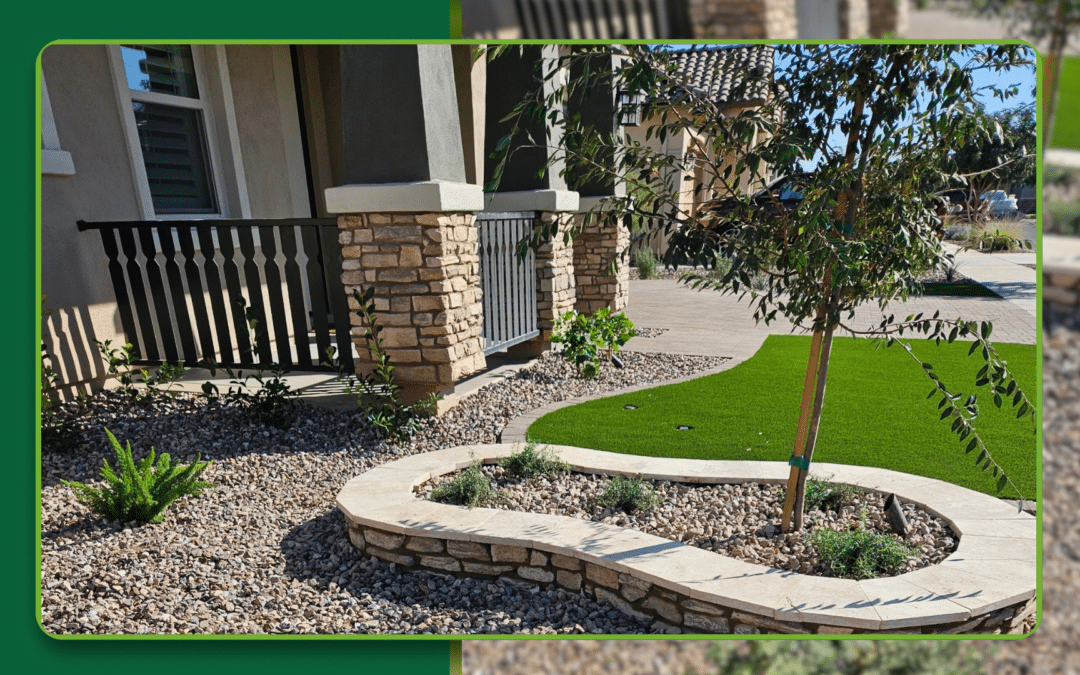
This guide is designed for homeowners and property managers looking to transform their outdoor spaces through professional or DIY landscape installation. We’ll cover every step from planning and site preparation to installation, finishing touches, and ongoing maintenance. Whether you’re seeking to boost property value, enhance curb appeal, or create a sustainable garden, this guide will help you achieve a successful landscape installation.
Key Takeaways
-
A successful landscape installation follows a clear sequence: planning, site preparation, hardscape, planting, then finishing touches
-
Permanent hardscape features like patios, walkways, and retaining walls must be installed before any plants or lawn
-
Soil preparation, irrigation system planning, and selecting climate-appropriate plants are essential for a healthy landscape
-
A well-installed outdoor space can boost property value by 10-20% and remain functional for 15-25 years with regular maintenance
-
Decide early whether to DIY portions of the project or hire professionals for structural, electrical, and gas-related work
-
Proper planning and execution are essential for a successful landscape installation.
Safe & Easy Landscape Installation
Landscape installation is the comprehensive process of transforming an outdoor space from a design plan into a physical, living landscape. Landscape installation is the process of transforming a design plan into a fully realized outdoor space. This involves both softscape elements—plants, lawn, and mulch—and hardscape features like patios, walls, paths, and lighting. Hardscaping refers to the non-living elements in a landscape, like pathways, patios, retaining walls, and lighting. Softscape elements include trees, shrubs, flowers, turf/sod, and decorative mulch. Integrating style into your landscape installation is essential for enhancing the visual appeal and harmony of your outdoor space. When done properly, these elements work together to create a cohesive, functional environment.
Proper planning and execution are essential for a successful landscape installation. “Safe and easy” means following a logical order of work, using proper tools, and respecting building codes, utilities, and natural drainage patterns. A properly installed landscape blends trees, shrubs, stone pavers, and lighting into one unified design rather than a collection of disconnected projects.
Consider this transformation: a 1990s lawn-only front yard becomes a 2026 low-water design featuring a paver walkway, native shrubs, and LED path lights—reducing water waste by 60% while adding visual interest and safety.
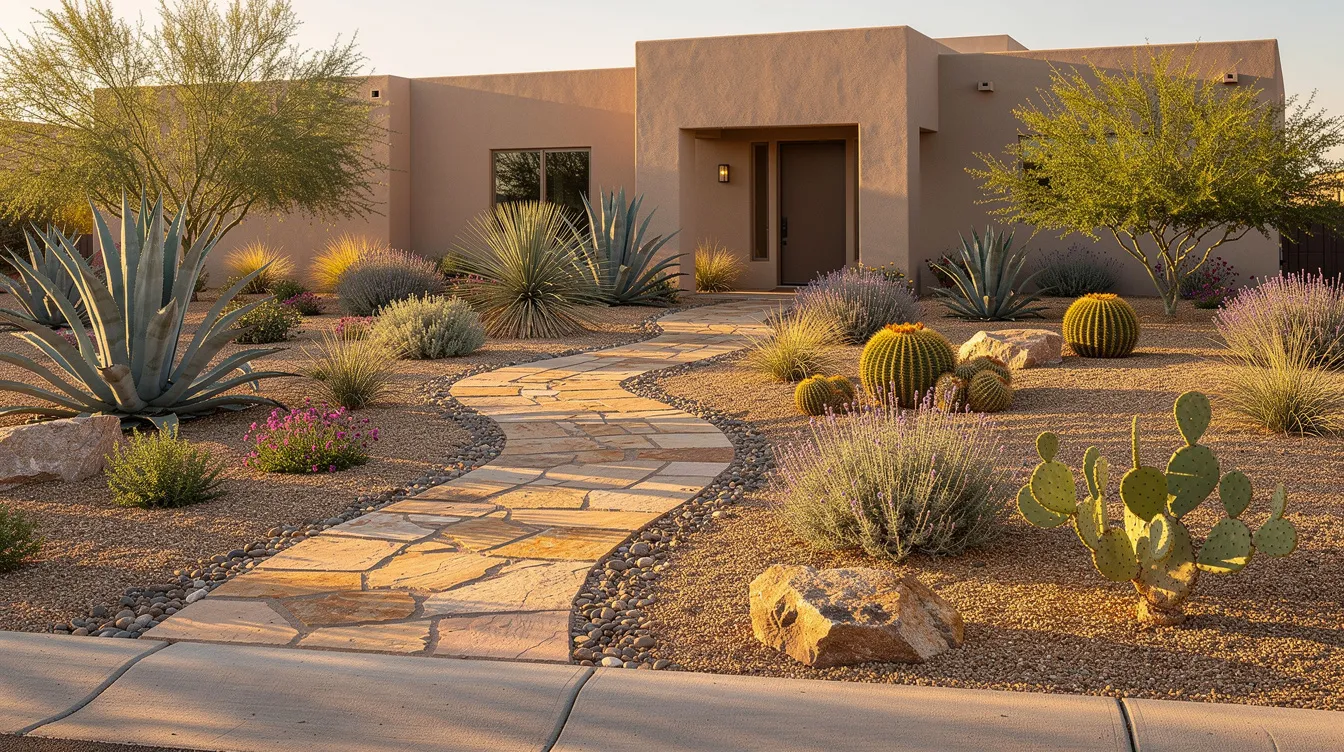
For inspiration and creative ideas, consider visiting a garden gallery or similar resource to spark your creativity for your own landscape installation project.
Pre-Installation Preparation
Proper preparation typically consumes 20-40% of total project time but prevents costly mistakes that can cost 2-5 times more to fix later. This stage includes finalizing your design, checking property lines and utilities, confirming budget and timeline, and gathering materials, often in collaboration with experienced landscape designers.
A scaled drawing helps calculate material quantities for pavers, mulch, plants, and irrigation. Check local permitting rules—structures like retaining walls over 3-4 feet often require engineered plans and inspections.
Double-Check Your Project Plan
Create a final plan listing all hardscape (patio, paths, steps, walls, drainage) and softscape (trees, shrubs, perennials, lawn) elements by name and quantity. Measure your site carefully, noting elevation changes, doors, windows, hose bibs, and existing features.
Confirm plant choices by checking mature size, light needs, and water requirements against your actual site conditions—sun hours, soil type, and USDA hardiness zone. Call 811 at least 2-3 business days before any digging for utility marking.
Your checklist should cover budget confirmation with 10-15% contingency, material lead times (pavers often need 2-4 weeks), and seasonal timing—fall planting leverages 20-30% higher root growth from cooler soils.
Clean-Up & Site Preparation
Site preparation begins with clearing old turf, invasive shrubs, broken concrete, and debris. For lawn removal, sod cutting works well for immediate results, while sheet mulching with cardboard and compost offers an eco-friendly approach over 4-6 months.
Establish proper grading with a gentle 1-2% slope away from buildings to prevent water pooling near foundations. Compact base soil where hardscape will go while keeping planting beds looser to receive compost amendments.
Stockpile and reuse on-site materials—topsoil, boulders, and existing pavers—to reduce costs and waste by up to 50%.
Order of Operations for Tackling Installation
Following a clear sequence prevents rework and damage to completed areas. The typical order flows:
-
Rough grading
-
Utilities and drainage
-
Hardscape
-
Irrigation
-
Planting
-
Mulch and lawn
-
Lighting and decor
Work “from big to small” and “from back to front” to keep access routes open for machinery and materials. The common mistake of planting first, then tearing up beds to add patios or irrigation later, leads to 30% plant losses.
Start With Permanent Hardscape Features
Focus first on durable structures: concrete or paver patios, decks, walkways, retaining walls, steps, and built-in features like an outdoor kitchen or fire pit. Installation begins with excavation and base preparation—removing soil, adding compacted gravel, and checking levels.
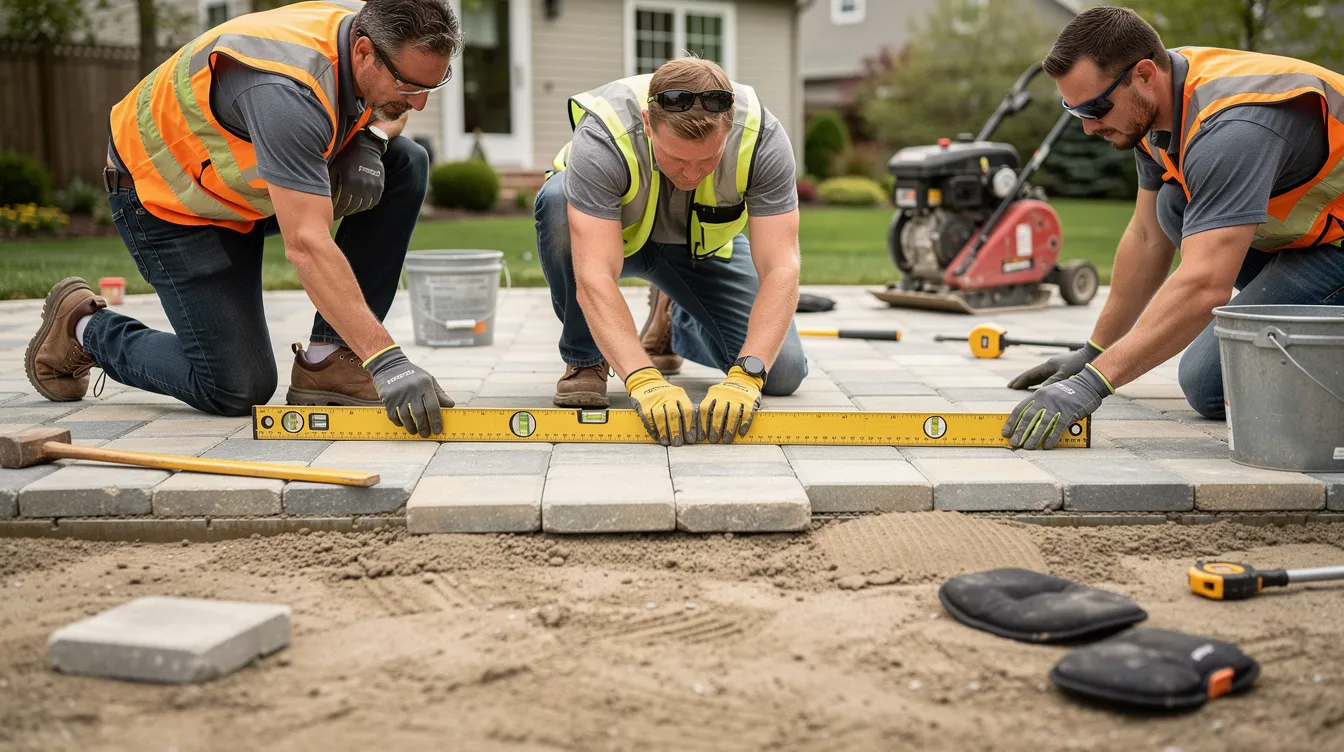
Structural elements like walls over 3 feet, pergola footings, or gas lines require licensed contractors and inspections. For example, a 12×16-foot paver patio needs a 6-inch compacted base, edge restraints, polymeric sand joints, and proper slope for water runoff.
Complete all heavy work before delicate plantings to avoid damage from equipment and materials.
Planting and Softscape Installation
Softscape includes trees, shrubs, perennials, ornamental grasses, groundcovers, and lawn. Begin by improving soil in planting beds with 2-4 inches of compost incorporated into the top 6-8 inches—this boosts plant survival rates by 30-50%.
Install or test your irrigation system at this stage: drip lines for beds (1 gallon per hour emitters), efficient spray heads for lawn areas, with separate zones for different water needs. The planting order matters: trees first, then shrubs, then perennials and groundcovers, spacing based on mature size.
Set trees at grade, remove circling roots, water deeply after planting, and apply 2-3 inches of mulch while keeping it away from trunks to thrive long-term.
Finishing Touches and Detailing
Final details transform a functional installation into a polished, inviting garden. Common finishing elements include landscape lighting, decorative gravel, metal edging, container plantings, and furniture arrangements that define your lifestyle zones.
Apply bark mulch or decorative rock for weed control, soil moisture conservation, and visual definition of planting beds. Conduct a final walkthrough to adjust irrigation runtimes, straighten paver lines, and replace any damaged plants.
Small seasonal updates—annual color plantings or holiday lighting—refresh your landscape without major reconstruction.
Irrigation and Water Management
A thoughtfully designed irrigation system is where your landscape vision truly comes to life. We work closely with you to create watering solutions that deliver exactly what your plants need, right where they need it most. This isn’t just about getting water to your garden—it’s about understanding your unique outdoor space and ensuring every plant thrives in our local climate. For lawn areas, especially new sod, following expert tips for watering new sod in Arizona helps establish deep roots and long-term health. When you target water precisely to the root zones, you’re not only supporting healthy growth but also making smart choices that protect both your investment and our desert environment.
Installing Efficient Irrigation Systems
Whether we’re installing efficient drip systems for your garden beds or smart sprinklers for your lawn, you can feel confident knowing your landscape will stay vibrant even during our challenging dry periods.
Irrigation System Maintenance
We’ll show you exactly how each component works and keep everything running smoothly with straightforward maintenance guidance—checking for leaks, clearing any clogs, and ensuring optimal performance. This collaborative approach means you’ll enjoy a lush, beautiful outdoor space that enhances your home while giving you peace of mind about water efficiency and long-term sustainability.
Enhancing Ambiance with Lighting
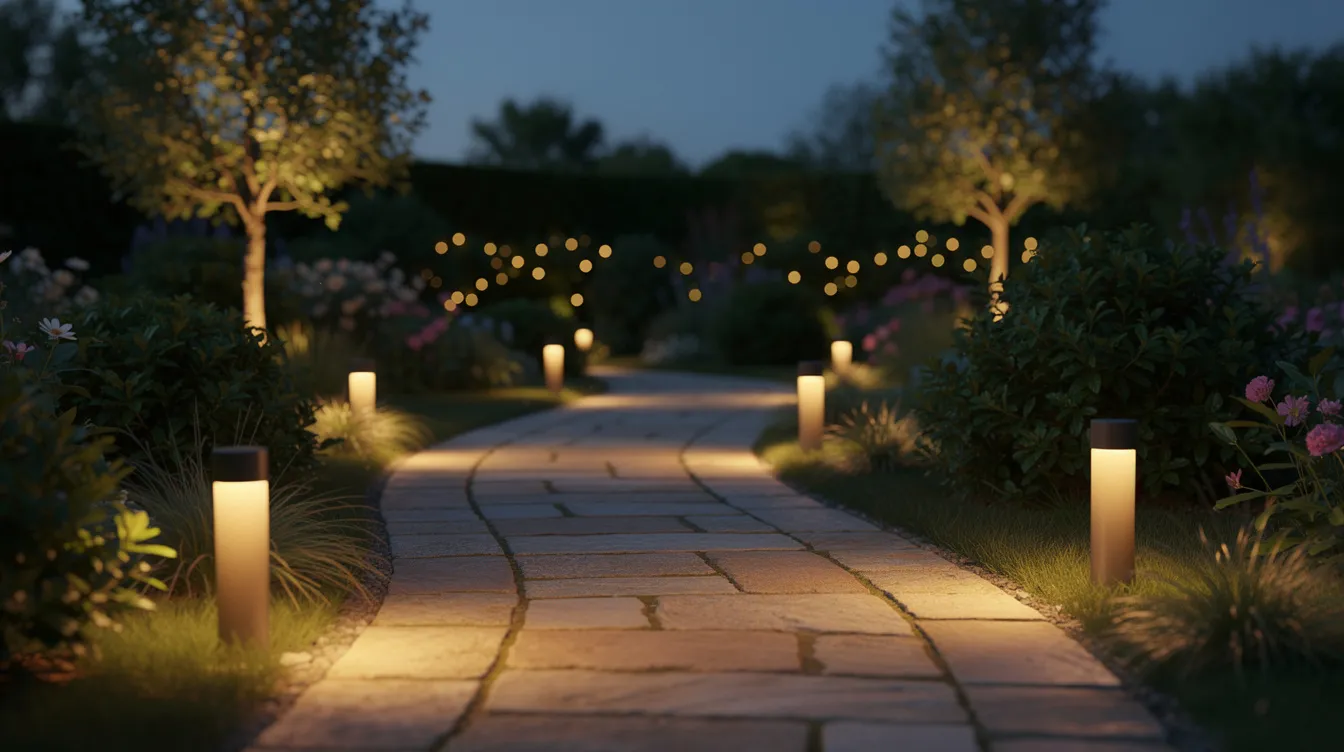
Landscape lighting creates the perfect foundation for enjoying your outdoor space long after the sun goes down. We work with you to thoughtfully position lights that transform your garden, patios, and retaining walls into welcoming features that draw you outside every evening. By highlighting the elements you love most—stone walls, water features, or pathways—lighting brings depth, safety, and genuine beauty to your landscape, giving you confidence in your investment and clarity about what’s possible.
When we plan your landscape lighting together, our focus stays on energy-efficient, durable fixtures that handle our local climate while delivering reliable performance you can count on. Safety naturally becomes our top priority: well-lit walkways and patios keep your family and guests secure while making your outdoor space truly accessible. Our completed landscape project gallery shows how thoughtful lighting design can transform outdoor spaces. With the right lighting partnership, we enhance both the beauty and functionality of your landscape, creating a space that feels practical and inspiring every single evening.
Bringing Your Project Plans to Life
A well-executed installation enhances daily life: morning coffee on the patio, safe evening pathways for your family, and shaded play areas or garden spaces that inspire enjoyment year-round. Property value often increases 10-20% when outdoor spaces are clearly defined and low-maintenance, especially when designed and maintained by affordable landscaping designers in Laveen, AZ.
Seasonal Maintenance Tasks
Schedule regular maintenance tasks—seasonal pruning, mulch refresh every two years, irrigation checks—to keep your landscape vibrant and functional for decades.
Tips for a Successful Landscape Installation
-
Set a realistic budget with 10-15% contingency for surprises like hidden roots or soil issues
-
Choose durable materials: concrete pavers outlast plain gravel, metal edging outperforms plastic in high-sun areas
-
Develop water-wise principles by grouping plants by water needs and selecting drought-tolerant or native species
-
Focus on one area first—the front entry or main patio zone—then expand as time and budget allow
-
Don’t forget fertilizing and maintaining your new landscape to enhance longevity and beauty
Maintenance and Upkeep
We partner with you to keep your outdoor space thriving year after year through a thoughtful maintenance approach that feels stress-free and collaborative. Our local expertise guides us in timing essential care like weed management, soil health, and strategic fertilization — practical solutions that prevent issues before they start, keeping your landscape healthy and vibrant. We stay attentive to your irrigation needs and regularly inspect hardscape features like patios and retaining walls, catching small concerns early so you can feel confident about your investment.
Seasonal Maintenance Tasks
This consistent, expert care doesn’t just preserve the beauty of your outdoor environment — it builds lasting value that you can count on. As your trusted local partner, we provide seasonal guidance and specialized treatments designed specifically for our climate and your lifestyle. When you invest in our maintenance approach, you’re choosing a smooth, collaborative experience that delivers a lush, welcoming space built to last and made to enjoy for years to come.
Frequently Asked Questions
How long does a typical residential landscape installation take?
Small projects like a new walkway with beds and lighting often take 3-7 working days. Full-yard renovations with patios, walls, and extensive planting range from 2-6 weeks depending on size, weather, and crew availability. Clients should plan for weather delays adding 20-50% to timelines.
What season is best to install a new landscape?
Hardscape can be installed any time the ground is workable (above 40°F). Planting is best in spring (March-May) or fall (September-November) when moderate temperatures and rainfall help new roots establish—achieving up to 70-90% survival rates.
Do I need permits for my landscape installation?
Simple planting and small paths typically don’t require permits. Structures like decks over 30 inches, retaining walls over 4 feet, gas fire pits, and major electrical work often do. Visit your local building department before starting any project.
How much should I budget per square foot for a new landscape?
Basic planting and mulch may start around $3-8 per square foot, while projects with patios, walls, and lighting range $20-60+ per square foot. Regional variations can shift costs 50% higher in coastal areas. Comprehensive landscaping FAQs covering design, installation, and budgeting can help you refine expectations, and landscaping services can provide detailed estimates for your specific property.
Can I install part of the landscape myself and hire professionals for the rest?
Many homeowners successfully combine DIY tasks—demolition, basic planting, mulching—with professional installation for structural components, gas and electrical work, and complex grading. Plan this division clearly from the start, as approximately 60% of customers take this hybrid approach to save 30-40% on labor costs.
